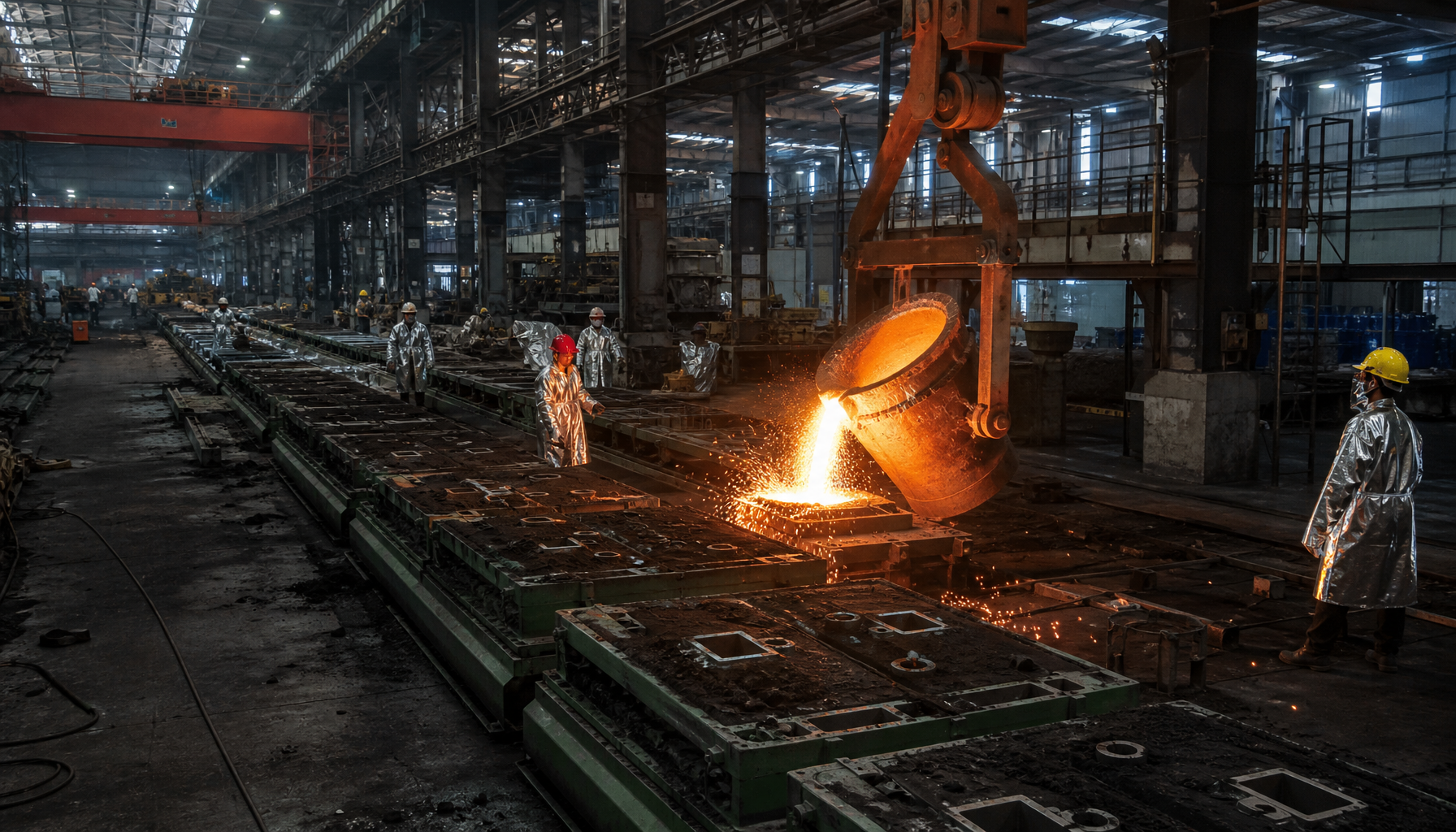
Roughly 52 million metric tons. That's how much metal Chinese foundries poured in the most recent full year of data published by the China Foundry Association — somewhere around 45% of global casting output. Somewhere between 8% and 12% of that tonnage lands in commercial vehicles: cylinder blocks, axle housings, brake drums, flywheel housings, spring brackets, wheel hubs.
Those numbers get quoted in every sourcing deck you'll ever sit through. They're true, and they're also useless on their own.
What matters to you isn't the national total. It's the spread. China has somewhere north of 20,000 foundries, of which roughly 17,000 are "above designated scale" — the government's classification for plants with annual revenue above about 20 million RMB. Translation: the other 3,000+ are small shops you probably don't want touching a safety-critical brake drum. And even within the 17,000, the quality gap between the top 5% and the median is enormous.
So here's the useful version of the data: where the capacity actually sits, what each truck component should cost per kilo, and the eight things to verify before you wire a deposit.
China Casting Output by Region: Where Truck Casting Capacity Actually Sits
National output figures are a starting point. Cluster data is what you can act on. Truck castings don't come from everywhere in China; they concentrate in a handful of regions with deep supplier ecosystems, established logistics, and workers who've been pouring iron for twenty years.
| Cluster | Province | Strength | What to know |
|---|---|---|---|
| Weifang / Qingdao | Shandong | Ductile iron, engine and axle parts | Largest concentration in the country; deep machining ecosystem |
| Botou | Hebei | Gray iron, brake drums, hubs | Known as a casting town; 1,000+ small shops, wide quality spread |
| Linzhou | Henan | Ductile iron, axle and suspension | Strong on heavy truck chassis components |
| Wuxi / Changzhou | Jiangsu | Precision and investment casting | Better machining capability, higher cost base |
| Ningbo | Zhejiang | Aluminum die casting, brackets | Strong for housings, covers, non-ferrous brackets |
| Shiyan | Hubei | Commercial vehicle castings | Sits next to a major truck OEM; supplier base is mature |
| Linyi / Houma | Shanxi | Heavy ductile iron parts | Lower labor cost, good for larger castings |
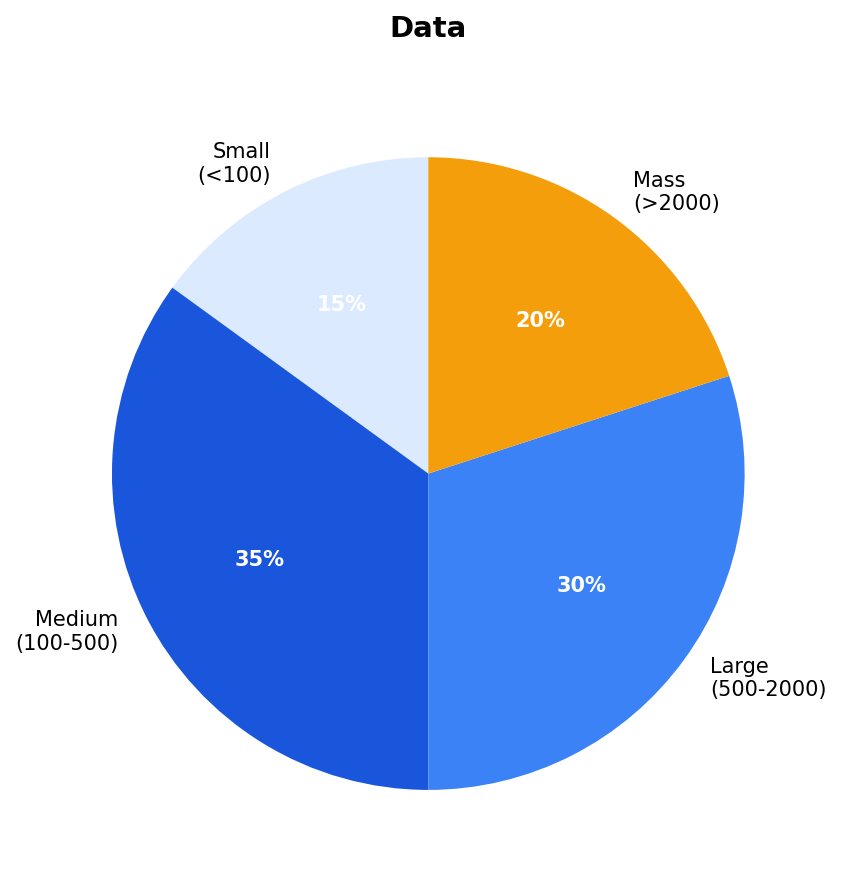
Why the cluster matters more than the company name: a foundry's real capability is partly its own equipment and partly the ecosystem around it. A plant in Shandong can call three heat treatment shops, two NDT labs, and a machining vendor within 40 kilometers. A plant in a thin cluster often can't, and the gaps show up as delays, outsourced dimensional work with no traceability, and inconsistent quality between lots. We mapped the full supplier geography in our guide to China's casting clusters if you want to plan a visit route.
One caveat on those regional percentages. Precise provincial breakdowns aren't published consistently year to year, and different sources slice the data differently — by tonnage, by revenue, by enterprise count. Treat the split as directional, not exact. The ranking of the top four clusters has been stable for years; the decimal places have not.
Truck Casting Parts, Materials, and Standards: What You're Actually Buying
"Truck castings" is too broad a term to quote. A brake drum and a cylinder head are different businesses with different tooling, different defect modes, and different failure consequences. Here's the component map with the standards you should be specifying.
| Component | Typical material | Weight range | Key standard | Main failure mode to watch |
|---|---|---|---|---|
| Cylinder block | Gray iron, Class 35/40 | 180–260 kg | ASTM A48 / SAE J431 G3000 | Porosity, water jacket leaks |
| Cylinder head | Gray iron, CGI | 60–90 kg | SAE J431 | Thermal fatigue, seat hardness |
| Flywheel housing | Gray iron | 30–60 kg | ASTM A48 Class 30 | Flatness, bore runout |
| Axle housing | Ductile iron 65-45-12 | 90–150 kg | ASTM A536 / ISO 1083 | Nodularity, internal shrinkage |
| Differential carrier | Ductile iron 65-45-12 | 40–80 kg | ASTM A536 | Porosity in bearing bosses |
| Brake drum | High-carbon gray iron | 40–65 kg | SAE J431 G3000/G3500 | Thermal cracking, balance |
| Wheel hub | Ductile iron 65-45-12 | 25–45 kg | ASTM A536 | Shrinkage at the flange |
| Spring bracket / hanger | Ductile iron 60-40-18 | 8–25 kg | ASTM A536 | Fatigue cracking |
| Transmission housing | Gray iron or aluminum | 40–80 kg | ASTM A48 / A356-T6 | Porosity, mating face flatness |
| Exhaust manifold | SiMo ductile iron | 15–35 kg | ASTM A536 / SiMo 4.05 | Thermal cracking at the collector |
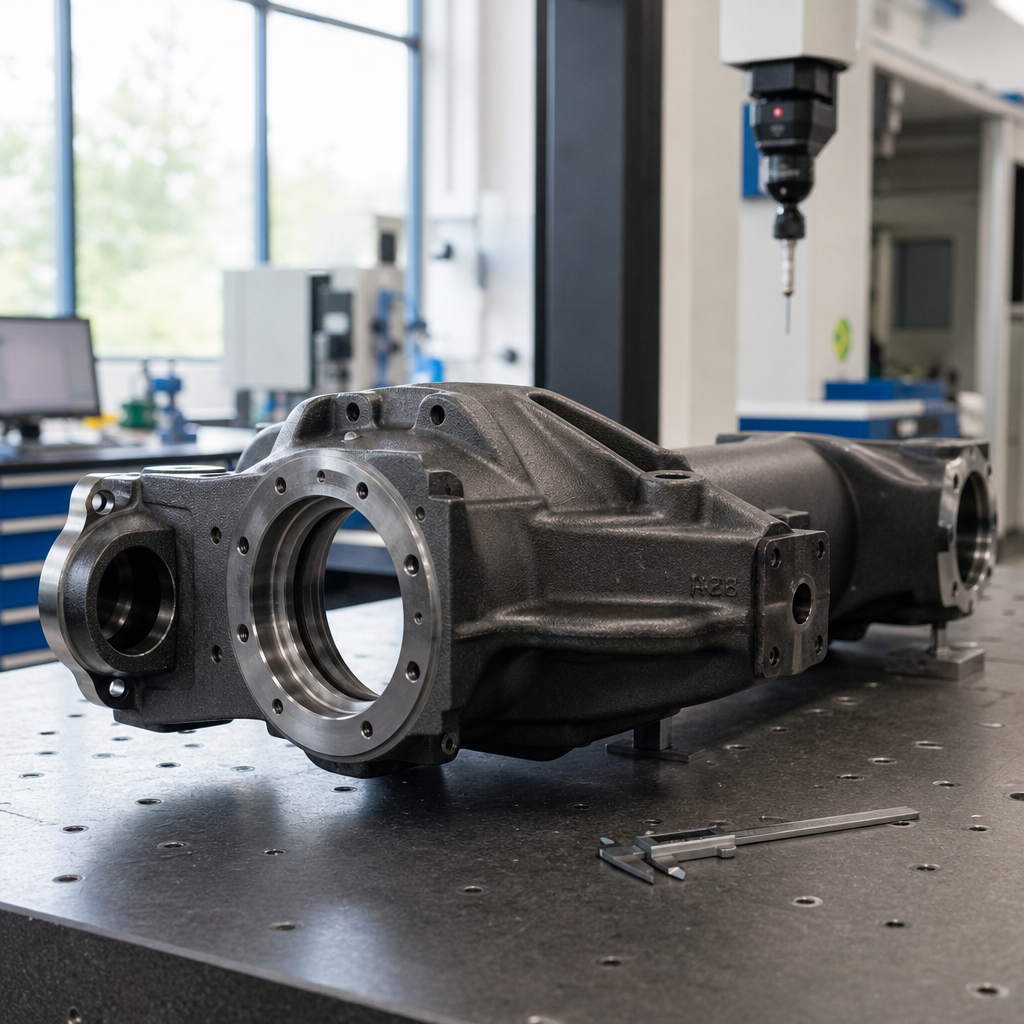
Two things trip up first-time buyers here. First, gray iron and ductile iron are not interchangeable, and the price gap between them is real — roughly 20% to 40% depending on grade. If your drawing says "cast iron" with no grade specified, you will get whichever is cheaper to pour, and it will pass a visual inspection. We broke the full comparison down in Gray Iron vs Ductile Iron for Truck Parts. Second, for ductile iron, the nodularity percentage is the number that decides whether the part performs. ASTM A536 requires 80% minimum nodularity for most commercial grades; a supplier who can't show you a metallographic report per heat is guessing. If your drawings are metric, ISO 1083 grades map closely to A536 — see ASTM A536 Explained for Buyers for the grade-by-grade translation.
China Truck Casting Price per Kg — and Your Real Landed Cost
Quotes out of Chinese foundries commonly land in these bands, as of late 2026. These are FOB Ningbo or Qingdao, for production volumes, excluding tooling:
| Material / process | Typical FOB price | Notes |
|---|---|---|
| Gray iron, as-cast | $0.95 – $1.60 / kg | Class 30–35; drums, housings, covers |
| Ductile iron, as-cast | $1.15 – $2.20 / kg | 65-45-12 typical; price rises with section thickness and NDT class |
| Machining add-on | +$0.60 – $2.50 / kg | Depends on tolerance, number of faces, cycle time |
| Heat treatment | +$0.10 – $0.35 / kg | Normalizing, stress relief, Q&T |
| Tooling (sand casting) | $2,500 – $18,000 | One-time; pattern + core boxes; higher for complex core assemblies |
| Ocean freight + insurance | $0.08 – $0.20 / kg | Heavy castings ship better than they look; watch for rust |
Now run a worked example. A 120 kg ductile iron axle housing, machined, at $1.60/kg FOB with $85 of machining:
FOB value: $192 + $85 = $277
Ocean freight & insurance: $28
Section 301 tariff at 25% on $277: $69
Customs clearance & inland drayage: $25
Landed cost: approximately $399 per unit
Compare that to a domestic quote — for a comparable ductile iron axle housing with machining, US foundries typically land somewhere in the $520 to $680 range depending on volume and whether tooling already exists. So the real savings are in the 25% to 40% band, not the 60% you might assume from glancing at the FOB number.
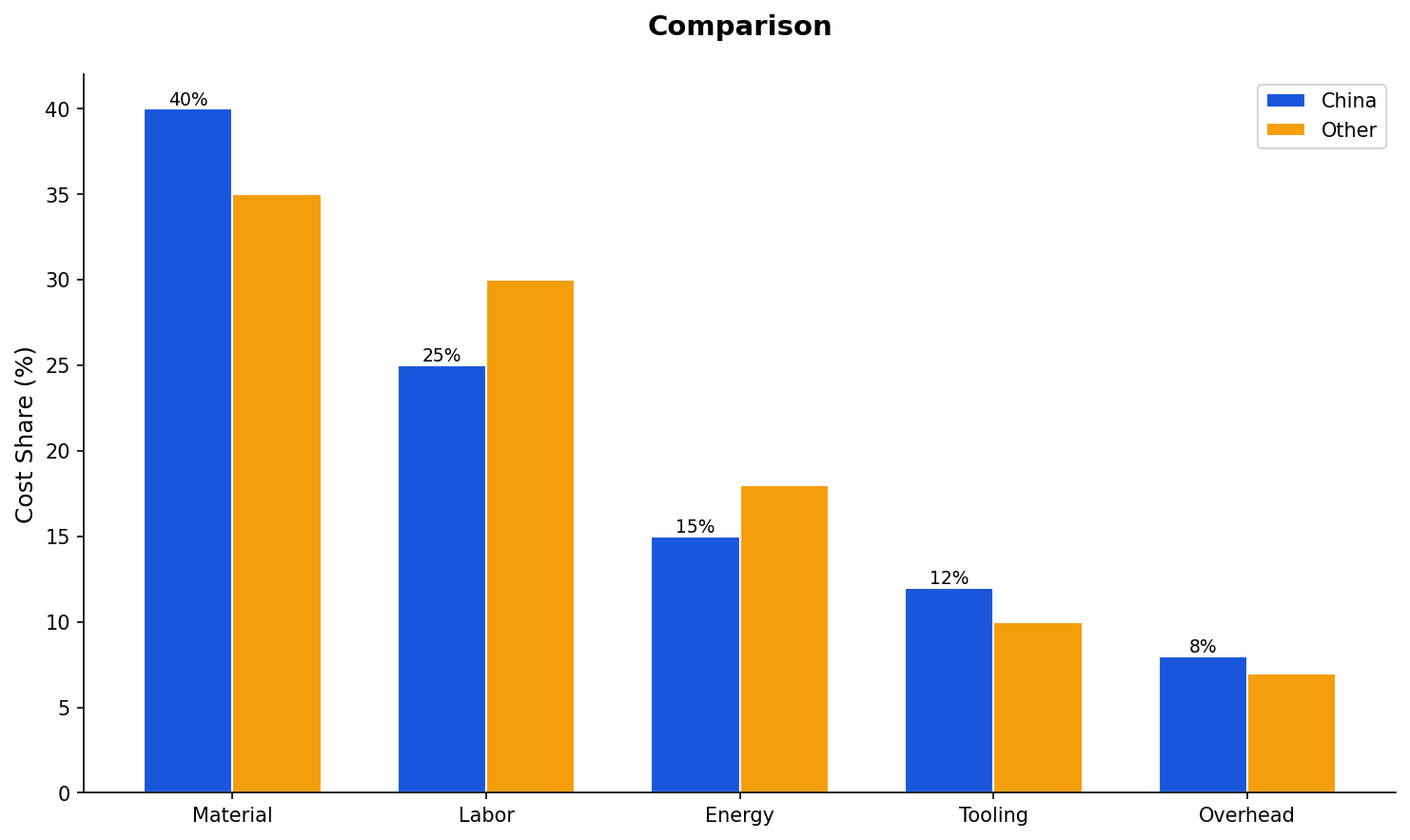
Two pricing traps worth naming directly. First, tariff codes are not uniform. Some castings fall under Section 301 at 25%; certain cast iron articles have also been subject to antidumping and countervailing duty orders, and those rates can be severe — see Section 301 Tariffs on Castings for the current picture. The status changes. Before you price an order, run the HTS code and the AD/CVD case number past a customs broker who does this weekly. A quote that ignores duty isn't a low quote, it's an incomplete one.
Second, as-cast versus machined changes the comparison completely. A foundry quoting you as-cast parts is quoting you a casting; you still need a machine shop. If you're buying from a plant with no in-house machining, you've added a second supplier, a second set of tolerances, and a second point of failure for dimensional issues.
Trading Company vs Casting Factory: How to Tell Them Apart
This is where most sourcing problems start. You'll get inquiries from companies with "Casting" in the name that have never lit a furnace. They're trading companies with a website, a WeChat account, and a portfolio of photos borrowed from actual plants.
There are three tiers you'll run into:
- Trading company. No melting capacity, no molding line, no machining. They take your RFQ, shop it to two or three foundries, add margin, and forward whatever comes back. Quality is whatever the cheapest plant they called that week produced. Traceability usually doesn't exist.
- Casting-only plant. Real furnaces, real molding lines, no machining. Dimensional work is outsourced. This can work if you control the downstream shop yourself — but if the foundry manages it, you've lost visibility on the critical tolerance stack.
- Foundry plus in-house machining. Melting, molding, heat treatment, CNC, and CMM under one roof, with a heat-lot-to-part-number traceability chain. This is what you want for axle housings, brake components, and anything safety-adjacent.
How to tell them apart in under an hour:
- Ask for the business license and read the registered scope. A trading company's scope says "sales of metal products." A foundry's says "production of castings."
- Ask for the furnace list with tonnage and count. Then ask for a photo of the furnace control panel with the current heat number visible.
- Ask which NDT and metallurgical testing is done in-house versus outsourced. If the UT report header carries a third-party lab name, that's fine — but you want to know which it is.
- Request a live video walkthrough during a working shift. Not a recorded promo. Say "walk to the pouring line" and watch how long it takes them to get there.
- Ask for the scrap rate by part number over the last six months. A plant that can't produce that number doesn't track it.
If a supplier dodges the live video request twice, that's your answer. Doesn't matter what the price is.
The 8-Point China Truck Casting Factory Verification Checklist
Run this against every plant on your shortlist before you commit to tooling. It takes a day if you're efficient, and it saves months.
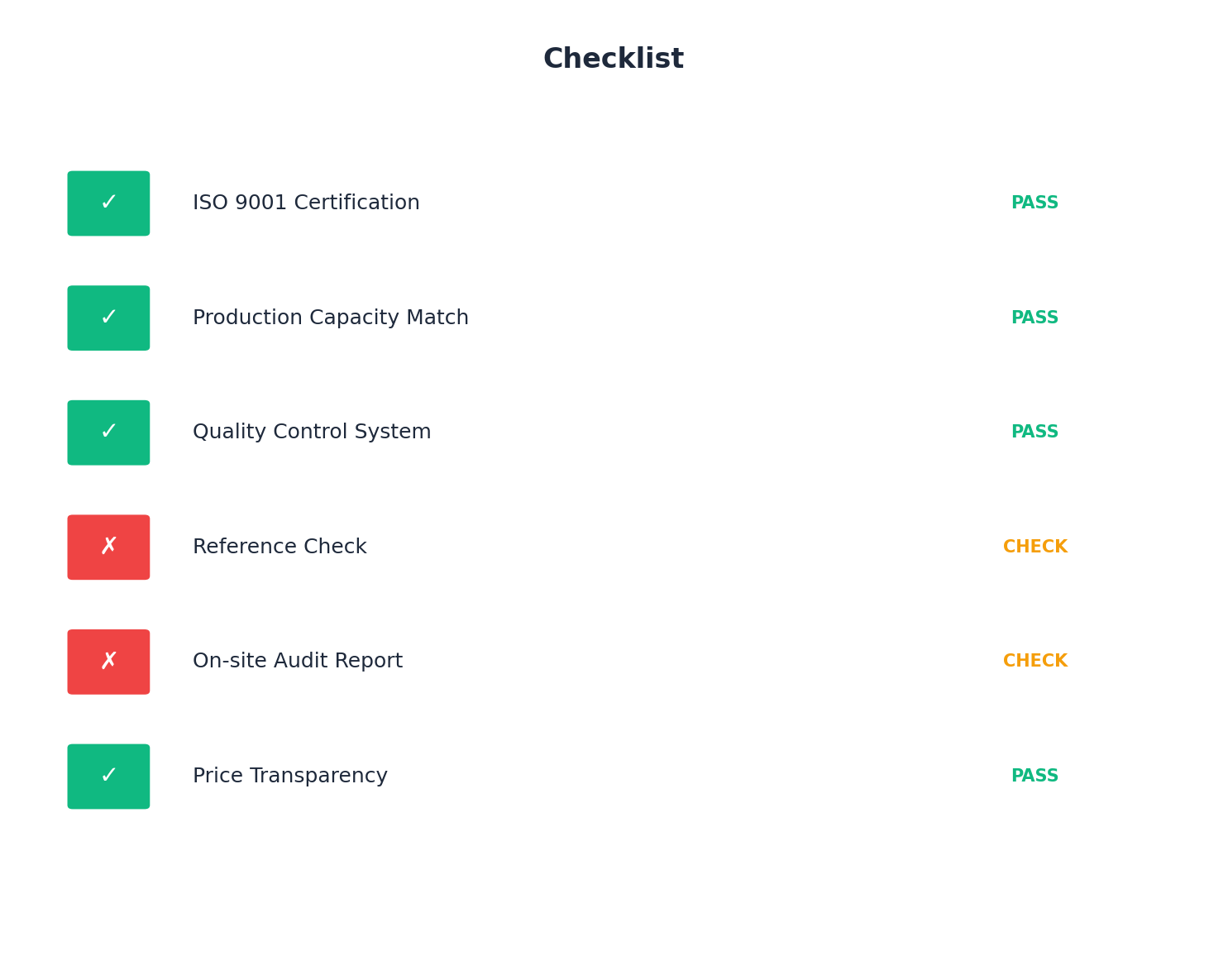
- Melting capacity and furnace count. Match furnace tonnage against your annual volume. A plant with one 3-ton induction furnace cannot sustain a 500-unit-per-month program without help.
- Nodularity verification per heat. For ductile iron, ask to see the metallographic report for three recent heats, including the nodule count and the etch photos. Not a summary sheet — the actual micrograph.
- Heat treatment records. Furnace temperature curves with timestamps and batch numbers. If they can't produce a chart, they're not recording it.
- In-house machining and CMM. Walk the machine shop. Count the CNC centers capable of handling your part envelope. Ask who programs them and how dimensional deviations get reported back to the molding line.
- Heat-lot traceability. Pick a finished part off the floor, ask for the heat number stamped on it, and trace back to the chemistry report. If this takes more than 30 minutes, the system is decorative.
- First article and PPAP plan. Ask for their standard FAI process in writing. Full-dimensional report, material cert, capability study on critical characteristics. A plant unfamiliar with PPAP documentation is a plant that has only served domestic aftermarket customers.
- Scrap rate and escape history. Ask for scrap percentage by part and for any customer returns in the past two years. Everyone has some. A supplier who claims zero is lying.
- Export and customs track record. Ask for the customs declaration numbers from three recent export shipments, or the bills of lading. This tells you whether they've actually shipped internationally or just claim to.
Castings Certifications: IATF 16949, ISO 9001, and How to Verify Them
Certificates are the easiest thing to fake in a sourcing conversation, and the easiest to verify if you know where to look.
| Certificate | Why it matters | How to verify |
|---|---|---|
| IATF 16949 | Baseline requirement for automotive and commercial vehicle tier supply | Look up the certificate number in the IATF database; confirm the scope covers your process |
| ISO 9001 | General quality baseline; weaker than IATF | Verify with the issuing certification body, not the supplier's PDF |
| ISO 14001 / ISO 45001 | Environmental and safety management; a proxy for plant discipline | Same database check; look for expiry dates |
| PED 2014/68/EU | Required for pressure-bearing components into the EU | Check the notified body's list of approved manufacturers |
| AD 2000-Merkblatt W0 | German pressure equipment standard; strict material traceability | Confirm the specific material group is covered |
The scope line on an IATF certificate is where the interesting information lives. A plant can hold IATF 16949 for stamping and not for casting. Read the scope. If it says "machining of purchased castings," you're looking at a machine shop, not a foundry.
Also check the certificate expiry date. Expired certificates get screenshotted and passed around for years.
Documents to Demand Before Production Starts
Get these in the contract, not in a follow-up email.
- Material certificate per heat lot — chemistry, mechanical properties, and the standard it's certified against.
- Metallographic report for ductile iron — nodularity percentage, nodule count, graphite form.
- Ultrasonic testing report referenced to ASTM A609 or your specified acceptance level. Vague "UT passed" language is worthless; you need the severity class.
- Hardness survey across the part, not a single reading from the easiest spot on the casting.
- Full dimensional report (FAI) with ballooned drawing, actual values, and pass/fail against tolerance.
- PPAP Level 3 submission if you're supplying a vehicle manufacturer or a tier above you.
- Heat treatment chart with batch number, temperature curve, and the operator's record.
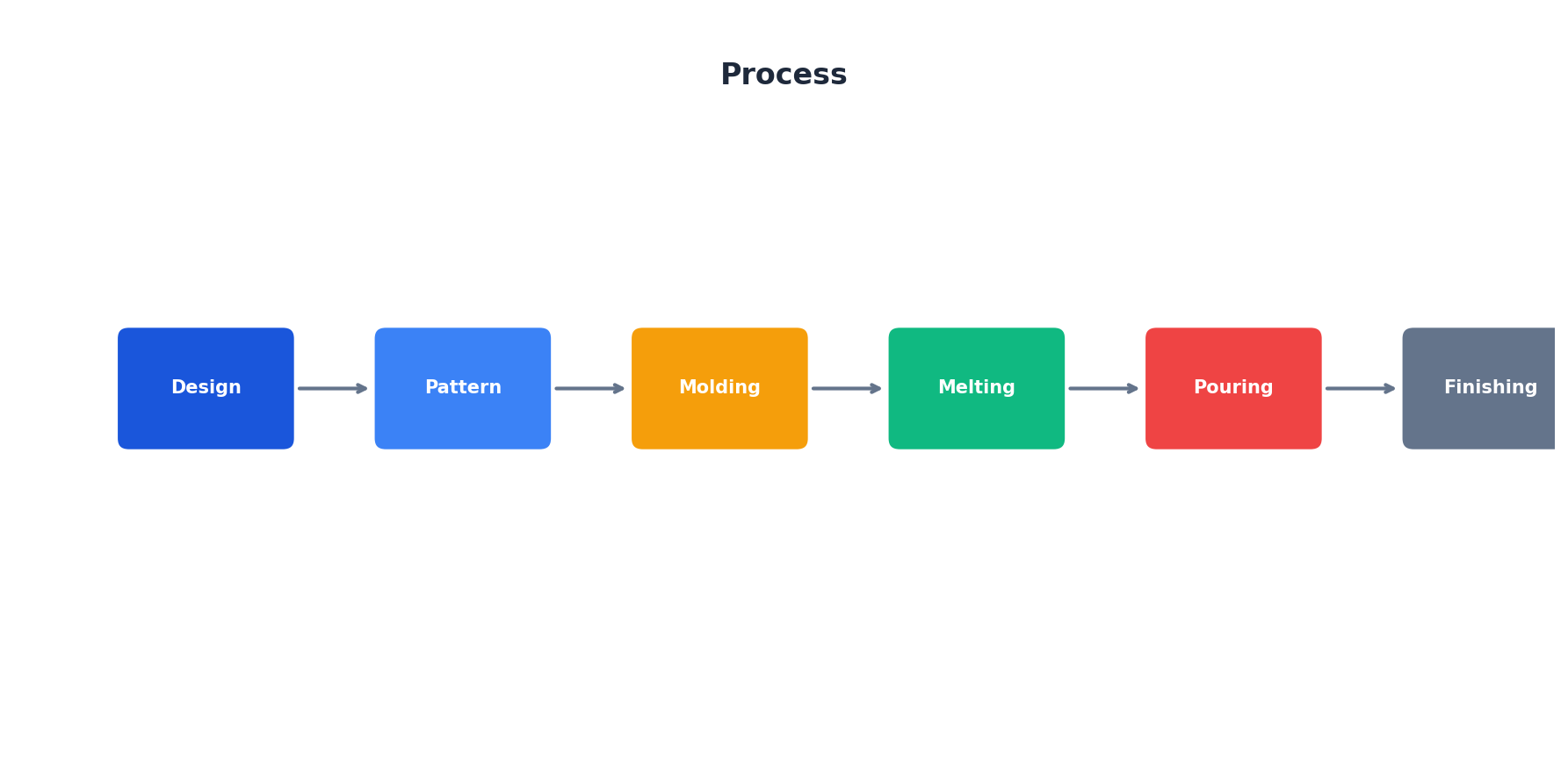
One more: for safety-critical parts such as brake drums and steering knuckles, consider specifying 100% X-ray or 100% magnetic particle inspection for the first three production lots, then stepping down to sampling once capability is demonstrated. It costs more per unit up front. It costs far less than a recall.
Common Mistakes Buyers Make Sourcing Truck Castings in China
Most of these come up in the same order, every time.
- Quoting only one supplier. Casting prices for the same part vary by 30% or more between plants in the same province. Three quotes minimum, and get one from outside your default cluster.
- Comparing FOB prices. Compare landed cost with duties. The cheaper FOB quote often loses once tariff classification is applied correctly.
- Accepting a trading company as a factory. Covered above, but it's the single most expensive mistake on this list.
- Skipping first article inspection. "The sample looked fine" is not inspection. Get the CMM report on the first article before tooling is released for production.
- Ignoring AD/CVD status. A 25% Section 301 tariff is a budget line. A 200%+ antidumping rate is a business-ending surprise. Check the case status before you commit volume.
- Specifying "UT passed" with no acceptance level. Every foundry will pass under its own definition. Write the ASTM A609 severity class into the purchase order.
- Forgetting packaging. Iron castings rust on a 35-day ocean voyage. Specify VCI wrap, desiccant, and seaworthy crating for machined surfaces. Rust claims are common and entirely avoidable.
Frequently Asked Questions
What's the typical MOQ for truck castings from China?
For sand castings using existing tooling, most plants will run 100 to 300 pieces as a minimum lot. If new tooling is required, expect the first order to absorb tooling amortization — usually 300 to 500 pieces for a mid-size axle housing or brake drum. Below that, the tooling cost per unit gets ugly fast.
How long does tooling and first article approval take?
Pattern and core box manufacturing runs 25 to 45 days for sand casting, longer for complex core assemblies. First article castings plus machining and CMM inspection add another 20 to 35 days. Budget 8 to 11 weeks from deposit to an approved FAI, and add two weeks if you're specifying special NDT.
Which standard should I put on the drawing?
For ductile iron truck components, ASTM A536 Grade 65-45-12 covers most axle housings and differential carriers. Heavier applications may call for Grade 80-55-06. For gray iron engine and brake parts, ASTM A48 Class 35 or SAE J431 G3000 is standard. If your drawings are metric, ISO 1083 maps closely to A536 and most Chinese foundries work in both systems daily.
Are Chinese truck castings subject to tariffs?
Most iron and steel castings from China fall under Section 301 tariffs, which have held at 25% for these categories. Certain cast iron articles have also been subject to antidumping and countervailing duty orders. Rates and case status change, so verify the specific HTS code with a customs broker before you price the deal. Don't rely on a tariff number you found in a forum post.
Can I visit before placing an order?
Yes, and it's worth the trip. If travel isn't practical, request a live video walkthrough of the melting, molding, and machining areas during a working shift. Ask to see the pouring floor while metal is flowing. A promotional video shot at 6 a.m. in an empty plant tells you nothing.
Next Steps
Here's the short version. China holds roughly 45% of global casting capacity, and truck components are a meaningful slice of it. The suppliers who can actually execute on axle housings, brake drums, and drivetrain castings are concentrated in a handful of clusters — Shandong, Hebei, Henan, Jiangsu, Hubei. The price advantage is real but closer to 25–40% than the numbers suggest at first glance, because freight and duty eat a chunk of it.
The plants worth your deposit are the ones that can produce a heat-lot chemistry report, a nodularity micrograph, a UT report with a severity class, and a live video walkthrough of a running pouring line. Everything else is a conversation.
Run the eight-point checklist against every supplier on your shortlist. The ones that pass all eight are the only ones worth a tooling commitment. And if a quote looks dramatically cheaper than the other three, that's not a deal — that's a clue.
Before You Send a Deposit
Get the 8-point supplier verification checklist and a landed-cost calculator you can run against any quote — including duty and freight, not just FOB.
Download the Audit Checklist Open the Landed Cost Calculator