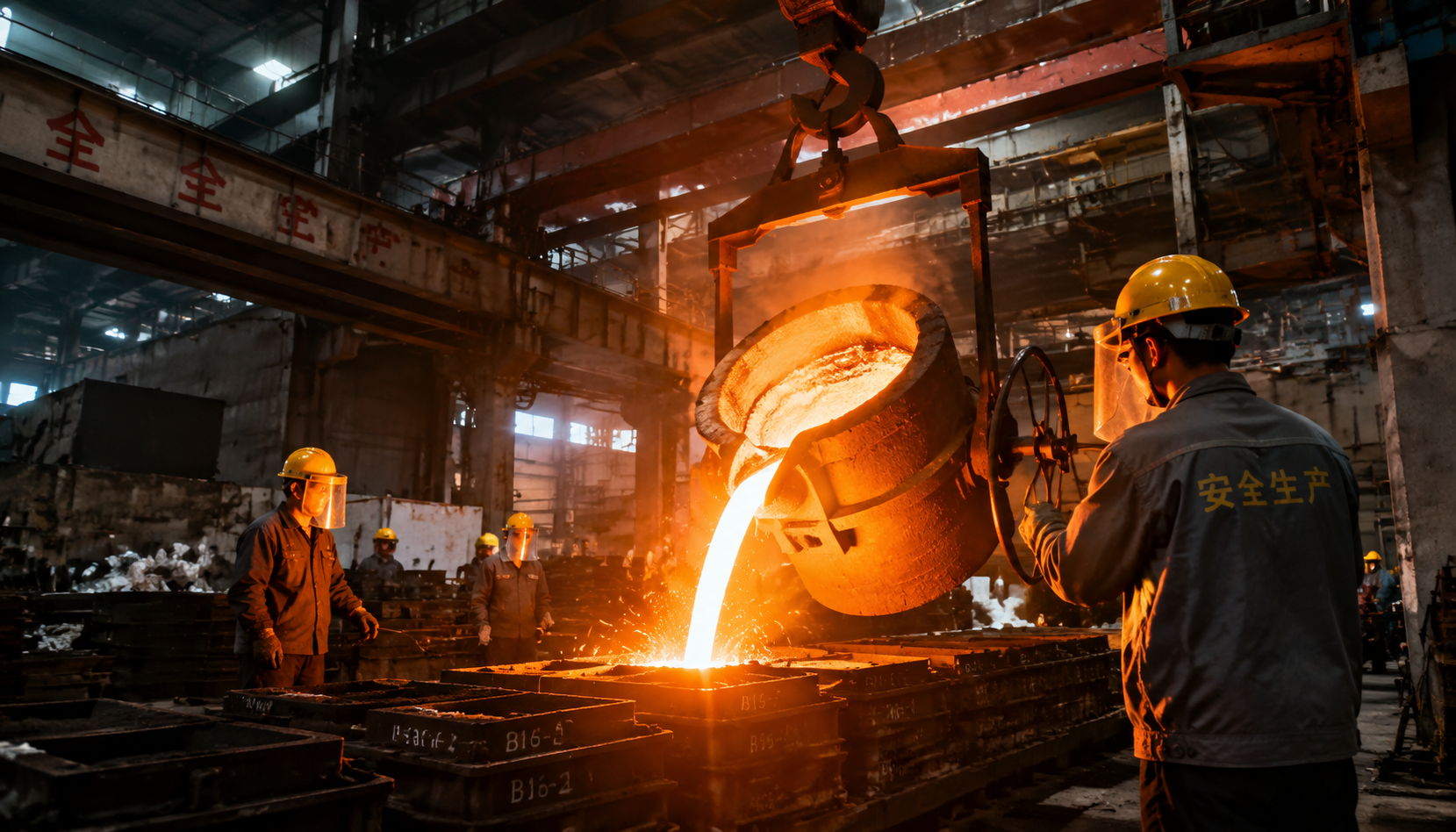
ASTM Casting Standards: The $47,000 Lesson I Learned the Hard Way
2019年,我签了一个20吨的灰铁铸件订单。供应商说了一句"按ASTM标准生产"。我信了。没要求文件。没安排检测。连标准版本号都没确认。
结果呢?第一批货到港,第三方抽检发现抗拉强度只有ASTM A48 Class 30最低要求的75%。铸件内部有缩松,硬度从180到250 HB乱跳——同一批货,质量跟抽奖似的。全部不合格。退货、重新生产、延期交付、客户罚款。一笔$19,000的订单,硬生生赔成了$47,000。
教训很简单:"按ASTM标准生产"是供应商说的最便宜的一句话。验证合规,是你的工作。没人替你干。
这篇东西不是教科书式的标准解读。它是一份采购商视角的ASTM实操手册——告诉你哪些标准你必须知道、怎么验证供应商没糊弄你、以及哪些错误每年烧掉进口商几百万。
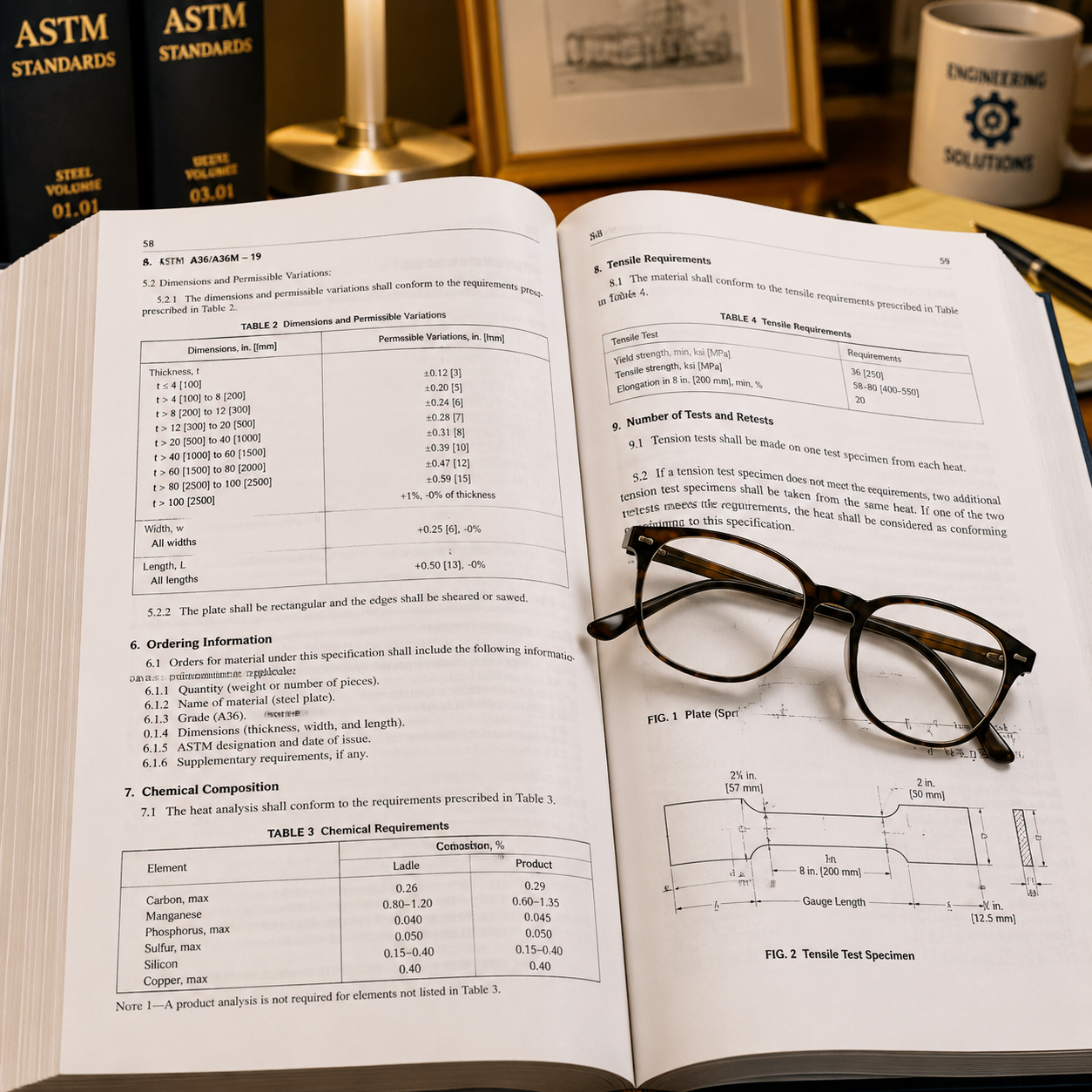
What Exactly Are ASTM Casting Standards?
ASTM(美国材料与试验协会)搞的标准,是北美铸件采购的通用语言。你写"灰铁铸件,质量要好"——供应商的理解跟你可能差八条街。但你写"ASTM A48/A48M-19 Class 35,抗拉强度≥35 ksi,硬度187-241 HB"——全世界任何一个合格的铸造厂都明白你要什么。
具体来说,ASTM铸造标准干了五件事:
- 化学成分:C、Si、Mn、P、S……每种元素的上限和下限
- 力学性能:抗拉强度、屈服强度、延伸率、硬度的最低要求
- 检测方法:试样怎么取、测试怎么做、设备怎么校准
- 验收规则:抽检比例、合格判定、复验程序
- 认证标识:铸件该打什么标记,MTR该写什么内容
采购商最容易误解的一件事:ASTM标准不是"质量保证书"。供应商符合ASTM A48不代表他的铸件就是好铸件——只代表他承诺的化学成分和力学性能在你指定的范围内。但你能不能拿到这个范围内,取决于你的验证力度。
再强调一遍:标准是消除歧义的,不是消除风险的。风险靠你去管。
The 4 ASTM Standards You'll Deal With Most Often
ASTM有上百个铸造相关标准,但作为采购商,你90%的订单逃不出这4个。我按使用频率排的:
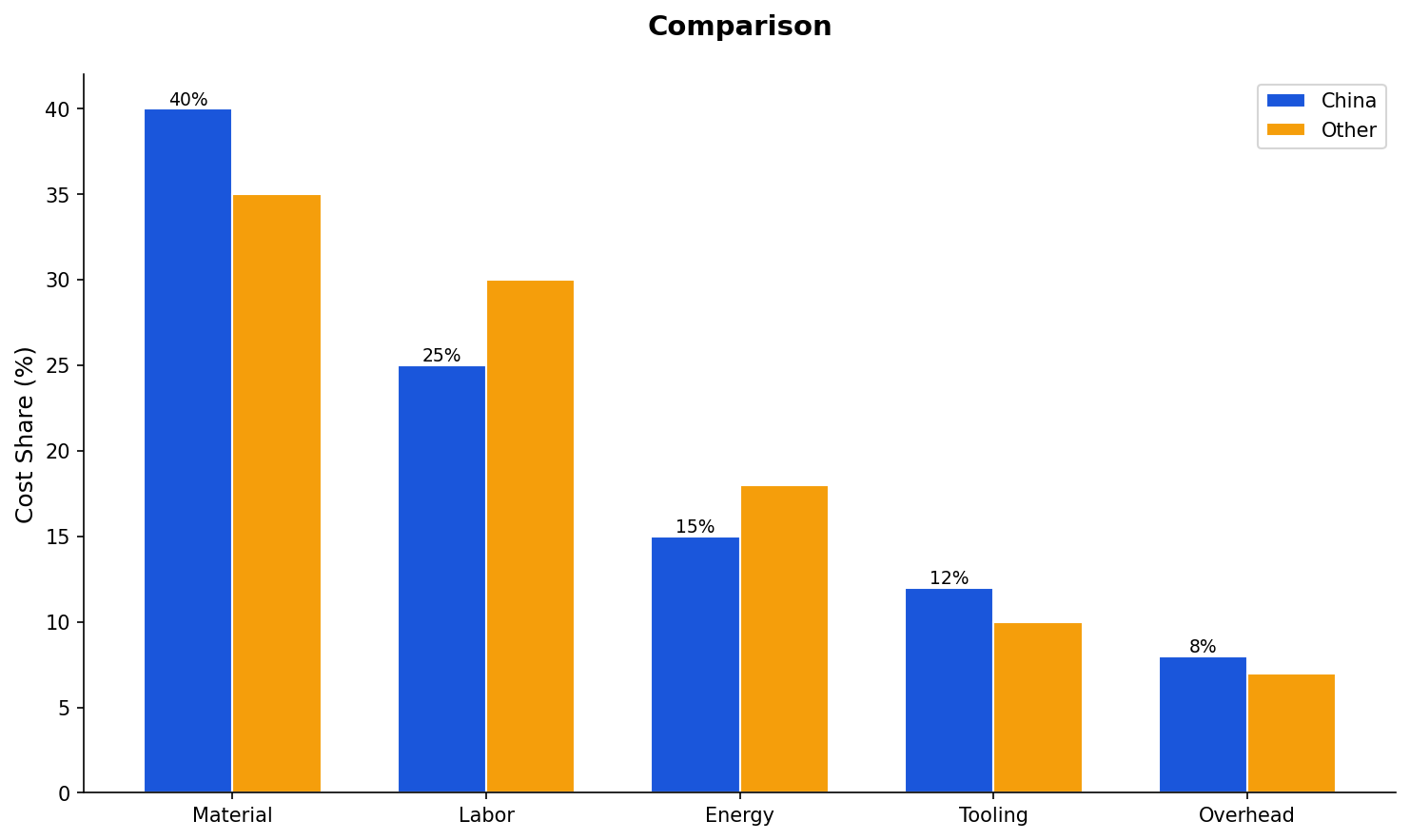
1. ASTM A48 / A48M — Gray Iron Castings
灰铁标准,没有之一。按抗拉强度分Class 20到Class 60。数字就是最低抗拉强度(ksi)。
| Class | Min Tensile (ksi) | Typical Applications |
|---|---|---|
| 20B | 20 | Light-duty covers, counterweights |
| 25B | 25 | Small pump housings, decorative parts |
| 30B | 30 | Valve bodies, pump casings, general machinery |
| 35B | 35 | Gearboxes, machine tool bases, heavier housings |
| 40B | 40 | Hydraulic components, heavy-duty frames |
| 45B+ | 45+ | High-stress parts, wear-resistant applications |
你的关注点:Class 30和Class 35的铸件价格可能只差5-8%,但性能差15%。别为了省小钱选低等级,结果零件在设备里断了——省那5%不够赔一个零头。
2. ASTM A536 — Ductile Iron Castings
球墨铸铁的标准,比灰铁韧得多。分级方式不一样:三位数字分别是抗拉强度、屈服强度和延伸率(单位:ksi / ksi / %)。
- 60-40-18:延伸率18%,高韧性。管道、阀门、铁路零件用得最多
- 65-45-12:平衡型。通用机械零件、差速器壳
- 80-55-06:高强度。齿轮、曲轴、重载连杆
- 100-70-03:超高强度。延伸率只有3%,脆。重型结构件
你的关注点:第三个数字(延伸率)最容易忽略。80-55-06和80-55-03差在哪?差了3%的延伸率——但冲击性能可能差一倍。如果你的零件在寒冷环境工作,延伸率就是命。
3. ASTM A27 / A27M — Steel Castings for General Application
碳钢铸件标准。按Grade分:Grade 60-30、Grade 65-35、Grade 70-36、Grade 85-50……第一个数字是抗拉强度,第二个是屈服强度。
你的关注点:A27对热处理状态有明确要求。供应商说"按A27 Grade 70-36生产"——但退火和正火的力学性能差很多。合同里一定写清楚热处理状态。
4. ASTM B26 / B26M — Aluminum-Alloy Sand Castings
铝合金砂型铸件的标准。最常见的合金是A356.0(T6热处理后强度很好,延伸率也不错)。
你的关注点:铝合金铸件最容易出的问题是气孔和热裂。ASTM B26对铸造缺陷有明确的验收标准——但你需要自己在合同里引用。
How to Verify Your Supplier Actually Meets the Standard
这是全文最值钱的部分。我花$47,000买来的,你免费拿走。
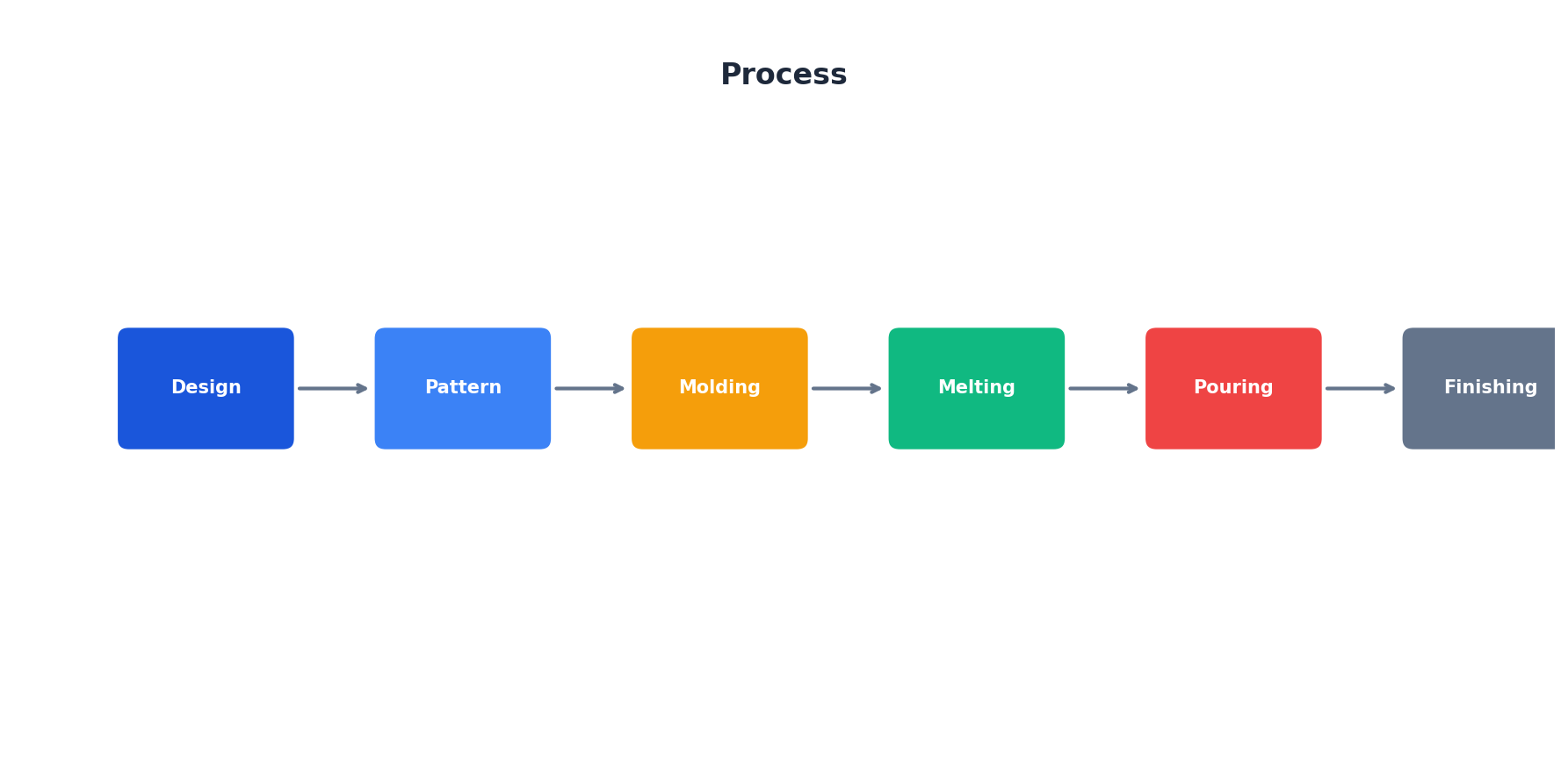
Step 1: 合同里写死,不留模糊
错误的写法:"按ASTM标准生产。"
正确的写法:"材料须符合ASTM A48/A48M-19 Class 35,抗拉强度≥35 ksi(241 MPa),硬度187-241 HB。每批须提供MTR,MTR上须标明该批次化学成分和力学性能实测值。"
版本号重要。ASTM A48在2019版调整了硬度范围,如果你引用的是2003版,要求和现在不一样。供应商可能拿过期标准糊弄你——我见过。
Step 2: MTR不是"要了就行",要"审"
MTR(Material Test Report)必须有:
- 该批次的炉号或批号
- 完整的化学成分(C、Si、Mn、P、S、Cu、Cr、Ni、Mo……按标准要求)
- 力学性能实测值(抗拉强度、屈服强度、延伸率、硬度)
- 对应的ASTM标准和等级
- 检测机构的名称、地址、资质(最好是A2LA或NADCAP认可的实验室)
红线:数据必须是"该批次的实际检测值"。我收到过一份MTR,数据漂亮得不行——后来发现是供应商拿去年的MTR改了日期。怎么发现的?炉号对不上。审MTR的时候一定核对炉号和生产日期。
Step 3: 第三方检测不能省
供应商的MTR是"自说自话",第三方检测是"交叉验证"。安排SGS、Bureau Veritas或TÜV在生产过程中和出货前抽检。费用大概是订单金额的1-3%——相比$47,000的损失,这点钱算什么?
重点检测三样:
- 化学成分:直读光谱仪(OES)打一下,几分钟出结果
- 力学性能:拉伸测试和硬度测试,看是否在标准范围内
- 金相组织:球铁的球化率、灰铁的石墨形态——这决定了材料的真实性能
Step 4: 工厂审核——看设备、看记录、看人
如果订单超过$50,000,我建议你亲自跑一趟工厂。看三样东西:
- 检测设备:光谱仪是哪个牌子的?有没有年检记录?万能试验机的传感器最后一次校准是什么时候?
- QC记录:从炉前控制(每炉的化学成分记录)到最终检验(每批的力学性能测试),每一步有没有数据?数据能不能追溯到具体操作人?
- 人员资质:质检员懂不懂ASTM标准?你问一句"Class 35的最低抗拉强度是多少",他能不能立刻答出来?答不出来的,就是糊弄。
4 Common Mistakes That'll Cost You (Like They Cost Me)
Mistake 1: 信口头承诺,不看文件
"我们做ASTM标准20年了。"——这句话我听过无数次。没有MTR、没有第三方报告、没有书面质量计划,这就是空气。$47,000买的教训:文件比话值钱。
Mistake 2: 搞混Class和Grade
ASTM A48用Class(Class 30),ASTM A536用Grade(80-55-06)。有人在合同里写"ASTM A48 Grade 30"——这是错的,ASTM A48没有Grade这个概念。写错标准引用,供应商可以拒绝执行。
Mistake 3: 不写标准版本号
"ASTM A48 Class 35"和"ASTM A48/A48M-19 Class 35"的区别,可能就是一批合格铸件和一批不合格铸件的区别。版本号不是细节,是条款。
Mistake 4: 为了省检测费,不请第三方
第三方检测费用大概$500-$2,000一批(取决于检测项目)。不请第三方,你可能省了$2,000,但一批不合格铸件到港后,退运、重做、延期、罚款——损失可能是$20,000起步。检测费是保险,不是成本。
ASTM vs. ISO vs. EN: Quick Comparison
简单说:ASTM美国标准,ISO国际标准,EN欧洲标准。很多是"等效"的,但不是"等同"的。
| Material | ASTM | ISO | EN | Key Difference |
|---|---|---|---|---|
| Gray Iron | A48 | 185 | 1561 | 分级方式不同,检测方法有差异 |
| Ductile Iron | A536 | 1083 | 1563 | 等级命名不同,性能要求类似但不完全相同 |
| Carbon Steel | A27 | 3755 | 10213 | 化学成分范围有差异 |
| Aluminum | B26 | 3522 | 1706 | 合金编号体系完全不同 |
建议:出口北美用ASTM,出口欧洲用EN,全球通用用ISO。但一个合同里只写一个标准体系——混着写等于找麻烦。
FAQ
What is the difference between ASTM A48 and A536?
ASTM A48 covers gray iron castings classified by tensile strength (Class 20 to Class 60). ASTM A536 covers ductile iron castings classified by a combination of tensile strength, yield strength, and elongation (grades 60-40-18, 65-45-12, 80-55-06, etc.). Ductile iron has significantly higher elongation and impact resistance. If your part experiences shock loading or needs to bend before breaking, you want A536. If it's a static housing or frame, A48 is usually sufficient and cheaper.
Do Chinese foundries follow ASTM standards?
Many Chinese foundries are capable of producing to ASTM standards, but compliance varies widely. A foundry with ISO 9001 certification and a documented QC system is more likely to be reliable. You must request material test reports (MTRs) and, ideally, conduct third-party inspections. Some advanced foundries hold A2LA or NADCAP accreditation—those add an extra layer of confidence because those accreditations require rigorous third-party audits of their testing procedures. Don't take verbal claims at face value. I learned that the expensive way.
How do I verify a supplier's ASTM compliance?
1. Specify the exact ASTM standard and revision year in your contract (e.g., "ASTM A48/A48M-19 Class 35"). 2. Request a Material Test Report (MTR) for every heat or lot. 3. Cross-check MTR data against the standard's requirements—don't just file it. 4. Hire a third-party inspection agency (SGS, Bureau Veritas, TÜV) to test representative samples during production and before shipment. 5. Conduct an on-site audit of the foundry's QC equipment and procedures if the order value justifies it. Each step adds a layer of verification—and cost—but the cost of failure is almost always higher.
Are ASTM standards the same as ISO or EN standards?
No. ASTM standards are developed by the American Society for Testing and Materials. ISO and EN standards have different designations and sometimes different requirements. For example, ASTM A536 (ductile iron) is similar but not identical to ISO 1083 or EN 1563. The chemical composition ranges, testing methods, and acceptance criteria can vary. Always specify which standard you require in your contract—never mix systems. I've seen contracts that cited "ASTM A48 / EN 1561" as if they were the same thing—they're not, and it caused a dispute when the foundry delivered to the EN spec and the buyer expected ASTM.
What is the real cost difference between ASTM-compliant and non-compliant castings?
Non-compliant castings might cost 10-15% less upfront. The supplier saves on testing, better materials, and process control. But the total cost of failure—rejection, rework, delayed delivery, customer penalties—can easily exceed 200% of the original order value. In my case, a $19,000 order turned into a $47,000 loss after rejects, re-shipment, and penalty fees. I also lost a customer relationship that took 3 years to build. Compliance testing adds maybe 2-5% to the upfront cost, and it's optional for the supplier. But for you, it's the cheapest insurance you'll ever buy. Period.
Your Next Step
ASTM标准不是墙上的装饰证书,也不是合同里的合规话术。它是你和供应商之间的"共同语言"——用好了,它帮你省时间、省钱、省得跟供应商扯皮。
Action Item:下次发RFQ(询价单)时,附一份你的ASTM标准要求清单。让供应商逐项确认。要求MTR草稿。安排第三方检测。把这些写进合同,不是口头约定。
如果供应商对你的标准要求有任何犹豫——"这个不需要吧"、"我们都是这么做的"、"ASTM太严格了"——转身走人。一个合格的铸造厂不会怕标准,就像合格的飞行员不会怕checklist。
采购商之间流传一句话:"Trust, but verify." 我补一句:"Verify with ASTM."
下次订单前,先下载我们的 ASTM 合规检查清单(7项),或者直接 提交您的铸件采购需求,我们帮您审核供应商的合规能力。
这篇文章基于个人采购经验撰写。ASTM标准原文以ASTM International官方出版物为准。文中提到的$47,000损失为具体案例,不代表所有情况。
Need Help with ASTM Casting Standards: The $47,000 Lesson I Learned the Hard Way?
Get matched with 3 verified foundries in 24 hours. No markup, transparent pricing.
Request Quotes →