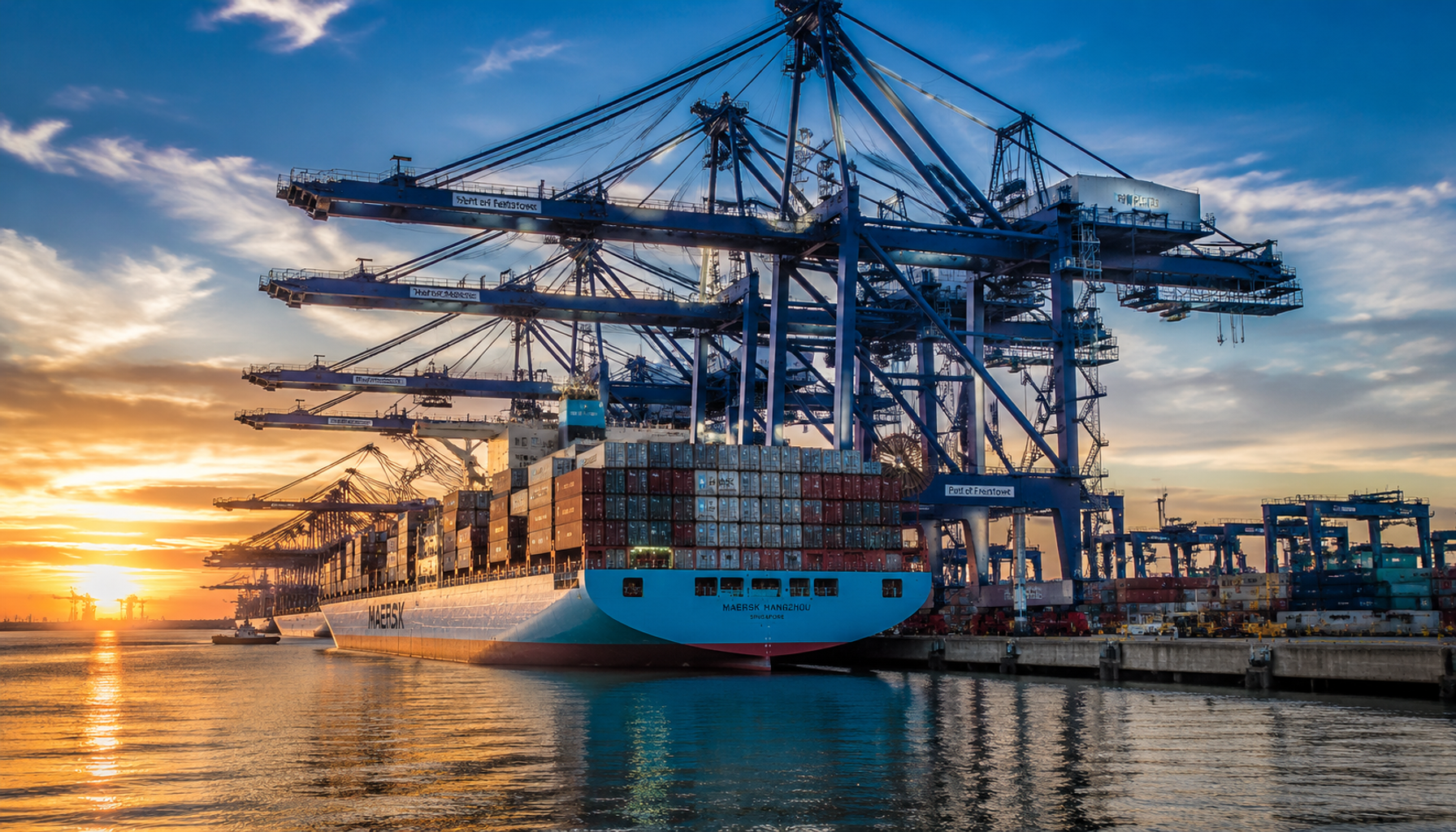
Today is 14 August 2026. If you're a UK CBAM 2027 castings importer, you have 140 days — exactly nineteen weeks — until the compliance clock starts on 1 January 2027.
This isn't the tax cliff. Under the published framework, the charge phase begins later. But 2027 is when the first hard obligations hit: registration, record-keeping, and the opening of your first reporting period. And here's the problem: you can't pull twelve months of supplier emissions data out of a drawer in December. It has to be requested, verified, and negotiated now.
Why does this one deserve your attention more than the other compliance letters in your inbox? Because CBAM is the first carbon border mechanism with a hard report-or-pay design. The EU launched its transitional phase in October 2023, and importers are still wrestling with data quality three years later. You have the advantage of learning from their mistakes — but only if you start now.
Let me give you the numbers that should make this feel urgent. A typical ductile iron casting carries roughly 1.0–2.5 tonnes of embedded CO₂ per tonne of finished castings, cradle-to-gate. That covers melting scrap and pig iron, the electricity to run an induction furnace or the coke to run a cupola, heat treatment, and everything upstream of your foundry's dispatch gate.
Now run that against the carbon-price gap. Mid-2026 prices: the UK ETS sits around £45 per tonne. China's national ETS, extended to iron and steel in 2025, trades around £12 per tonne. The gap is roughly £33 per tonne of CO₂. For a 20-tonne container of SG iron castings at 1.5 tCO₂e per tonne, that's 20 × 1.5 × £33 ≈ £990 of CBAM exposure per container. That's an estimate, not a quote — but it's the right order of magnitude. Move 500 tonnes a year and you're looking at five figures in carbon cost that didn't exist when you signed your last frame contract.
None of that hits your bank account in 2027. But every pound of it is decided by the data you collect — or fail to collect — in the next 140 days.
What the UK CBAM actually covers (and what it doesn't)
The UK Carbon Border Adjustment Mechanism is a carbon customs charge. Domestic producers pay for their emissions through the UK Emissions Trading Scheme. Imported goods — made in countries where carbon is cheaper or unpriced — would otherwise undercut them. CBAM closes that gap by charging importers the difference between the UK carbon price and whatever carbon price was already paid in the country of origin.
The scheme covers six industrial sectors: aluminium, cement, ceramics, fertiliser, glass, hydrogen, and iron & steel. If your product is cast iron or cast steel, you sit in the iron & steel bucket.
Here's the part that trips people up: CBAM doesn't care what your supplier calls the product. It cares about the 8-digit commodity code on your customs declaration. If that code appears in the published CBAM goods schedule, the embedded emissions are in scope. "Casting", "component", "spare part" — none of those words matter. The code does.
Castings are unusually exposed for three reasons. First, the sector is dominated by small and mid-sized foundries in countries with weak carbon accounting infrastructure. Second, melting metal is one of the most energy-dense industrial processes on earth, so the embedded-emissions number is structurally high. Third, castings rarely travel under a neat "castings only" label — they hide inside pumps, valves, compressors and machinery, which makes commodity-code mapping genuinely difficult. Get it wrong and the audit trail will find you anyway.
| Product | UK Global Tariff code (typical) | Status |
|---|---|---|
| Cast articles of non-malleable cast iron | 7325.10 | Commonly in scope — verify |
| Grinding balls for mills (cast iron/steel) | 7325.91 | In scope |
| Other cast articles of iron or steel | 7325.99 | Commonly in scope — verify |
| Other articles of iron or steel (machined parts) | 7326 | Case by case — check schedule |
| Pump parts: impellers, casings, housings | 8413.91 / 8413.92 | Case by case — check schedule |
| Valve bodies and tap components | 8481.90 | Case by case — check schedule |
Every row above needs to be checked against the current published goods schedule before you rely on it — the list is reviewed and updated, and codes can be moved. If your customs broker answers "not sure" when you ask whether your code is covered, make them show you the code in the schedule. That single question will sort your preparation from their guesswork.
The timeline: what happens, and when
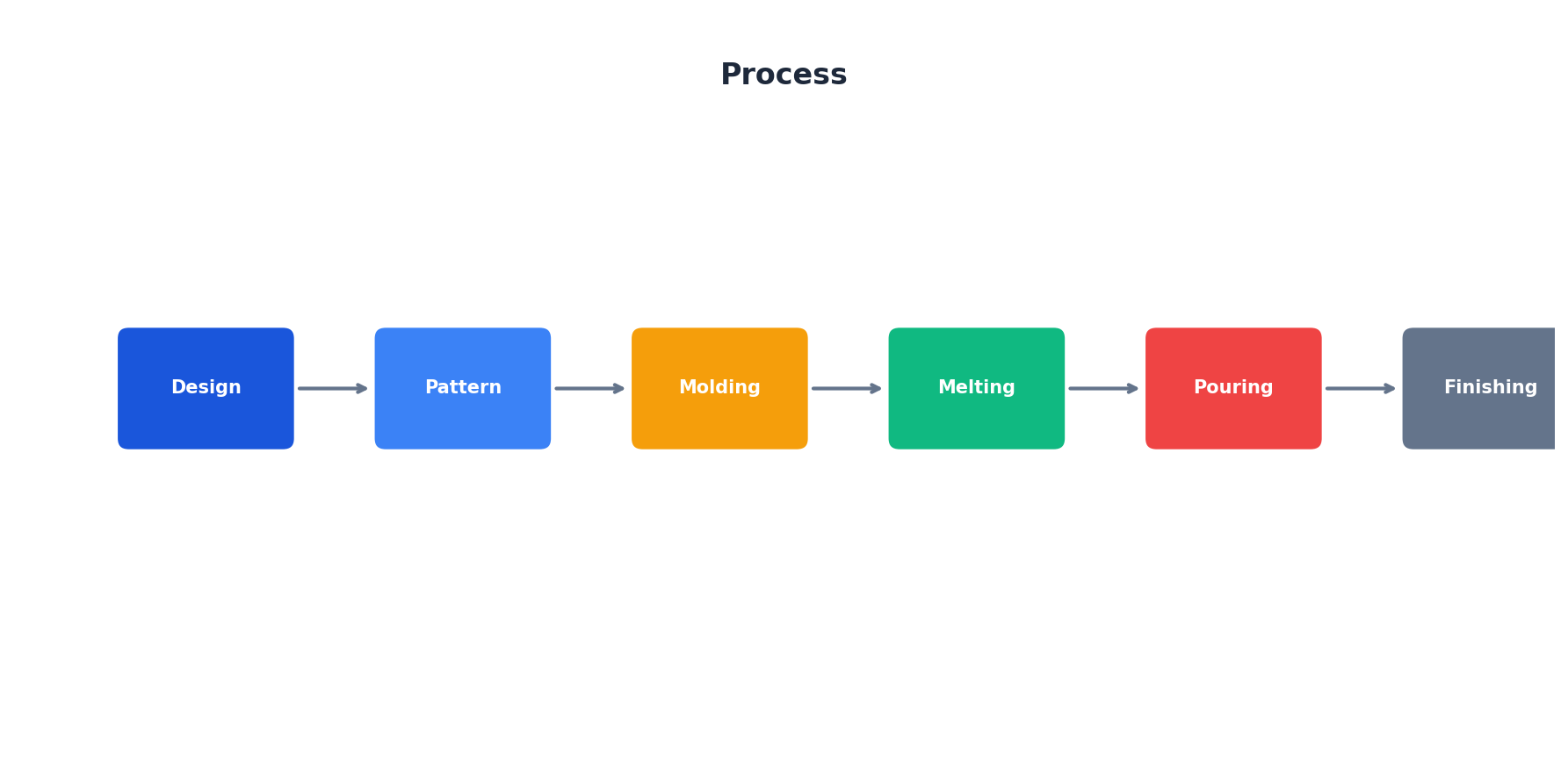
| Period | What happens |
|---|---|
| Now → 31 Dec 2026 | Verify commodity codes, request emissions data from suppliers, verify that data, prepare HMRC registration |
| 1 January 2027 | UK CBAM enters into force. Importers of in-scope goods must be registered and start tracking emissions data on every import |
| 2027–2029 | Transition period: register, record, and report. No cash payments yet — but late or incomplete reporting carries penalties |
| 2030 onward | Charge phase: importers pay the carbon-price gap on the embedded emissions of the goods they imported |
The government has indicated the first CBAM returns will be due during 2028, covering the 2027 calendar year. Don't confuse "report due in 2028" with "data needed in 2028". The data period starts on 1 January 2027 — the day the clock begins, not the day the return lands.
The EU's experience is the warning here. Its transitional phase started in October 2023, and a large share of importers' first quarterly returns contained errors or missing values. Many had simply never asked their suppliers for scope 1 and scope 2 data. UK importers who start the data conversation in 2026 will be ahead of the same curve, not behind it.
"The importers who will struggle are not the ones who missed the consultation papers. It's the ones who hoped their commodity code wouldn't be caught. CBAM is a customs event. Customs events don't disappear because you ignore them."
— Anna Whitfield, customs compliance broker, Birmingham
The three numbers that decide your CBAM bill
The whole calculation reduces to one formula:
CBAM exposure = (UK carbon price − origin carbon price) × embedded emissions × net weight
1. The carbon-price gap
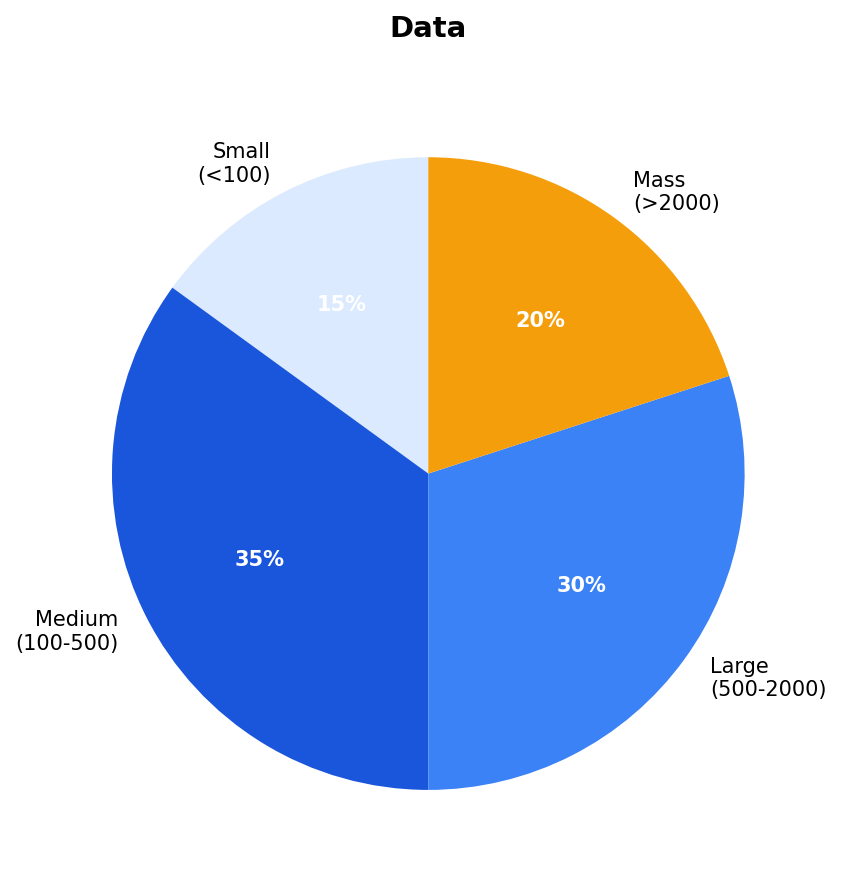
Broad mid-2026 strokes: the UK ETS trades around £45/t, the EU ETS around £55/t, China around £12/t, and India has no meaningful national carbon price. Allowances move weekly, and China's market is young and volatile. The point is the shape: the UK sits near the top of global carbon prices, while most of your supply base sits near the bottom. That gap is the tax you're exposed to.
Watch this number. China's ETS is expanding and tightening at the same time, so its price will likely climb through 2027–2028. But even if the gap narrows, the direction is not "zero" — it's "more expensive to ignore". Hedge the trend by locking in verified data early, because the data has a longer shelf life than the price differential.
2. Embedded emissions
This is where the real story hides. Embedded emissions cover scope 1 (fuels burned on site: coke, gas, diesel) and scope 2 (purchased electricity). In practice, the number depends on two things: the foundry's furnace route and its scrap ratio.
- High-scrap, electric induction route: typically 0.9–1.6 tCO₂e per tonne of castings
- Coke / cupola or pig-iron-heavy route: typically 1.8–2.5 tCO₂e per tonne
- No data at all: you get the default factor, which is set high by design — effectively the worst-case bucket
A quick word on electricity in China: the national grid emission factor is still around 0.55 kgCO₂/kWh, so a large electric induction furnace carries a real indirect footprint. "Electric" is not automatically "clean". Ask for the grid factor your foundry used — if they can't tell you, they haven't measured scope 2 properly.
3. Net weight
Sounds trivial. It's not. The charge multiplies everything by the net weight of the goods per commodity code, and mismatches between declared weight and actual shipment weight create audit problems down the line. Get the per-code net weight right on the declaration — it's the number the whole charge multiplies.
Now the worked examples, because this is where CBAM stops being abstract:
| Scenario | Route | Emissions data | CBAM exposure per 20t container |
|---|---|---|---|
| China, induction furnace, 75% scrap | Verified 1.2 tCO₂e/t | 20 × 1.2 × £33 | ≈ £790 |
| China, same foundry, no data | Default factor 2.2 tCO₂e/t | 20 × 2.2 × £33 | ≈ £1,450 |
| India, coke-heavy, verified 1.8 | No carbon price in origin country | 20 × 1.8 × £45 | ≈ £1,620 |
Two suppliers, same castings, same port — a £700-per-container swing decided entirely by data and process choice. That's the CBAM story. Most sourcing teams haven't started chasing that swing.
The data problem: getting real numbers out of your foundry
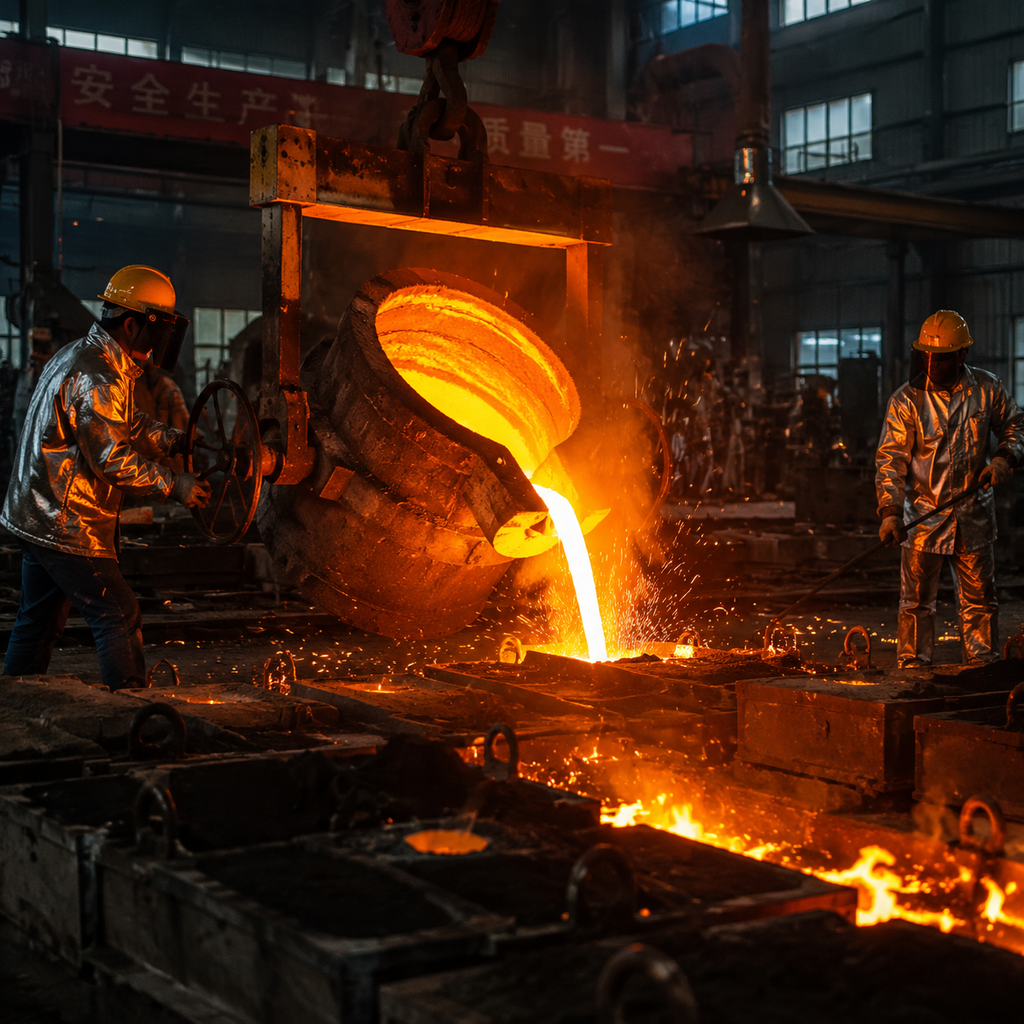
Here's the uncomfortable part: most foundries outside the EU have never measured their embedded emissions. Many will tell you "we are a green factory" with zero documentation behind it. That's not data. That's a slogan.
What to ask for, in writing, from every active supplier:
- Emission factor: tCO₂e per tonne of finished castings, cradle-to-gate, scope 1 + scope 2
- Energy mix: electricity source (grid, solar, captive power) and the grid emission factor used
- Scrap ratio: percentage of recycled scrap vs pig iron vs purchased returns
- Fuel types: induction vs cupola, and what is used for heat treatment
- Boundary statement: which stages are included — melting, moulding, pouring, fettling, heat treatment, machining?
- Verification: who audited the numbers, and against what standard? An EPD under ISO 14025 / EN 15804 carries weight. A one-page PDF from the sales manager doesn't.
You'll hear "default values are fine" from suppliers who don't want to dig into their own energy bills. Remember: default values are not fine. They're the carbon equivalent of letting customs classify your goods as "miscellaneous" — technically allowed, financially stupid.
"I've watched clients on the EU side send three polite emails to their Chinese suppliers asking for data, then give up. The ones who got numbers put the obligation in the purchase order: 'Unless this emissions sheet is signed, we're not booking your order.' That's the moment suppliers start finding the data they say they don't have."
— Anna Whitfield
If you need a starting point, the data request that works has five elements. First, reference the specific PO or contract so the supplier knows exactly which goods it covers. Second, state the 8-digit commodity code you're importing under, because that's what the data will attach to. Third, ask for the emission factor in tCO₂e per tonne of finished castings, cradle-to-gate, scope 1 + scope 2. Fourth, ask for the verification standard and the name of the auditor. Fifth, close with a trigger: "If we don't receive this by [date], we will apply the default factor and reserve the right to renegotiate the price." That last line is the one that gets responses.
If you source through a buying agent or a trading company, make the data request part of their scope too. You need the foundry-level number, not a trader's guess — and your agent should know the difference by now.
Use CBAM to buy better, not just to comply
The compliance exercise has a hidden upside: it's a negotiation lever and a supplier sorting tool. Here's how to use it.
First, put emissions data in the RFQ. Make it a mandatory field alongside price and lead time. The moment carbon data is a box suppliers must fill to be quoted, the market starts producing it. That's how every meaningful sourcing standard has ever started.
Second, score suppliers on carbon, not just piece price. Here's a worked example using current numbers:
- Foundry A: £1,300/t, verified 1.0 tCO₂e/t, China → delivered carbon cost £1,300 + (1.0 × £33) = £1,333/t
- Foundry B: £1,280/t, no data → default 2.2 tCO₂e/t → £1,280 + (2.2 × £33) = £1,353/t
Foundry B's £20-per-tonne price advantage disappears before you even talk about freight and duty. By 2030, when the charge is payable, that "cheaper" supplier is the more expensive one. Period. The sourcing team that figures this out in 2026 gets a two-year negotiating advantage over the one that wakes up in 2029.
Third, look at the energy story behind the foundry. Solar-powered induction foundries exist, and their numbers show it. A foundry in western China with hydro power has a structurally different scope 2 profile than one burning coal-heavy grid power inland. That difference is now part of your landed cost.
Fourth, watch the pig-iron-heavy routes. If your foundry buys pig iron from a region with no carbon price, that embedded carbon travels to you. Ask where the metal comes from, not just what it costs.
And if you need a sharper negotiation lever, use the carbon data conversation to open a wider pricing discussion. The foundry that hands you a verified 1.1 tCO₂e/t number is telling you something important: they know their energy costs, they've measured their processes, and they're likely running a tighter shop than the competitor who shrugs. That's the supplier worth growing a relationship with.
Five mistakes that will cost you real money
Mistake 1: treating CBAM as a 2030 problem. The data period starts 1 January 2027. If you wait until the charge phase to care, you'll be reporting on the default factor — the most expensive way to comply. The EU's first transitional phase is proof enough: the importers who started early are the ones with clean data now.
Mistake 2: assuming your EU CBAM file transfers over. Different goods list, different rules, different regulator. If an EU customer asks you for CBAM data on their imports, that's the EU scheme. Your UK obligations are separate and need their own process. Don't assume reuse.
Mistake 3: forgetting electricity. Scope 2 is in scope. Plenty of importers ask for furnace fuel and forget the power running the furnace, the compressors, and the heat treatment line. The difference can be 0.3–0.5 tCO₂e per tonne — enough to flip a supplier ranking.
Mistake 4: not writing carbon into the contract. If the supplier hasn't committed to providing verified emissions data, your successor in this job inherits the problem. Add a clause: emissions data per delivery, verified, with materiality threshold. It costs nothing to ask now.
Mistake 5: ignoring the grey-zone codes. Castings arriving as spare parts, packed with machinery, or declared under a vague 7326 code — each has its own scope answer. Verify every code you ship, including the ones that have "always been fine".
FAQ: the questions importers actually ask us
Do I pay CBAM charges in 2027?
Under the published framework, no. 2027 opens registration, record-keeping, and reporting. The transition period runs 2027–2029, and the charge phase begins in 2030. But your data obligations — and your exposure trajectory — start on 1 January 2027.
My foundry has an EPD. Is that enough?
Depends on the boundary. Many EPDs cover one product line or only factory-gate emissions. CBAM needs embedded emissions for the specific goods you import. Ask for the EPD's declared unit, scope, and verification standard, then check it maps to your commodity code and weight.
What if my Chinese supplier refuses to share emissions data?
Then you default — literally. Put the obligation in the purchase order, use a data request template, and be ready to switch. Export-focused foundries are already producing CBAM-ready data; others wait until a big customer requires it. Be that customer.
Is there a de minimis threshold?
Yes. Under current guidance, importers bringing in under roughly £50,000 of in-scope goods a year are outside the full compliance net. Confirm the exact figure in the latest HMRC notice before leaning on it — and remember that a few containers of castings get you past £50,000 faster than you'd think.
Does CBAM apply to castings that are parts of machinery?
It depends on the 8-digit commodity code, not the word "part". A pump housing under 8413.91 gets the answer attached to that code. A valve body under 8481 gets its own. Function doesn't decide — classification does.
How do UK CBAM and the EU CBAM differ for my castings?
Different goods schedules, different de minimis thresholds, different reporting periods and different regulators. If you supply both markets, you'll run two separate compliance processes. The underlying foundry data — embedded emissions per tonne — can be reused for both, but the paperwork and the deadlines are not interchangeable.
Your 90-day action plan
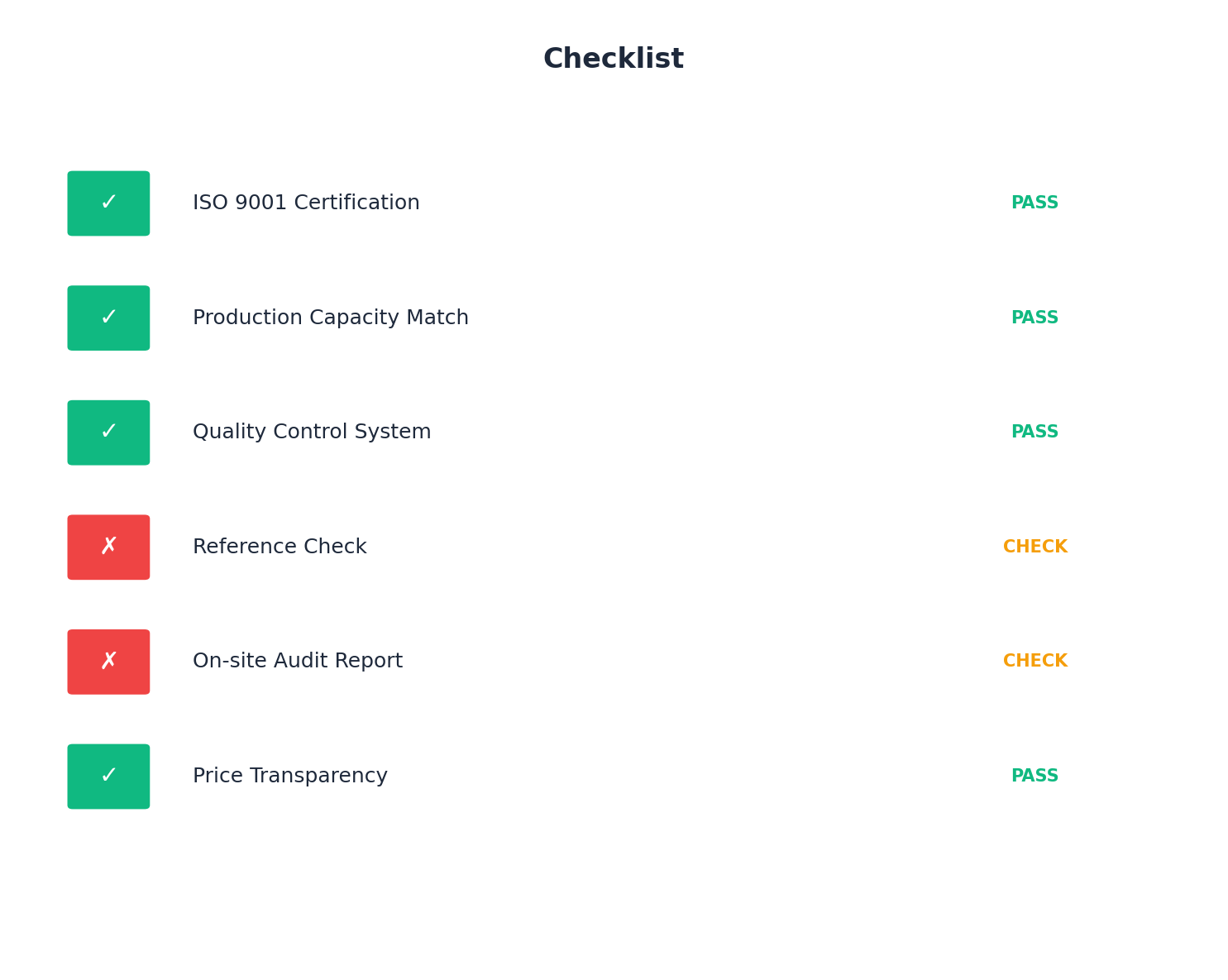
If you start today, 140 days is plenty. If you start in November, it isn't. Here's the sequence that works:
- Weeks 1–2: pull your last twelve months of customs declarations, list every 8-digit code that involves castings, and check each one against the CBAM goods schedule
- Weeks 3–5: send the emissions data request to every active supplier, and make it a contractual condition
- Weeks 6–8: review responses. Rank suppliers by emissions per tonne. Flag the ones without data as default-factor risks
- Weeks 9–11: verify the good responses — EPDs, energy bills, third-party audits. Decide your actual-vs-default strategy for the rest
- Weeks 12–14: complete HMRC registration, assign an internal owner for CBAM reporting, and put the 2027 reporting dates on the calendar
Then run one scenario before the year ends: take your 2026 import volumes, apply both the verified and default emission factors, and calculate the difference in CBAM exposure. That number is the prize for doing this properly. It's also the number to show your finance director when you ask for budget to make carbon data a standard part of your sourcing process.
One more thing: don't let perfect be the enemy of good. An imperfect verified number from your foundry is worth ten times a polished default you never challenged.
Before you close this tab
Do one thing right now: pull your last three customs declarations and check the 8-digit codes against the CBAM goods schedule. If your castings sit under 7325.10, 7325.99, or any of the 8413 / 8481 parts codes, you're in this conversation.
The good news is that 140 days is enough time to get this right. The bad news is that it's nowhere near enough time if you wait 100 of those days before starting.
Get the CBAM supplier data template — the exact RFQ sheet we use to request emissions data from foundries, with the verification checklist built in. Free to copy; no email gate.
Not sure if your codes are in scope? Send your 8-digit commodity codes to our sourcing desk and get a straight "in" or "out" within one business day.