Buyer's Guide · Casting Sourcing
Pump and Valve Castings: What to Check Before You Sign the PO
A 15-year procurement veteran walks you through the alloy, process, QC, and negotiation traps that turn a "great deal" into an $86,000 write-off.
Let's say you just signed off on a batch of CF8M gate valve bodies from a supplier you found on Alibaba. Price was 38% under your last vendor. The castings came with certification papers thicker than a metro pass, all properly stamped and signed. Then the first three pieces hit the pressure test bench and cracked at 4,200 psi. You are now staring at an $86,000 write-off, a delayed skid delivery, and a client who's asking questions you can't answer.
I've been in procurement for fifteen years, mostly on the oil and gas equipment side. I've bought pump casings, valve bodies, impellers, flanges, and fittings from foundries in China, India, Italy, Mexico, and the US. And I've been the guy who had to explain why a batch failed in the field. The bad news: most casting failures are not bad luck. They're predictable. They come from skipping one of maybe seven checks that this article walks through. The good news: you can catch them before you wire the deposit.
This guide is written for the buyer on the hook for pump and valve castings. No fluff, no vendor brochures, just the stuff I wish someone had put in front of me a decade ago.
What Pump and Valve Castings Actually Are, and Why They Crack
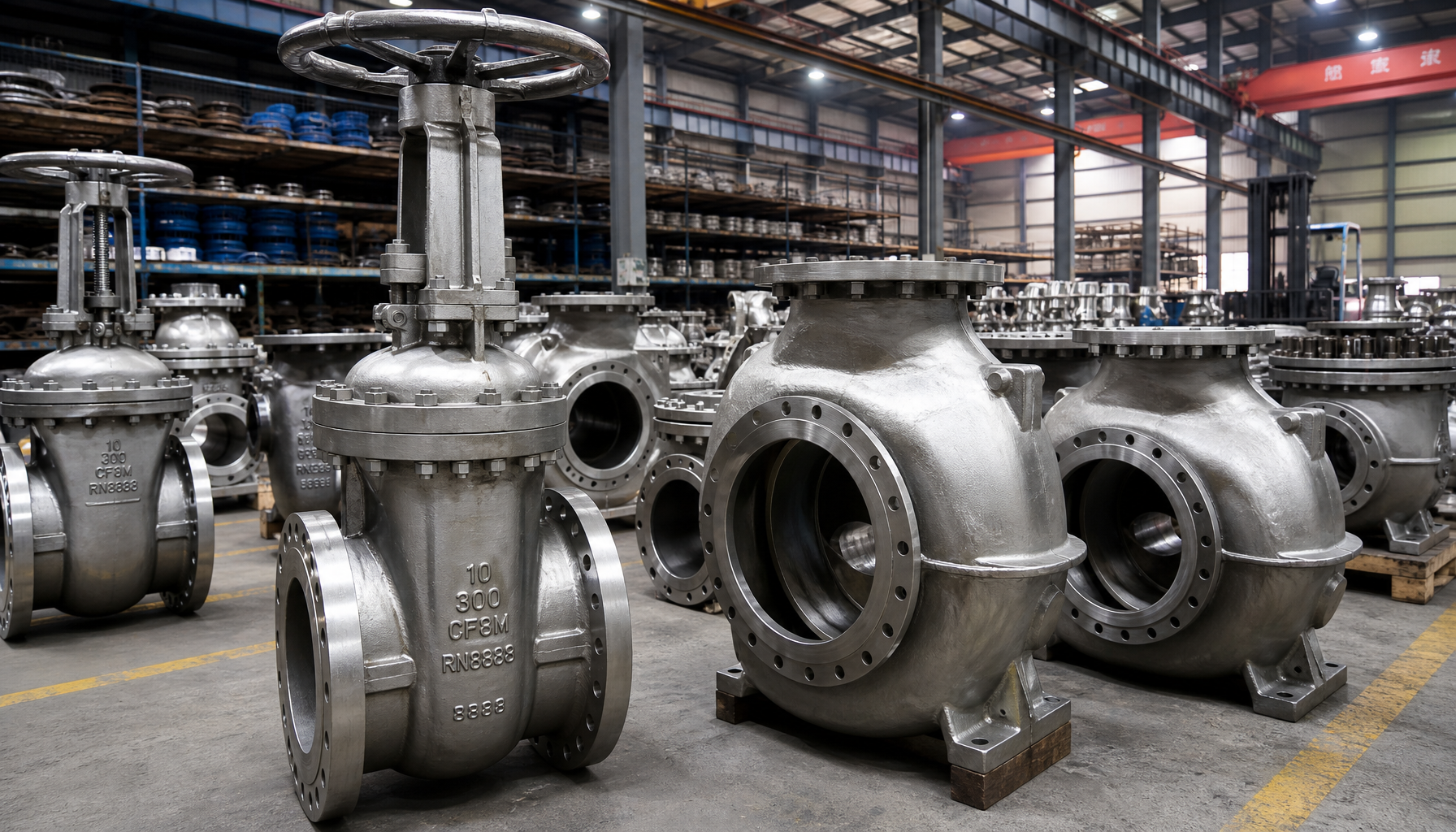
Pump and valve castings are the pressure-containing skeletons of fluid handling systems. A gate valve body, a pump casing, an impeller, a valve bonnet, a flange — these are not decorative parts. They hold back steam at 600 psi, sea water at 40 feet, crude oil with H2S at 200°F. When they fail, things get expensive fast. Sometimes people get hurt.
You'd think a casting failure would be rare. It isn't. Here are the three failure modes that come up again and again:
1. Shrinkage porosity
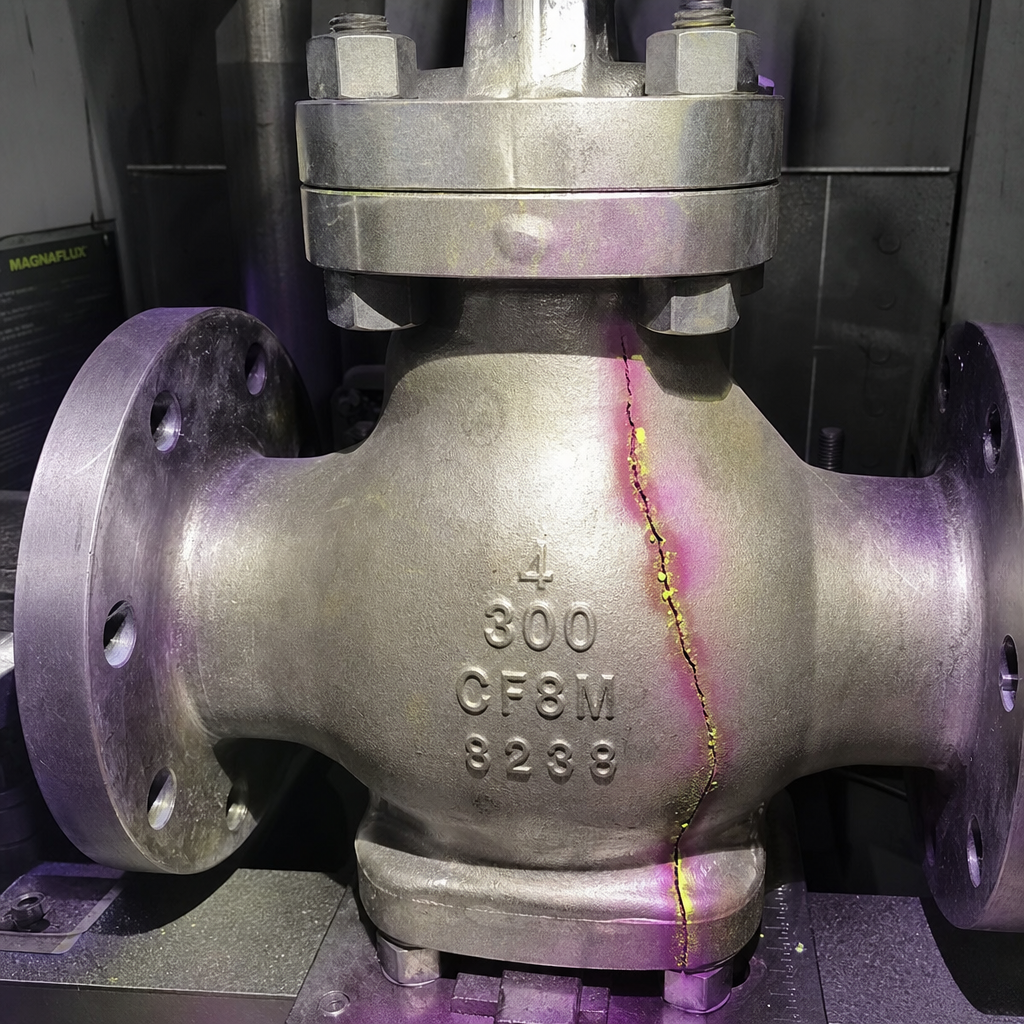
When molten metal solidifies, it shrinks. If the foundry's riser and gating design doesn't feed that shrinkage, you get internal voids — some the size of a pea, some running like little tunnels through the wall. A shrink cavity in the pressure boundary is a time bomb. It won't show up in a quick visual check, and it can hide even from hydrostatic testing if it's small enough and the test pressure is marginal. Then it grows under cyclic pressure, and eighteen months later you have a leak in the middle of a refinery turnarounds.
2. Gas porosity
Hydrogen and oxygen can get trapped in the melt if the deoxidation practice is sloppy. The result is a sponge-like distribution of pinholes, often just under the surface. They show up in machining — suddenly your nicely machined sealing face has pinholes all over it. That's a scrap part, and you're eating the machining cost.
3. Hot tearing
If the casting design locks up during cooling — think thick sections next to thin sections — the metal can tear itself apart at the grain boundaries while it's still semi-solid. Hot tears look like jagged cracks on the surface. Some foundries grind them smooth and weld them over. If the weld repair was done right, that's actually acceptable. But if it was done without proper preheat and qualified procedures, it's a new failure point.
Now layer in the second problem: the metal itself. I'll say this bluntly: alloy substitution is the quietest way a foundry cheats you. You order CF8M (cast 316 stainless) and the foundry ships CF8 (cast 304) with an altered certificate. In a chlorinated water service, CF8 starts pitting in weeks. You won't see it until the pit becomes a pinhole leak. I've seen this exact substitution three times in the last decade — every buyer found out the same way, at the pressure test bench, with a batch of castings that cost more to reject than they saved from the discount.
So the first lesson: understand the metal, and verify the metal. Not the certificate. The metal.
Materials: Get the Alloy Right First
Here's the material shortlist I still carry in my head for pump and valve work. Every one of these is an ASTM standard — you can verify the full chemical ranges on astm.org for each grade — and every one has a "cast equivalent" that's different from its wrought cousin. Learn the distinction or get burned.
| Cast Grade | ASTM Standard | Wrought Equivalent | Typical Use | Watch-Out |
|---|---|---|---|---|
| WCB | A216 | A105 / SA-105 | Carbon steel valve bodies, bonnets | Not for low-temp below -29°C; check CVN impact if spec'd |
| LCC | A216 | LF2 | Low-temp carbon steel valve bodies | Requires Charpy V-notch at -46°C — verify sub-size vs full-size specimens |
| CF8 | A351 | 304 / 304L | Corrosion-resistant valve and pump parts | No Mo — pitting risk in chloride media |
| CF8M | A351 | 316 / 316L | The workhorse for seawater and chemical service | 2-3% Mo required; verify with OES, not paper |
| CF3M | A351 | 316L | Welded assemblies, post-weld heat treat sensitive | C max 0.03%; lower mechanical strength at elevated temp |
| 4A (CD3MN) | A995 | 2205 duplex | Sour gas, seawater, high-strength pump casings | Ferrite/austenite balance 35-65%; wrong heat treat kills corrosion resistance |
| 5A (CE3MN) | A995 | 2507 super duplex | Extreme chloride / H2S environments | PREN ≥ 40 required; trust nothing without a full chem report |
| C95800 | B148 | Nickel aluminum bronze | Seawater pump impellers, marine valves | Must be in the as-cast condition for optimum corrosion resistance |
One more metallurgical layer that buyers miss, especially in oil and gas: if your service environment contains hydrogen sulfide — think sour gas, oilfield fluids — then NACE MR0175/ISO 15156 comes into play. Not every grade in the table above automatically qualifies. Duplex and super duplex (4A/5A) generally do. CF8M needs a check on its metallurgy and hardness. Ask your supplier for their NACE compliance statement in writing, before you order. That document is worth more than three certificates from a friendly lab.
One trap I keep seeing: buyers compare a GB/T 12230 certificate from a Chinese foundry against an ASTM A351 requirement and assume they're the same. They aren't. GB/T 12230 has slightly different ranges on some elements, and the heat treatment verification is not as tightly documented. It's not automatically bad material — but you need a chemist to map the equivalency before you sign, or your engineering team will reject it at the inbound gate, and then it's your problem.
The second trap is the "CF8M equals 316" assumption. They're close, but not identical. Cast 316 has a slightly wider chemistry window than wrought 316, and the mechanical properties are different because of the casting structure. Your engineering team's stress values for ASME B16.34 pressure-temperature ratings are based on the cast grade, not the wrought grade. Don't let a supplier "helpfully" upgrade the certificate to give you better numbers.
If you want the full mapping of cast grades to wrought equivalents in a printable table, I built one here: ASTM casting grade quick reference.
Bottom line: get the grade in writing, in the PO, with the required heat treatment and testing stated. Ambiguity is a gift to a supplier who's under pricing pressure.
Casting Process: Sand, Investment, or Centrifugal?
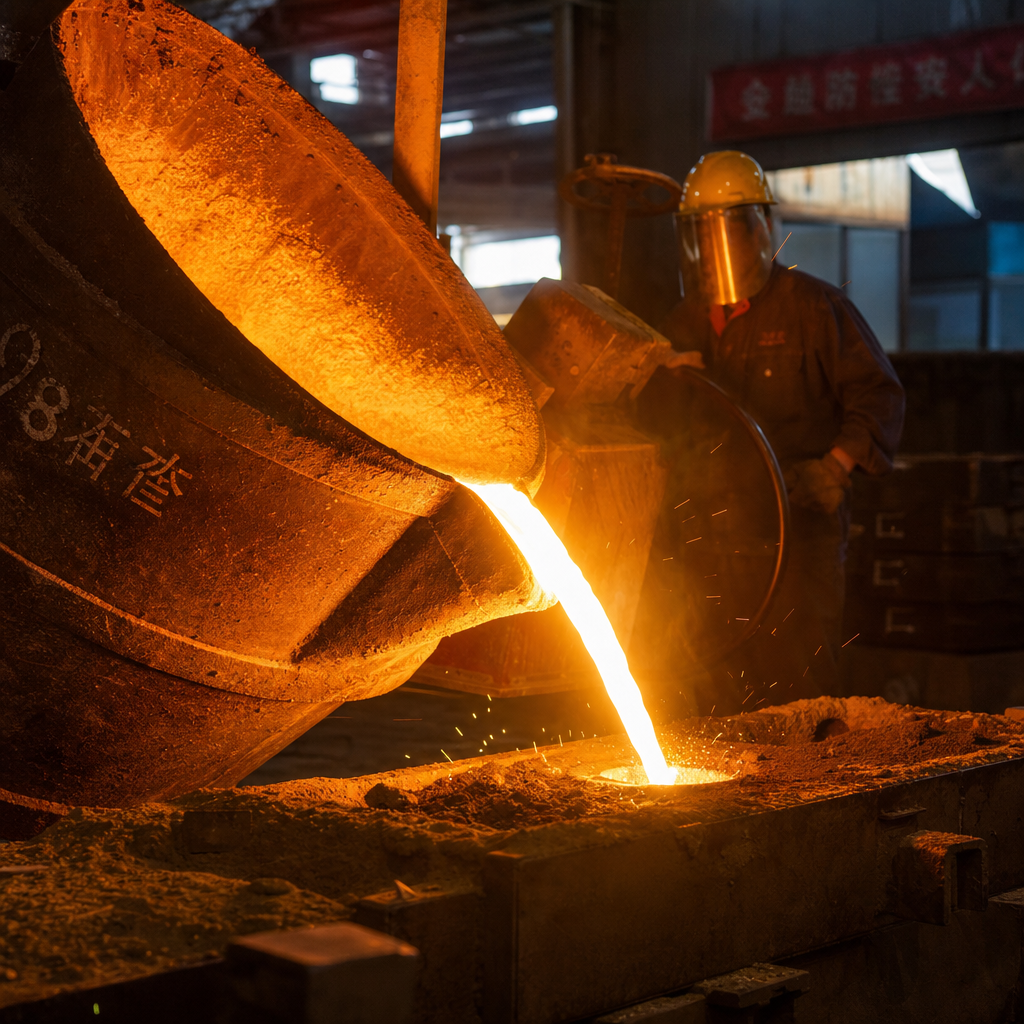
Once the alloy is locked, the next decision is the process. The foundry will tell you whatever you want to hear. You need to know which process actually fits your part, because process choice drives tolerance, surface finish, internal soundness, and — ultimately — price.
Sand casting
Sand casting is the cheapest and most flexible route for large parts. A 300 kg gate valve body, a 250 kg pump casing, a large suction flange — these are sand casting territory. Tooling costs run $2,000 to $15,000 depending on complexity, and you can have it in production within four to six weeks. But the dimensional tolerance is loose, typically ±1.5-2%, and the as-cast surface is rough. You'll need machining stock, and the foundry's ability to hold a consistent wall thickness depends heavily on coremaking skill. If your part has a convoluted internal flow path, ask how they make the core and whether they measure core shift after molding.
Investment casting
Investment casting — lost wax, if you're old school — gives you the best surface and tolerance of the three. We're talking ±0.5% dimensional tolerance and an as-cast surface around Ra 3.2-6.3. That's why you see impellers, small valve bodies, cages, and guide vanes as investment castings. The catch: size limits. Practically, you're looking at parts under 50 kg, and beyond 20 kg the cost per kg starts climbing steeply. Tooling is also pricier — a good die for a complex impeller can run $15,000 to $30,000.
Here's the thing to watch with investment casting: wall thickness. Some foundries will push for a uniform 3 mm wall because it's easy to pour. But a pump impeller needs varying thicknesses — thin at the leading edge, thick at the hub. A foundry that isn't honest about fill and solidification simulation will produce a part with micro-shrinkage in the thick sections. Ask to see the solidification simulation output for your exact part — with your geometry, your gate positions. Not a generic simulation pulled from the sales folder. If they can't produce it on request, assume they haven't run one.
Centrifugal casting
Centrifugal casting is the specialized one. You pour liquid metal into a spinning mold, and the centrifugal force pushes the metal outward, giving you a very dense, defect-free structure. It's ideal for cylindrical pieces: valve seats, bushings, sleeves, and some pump liners. The internal soundness is excellent, which is why you see it used for pressure-retaining parts where a pinhole leak would be catastrophic.
But it only works for shapes of revolution. Don't ask a centrifugal foundry to make a rectangular pump casing. They'll say yes because they want the order, then either send it out to a sand foundry or struggle with a modified process. Both paths end badly for you.
One more process note: there's a growing habit of labeling low-quality production as "precision sand casting" to blur the line. If a supplier claims precision casting but the surface finish is rough and the internal corners show heavy machining stock — that's sand, dressed up for the sales deck. Ask for photos of the actual pattern and coreboxes, not the finished part.
The Quality Control Stack: What a Buy-Side QC Plan Looks Like
Here's where most buyers lose the game. They look at a single material certificate and think quality was covered. It wasn't. A material certificate tells you that some sample from some heat had certain chemistry. It says nothing about whether the actual casting in your hand is sound.
A real buy-side QC plan covers six layers. I've pasted this list into more POs than I can remember:
- Chemical analysis (OES). The certificate must match the heat number stamped on the casting. And at least one piece from each heat should be independently analyzed by your lab, not trusted on the foundry's word.
- Mechanical testing. Tensile strength, yield, and elongation. If the spec calls for impact testing — LCC at -46°C, for example — verify the specimen size and test temperature. More than once I've seen "CVN at -46°C" with specimens machined to the wrong size to game the energy absorption numbers.
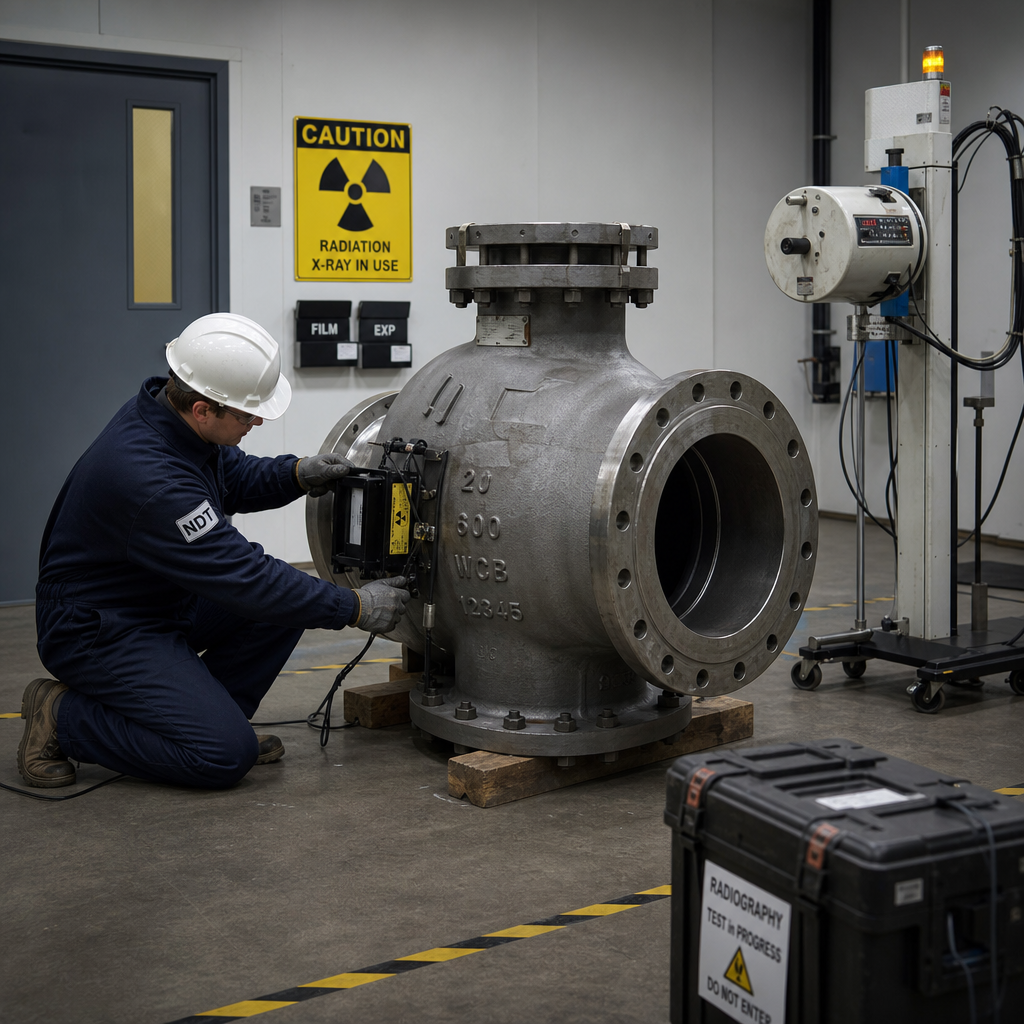
- NDT — the four-letter alphabet. RT (radiographic testing) catches internal voids; UT (ultrasonic) catches cracks and heavy section issues; MT (magnetic particle) catches surface and near-surface cracks in ferromagnetic material; PT (liquid penetrant) catches surface cracks in non-magnetic metals like austenitic stainless and duplex. A QC plan for pressure-boundary castings should specify which ones apply, and at what sampling rate. "We'll do visual" is the answer you reject. One more letter to know: PMI (positive material identification) — a handheld XRF gun check on every piece. It's cheap, it's fast, and it catches alloy mix-ups before they go any further. On our critical orders, PMI is not optional.
- Hydrostatic testing. The pressure test. For ASME B16.34 valve bodies, that's 1.5 times the rated pressure at 100°F. But note: the test pressure alone doesn't validate metallurgy. If the wall is thick enough, you can have a shrink cavity that won't crack at test pressure but will under cyclic loading. So hydrotest passes don't give you license to skip RT.
- Dimensional measurement. Check critical wall thicknesses with ultrasonic gauging — not just the outside envelope. Wall thickness determines pressure rating, and undersized walls are a common defect in Chinese castings where the core shifted during molding.
- Traceability. This is the backstop. Every casting gets a heat code stamped or cast into the metal. That code links to the melt report, which links to the chemical analysis, which links to the heat treatment furnace batch. If a foundry can't trace a casting back to its melt, you don't have a quality system. You have a pile of metal with stamps on it.
The biggest fight I ever had with a foundry was over the second layer. They claimed to have done impact testing at -46°C. The certificate said so. But the test pieces were machined as 5 mm sub-size specimens — not the 10 mm full-size the standard requires. Sub-size absorbs more energy per unit area, so the numbers looked great. And the valve bodies were going into a gas plant in Alberta. We caught it because our inspector read the test report carefully. The foundry was indignant. We walked away from that order.
The lesson: treat the certificate as a claim, not a fact. Your job is verification, not trust.
How to Vet a Casting Supplier in Five Days
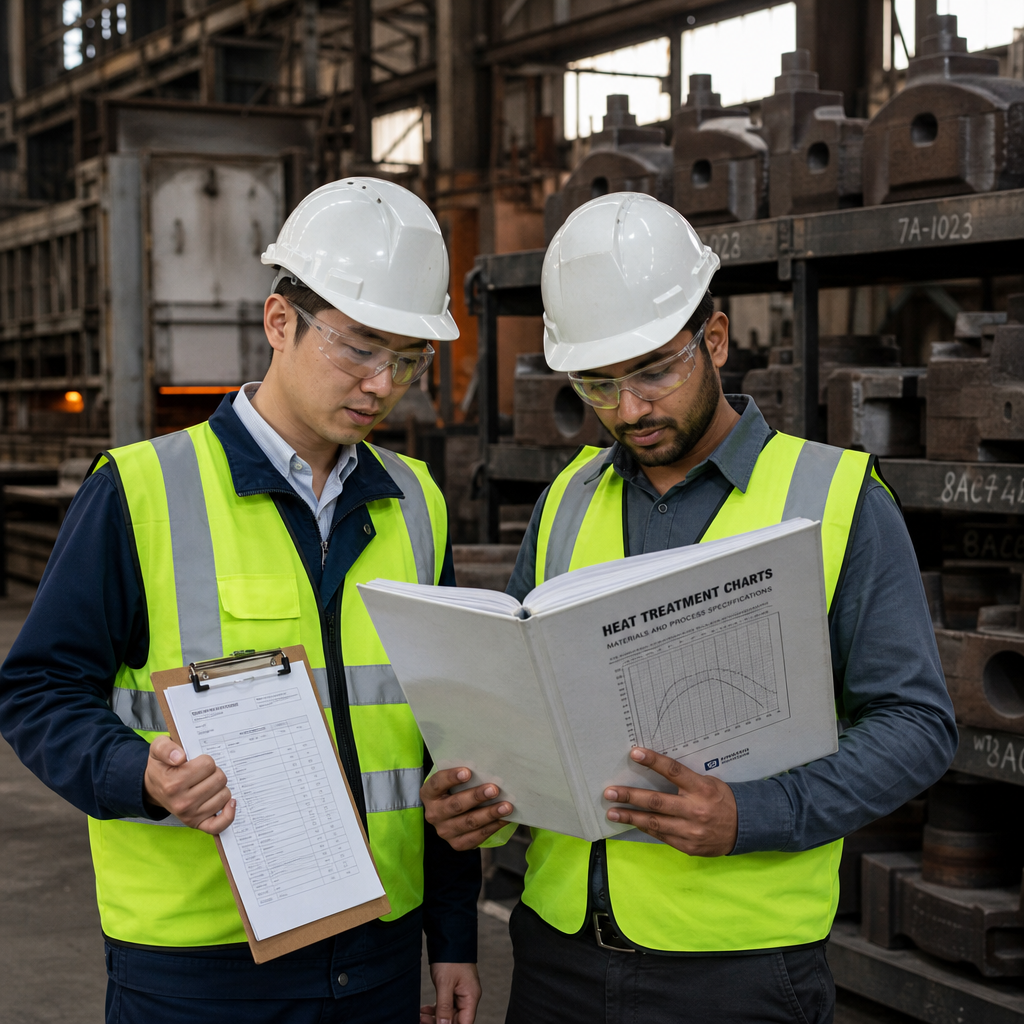
So you've got your alloy and your process figured out. Now the real work: picking the foundry. I've done supplier audits in a hundred factories across China — Wenzhou, Ningbo, Suzhou, Jinan, Shanghai — and I've settled on a five-day workflow that separates serious foundries from paper tigers. Here it is, day by day.
Day 1 — Document review (from your desk)
Ask for the ISO 9001 certificate and check who issued it. A certificate from a respected body — TÜV, SGS, BSI, DNV — is a signal. A certificate from some unrecognized registrar in a jurisdiction you've never heard of is a signal too, just not a good one. If the supplier's equipment is API 6A or API Q1 certified, that's a stronger signal for oil and gas work. Also ask for their PQR (procedure qualification records) and WPS (welding procedure specifications) for repair welding. You need to confirm they actually know how to weld repair a casting without destroying the alloy.
Then ask for a copy of a test report from their last casting batch — not a template, an actual report with actual data. Look at the format, the dates, the heat numbers, the specimen sizes, the lab signature. Fakes are usually too clean. Real reports have inconsistency — a slightly different date format, a different technician's initial, a correction here and there.
Day 2 — Video call with the quality manager
Not the sales manager. The quality manager. You want the person who signs the reports. Ask three questions:
- "Tell me about your last customer rejection. What was it, and what did you change?" — If they say "we've never had a rejection," that's a lie or a sign they've never been audited properly. Every foundry that does serious work has had at least one rejection.
- "What NDT do you do in-house, and what do you outsource?" — The mix is fine. What's not fine is if they can't explain who qualifies their NDT personnel.
- "Who calibrates your pressure test gauge, and how often?" — It's a test of their attention to detail. The answer should be immediate.
If the quality manager can't answer without the sales guy jumping in, that's a red flag.
Day 3 — The physical audit (or paid third-party audit)
If the part is critical, go see the foundry yourself. It's worth the flight. When you're there, ask to see the furnace charge records from last week — not today's, because they'll have cleaned up for your visit. Walk the melt deck and ask how they control the chemistry of the charge. Do they use a spectrometer on every heat? Do they have a lab on site?
Look at the heat treatment room. Is there a calibrated furnace with a temperature recorder, or is it a giant brick box with a thermocouple taped to the outside? Ask to see the last furnace batch chart — a real chart with time and temperature, not a screenshot of a spreadsheet.
I'll tell you what that test looks like in practice. On one audit in Wenzhou, the sales manager assured me their furnace was calibrated a month ago. The quality manager couldn't find the calibration certificate. We walked into the heat treatment room and found the thermocouple tied onto the furnace door with baling wire. The "temperature recorder" was a clipboard and a man's memory. We didn't sign.
Check the NDT room. If they do RT in-house, is the X-ray machine current, do they have film of actual batches they can show you? A red flag is a foundry that claims "100% RT" but has a darkroom that looks like a storage closet.
And walk the finishing bay. Look at the grinding stations. Are the welders qualified, do they have their welder certs pinned on the wall, or is steel being patched by a guy with a stick welder and no hood?
While you're walking, quietly count the casting racks and the inventory. A foundry that's running lean with a clean floor is a good sign. A foundry that's chaotic, with castings piled on the ground and no identification tags, is telling you everything you need to know about traceability.
Day 4 — Interview their third-party inspectors and lab
If the foundry outsources NDT, get the name of the lab, call them, and ask about their scope of work. An independent lab with ISO 17025 accreditation for the methods they do is a strong signal. If the foundry can't name a lab because "it's in-house," ask to see the NDT operator's ASNT Level II certs.
Day 5 — Small batch trial order
Put your money where your due diligence is: order 3-5 pieces from production tooling, not a prototype line. Then get an independent lab to run full chemical analysis, mechanical testing, and NDT on those pieces. The foundry's own reports do not count — that's like a student grading their own exam. The $800 to $1,500 you spend on independent verification is nothing compared to an $86,000 batch failure.
One nuance: small trial orders are the most common place to get burned by "show piece" quality. The foundry will hand-pour your trial parts with extra care, extra feeding, extra attention. That's fine — you're not evaluating their ability to make a showpiece, you're evaluating whether their systems produce consistent output. So on the trial order, tell them to run it exactly like a production batch. Same operators, same shift, same hurry. If the trial parts look perfect but every production batch drifts, you'll at least know the gap is real.
Price, Negotiation, and the Real Cost of Cheap Castings
Let's talk money. Because at the end of the day, the reason you're reading this article instead of golfing is the price, right?
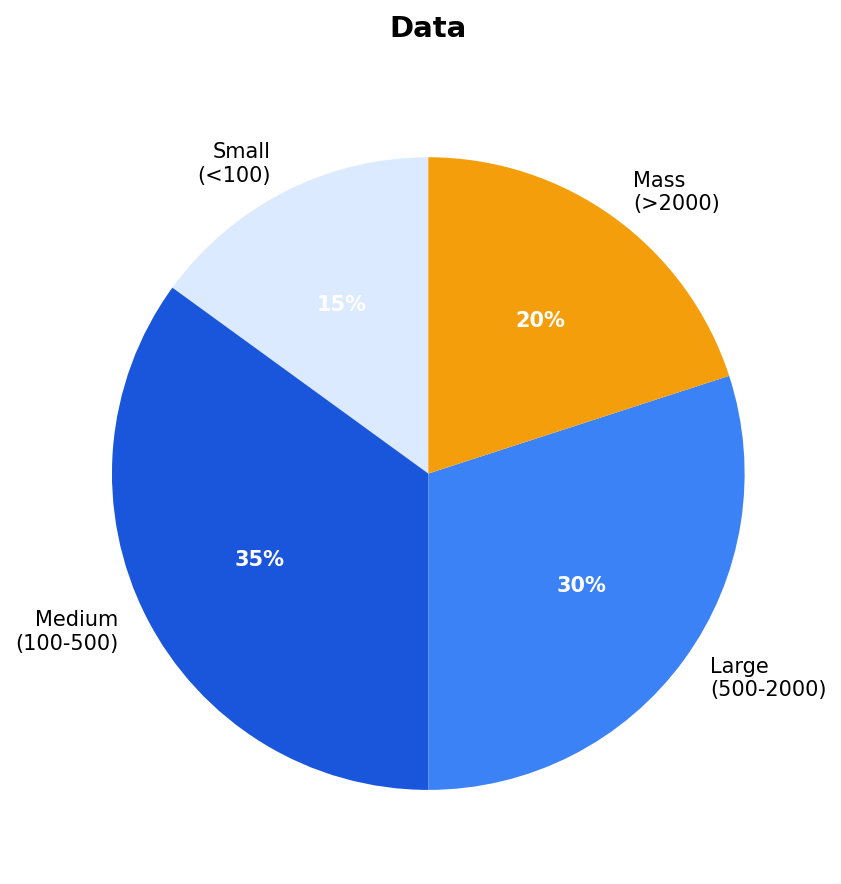
Here's the cost reality for a typical stainless steel valve casting (CF8M, sand cast, machined surface, about 20-50 kg finish weight): raw material is roughly 50-60% of the cost. Melting and pouring, 12-15%. Heat treatment, 5-8%. Finishing, shot blasting, cutting gates and risers, 8-10%. NDT and inspection, 5-7%. Overhead and profit, 8-12%. When a foundry quotes you 38% less than your benchmark, ask which line item is actually cheaper. Somebody's giving something up.
Robert Davis, a Georgia hardware wholesaler who spends about $1.5 million a year on castings, put it better than I can:
"I don't care how cheap a casting is if I have to pay $400 an hour to machine it and find a shrinkage cavity halfway through. My rule is simple: the cheapest quote is the quote that includes every risk cost, not the one that hides it."
— Robert Davis, hardware wholesaler, ~$1.5M annual casting spend
He's right. A casting that is 38% cheaper is usually 38% cheaper for a reason. Maybe the reason is that the foundry doesn't do real NDT. Maybe the reason is that they use recycled scrap with unknown trace elements instead of certified prime material. Maybe the reason is that they'll charge you for every "extra" later — separate charges for heat treatment, for certificates, for packing. The quote that looks great on the first page of an RFQ spreadsheet often looks very different by the time you've paid the third variation order.
So how do you negotiate like Davis does? Here's the process I've refined over 15 years:
Negotiate total cost, not unit price
Before you push on unit price, break the quote down. Ask for a line-item breakdown: tooling, raw material, casting, heat treatment, NDT, machining, surface treatment, packing, freight. Not all foundries will give you a full breakdown, but the good ones will — and how they handle the request tells you a lot. Davis again:
"Never negotiate unit price alone. Negotiate the cost breakdown — die cost, coating, machining allowance, payment terms, even who pays for the third-party inspection. That's where real savings live. I once got 11% off by asking for net-60 payment terms and giving up a 2% early-payment discount."
— Robert Davis
Let me decode that: if the foundry is cash-strapped and wants payment upfront, you can trade financing terms for price. If they're quoting a standard shipping method, you can change the incoterms. If the surface treatment is in a separate line, maybe you can arrange it yourself closer to port and save money there. The unit price is one line, and it's not the only line. For a deeper walkthrough of these levers, see our foundry pricing negotiation playbook.
Watch the tooling line
Tooling is where foundries hide margin when they're trying to appear competitive on the casting price. A skilfully segmented quote will show $5,000 tooling plus a low per-piece price. Then the per-piece price gets revised up once the tooling is made and you're hostage to their lowball. Independent tooling costs money; cheap tooling produces misaligned cores and dimensional drift. Hold the line on tooling quality — you can't measure a pump casing with a $200 cavity.
Let the risk of variance be your negotiating lever
When you negotiate, do it with a real QC plan in hand. "We'll do full OES on every heat, third-party RT on the first batch, and a dimensional report on all samples. If the batch fails any layer, you will cover the replacement cost plus a 15% restocking fee." If the foundry flinches at that, you've just learned something valuable, and it cost you nothing.
Here's a rule I use: if the quote is more than 25% below the market average for the same grade and process, you don't have a bargain. You have a future failure with a known cause. Treat it that way.
Common Mistakes Buyers Make With Pump and Valve Castings
I've watched a lot of buyers make the same handful of mistakes, over and over. Let me save you the tuition:
Mistake #1: Treating the material certificate as proof of quality
A certificate is not quality. It's a document. What matters is whether the documented heat number matches the casting you're holding and whether the lab that produced it was competent. If you don't verify the chain from melt to casting to stamp to certificate, you have nothing.
Mistake #2: Accepting a GB/T or JIS standard when you ordered ASTM
This one happens constantly in cross-border sourcing, and it's not always malicious. A Chinese foundry sees "316" in your RFQ and figures GB/T 12230 certified material is the same thing. It's not always — chemistry ranges differ, heat treatment verification differs, and your customer's engineer knows the difference. If the PO says ASTM A351, then the casting must meet ASTM A351 — no substitutions, no "equivalents" that mysteriously arrive after the deposit is paid. Keep the cast grade equivalence table next to your keyboard for these conversations.
Mistake #3: Ignoring weld repair procedures
Casting defects are a fact of life. Even the best foundry will have some repairs. But repair welding without proper WPS/PQR is how you get a casting that looks perfect and fails exactly where the repair was made. The procedure says what filler metal, what preheat, what interpass temperature. If the foundry's "certified welder" is a guy named Bahadur who learned on the job, that's a disaster in waiting.
Mistake #4: Skipping independent verification on the first production batch
I get it. You're under budget pressure, the timeline is tight, and the foundry's certificates look fine. But the first production batch is where you learn whether the foundry's "show quality" carries over to actual production. Independent verification is not a cost, it's insurance. On a $50,000 order, $2,000 of testing is nothing.
Mistake #5: Auditing the office instead of the foundry
The PowerPoint says "state-of-the-art facility." The reality is a shed with a furnace. You don't learn anything in the meeting room. You learn on the melt deck, in the heat treatment room, in the NDT lab, and on the floor where castings wait for disposal. Do not sign off on a supplier you haven't walked. If you can't travel, pay a third-party auditor. It's still cheaper than an $86,000 write-off.
Mistake #6: Not specifying the QC plan in the PO
You can't enforce what you never put in writing. The PO must include the ASTM grade, the applicable NDT level, the sampling rate, the acceptance criteria, and the traceability requirements. If it's not in the PO, it's not in the contract, and if it's not in the contract, you pay — twice.
FAQ
Q: What's the difference between CF8, CF8M, and CF3M castings?
CF8 is the cast equivalent of 304 stainless steel (18Cr-8Ni). CF8M is the cast equivalent of 316 (19Cr-10Ni-2.5Mo), with molybdenum added for pitting resistance in chloride media. CF3M is the low-carbon version of CF8M (max 0.03% C), used when welding after casting matters or when intergranular corrosion is a risk.
Q: Should I choose investment casting or sand casting for a valve body?
It depends on size and complexity. Investment casting holds roughly ±0.5% tolerance with a smooth surface, so it's ideal for small to medium parts with complex internal geometry — impellers, cages, trim pieces. Sand casting handles large valve bodies and pump casings at lower tooling cost, but with looser tolerances and rougher surfaces. If your valve body is over 50 kg or requires high pressure ratings, sand casting is probably right. If it's under 10 kg and complex, investment casting wins.
Q: What certifications should a pump and valve casting supplier have?
At minimum ISO 9001. For oil and gas valve castings, API 6A or API Q1 certification matters, along with ASME approval if you sell into pressure-boundary applications. For European work, check PED or AD 2000 awareness. The foundry's NDT personnel should be certified to ASNT Level II or PCN, welding repairs need qualified WPS/PQR procedures per ASME IX, and the chemical lab should be ISO 17025 accredited or equivalent.
Q: Do I need third-party inspection on every batch?
Not every batch, but always on the first production batch and on any process or heat treat change afterward. After that, risk-based sampling: full inspection for critical service, document review plus random verification for lower-risk applications. If in doubt, spend the money — rejection costs are higher than inspection costs.
Q: How do I verify a material certificate is legitimate?
Cross-check the heat number stamped on the actual casting with the certificate's heat number. Send a sample to an independent lab for OES chemical analysis. If the certificate comes from a mill, call the mill to confirm the heat. If the stamping is painted over, missing, or doesn't match the certificate, reject the batch — no exceptions.
Conclusion: Your Next Move
Here's the bottom line. Pump and valve castings are not commodities. They're engineered pressure-retaining components, and the gap between a good supplier and a bad one is the gap between a smooth project and an $86,000 failure that follows you for a year.
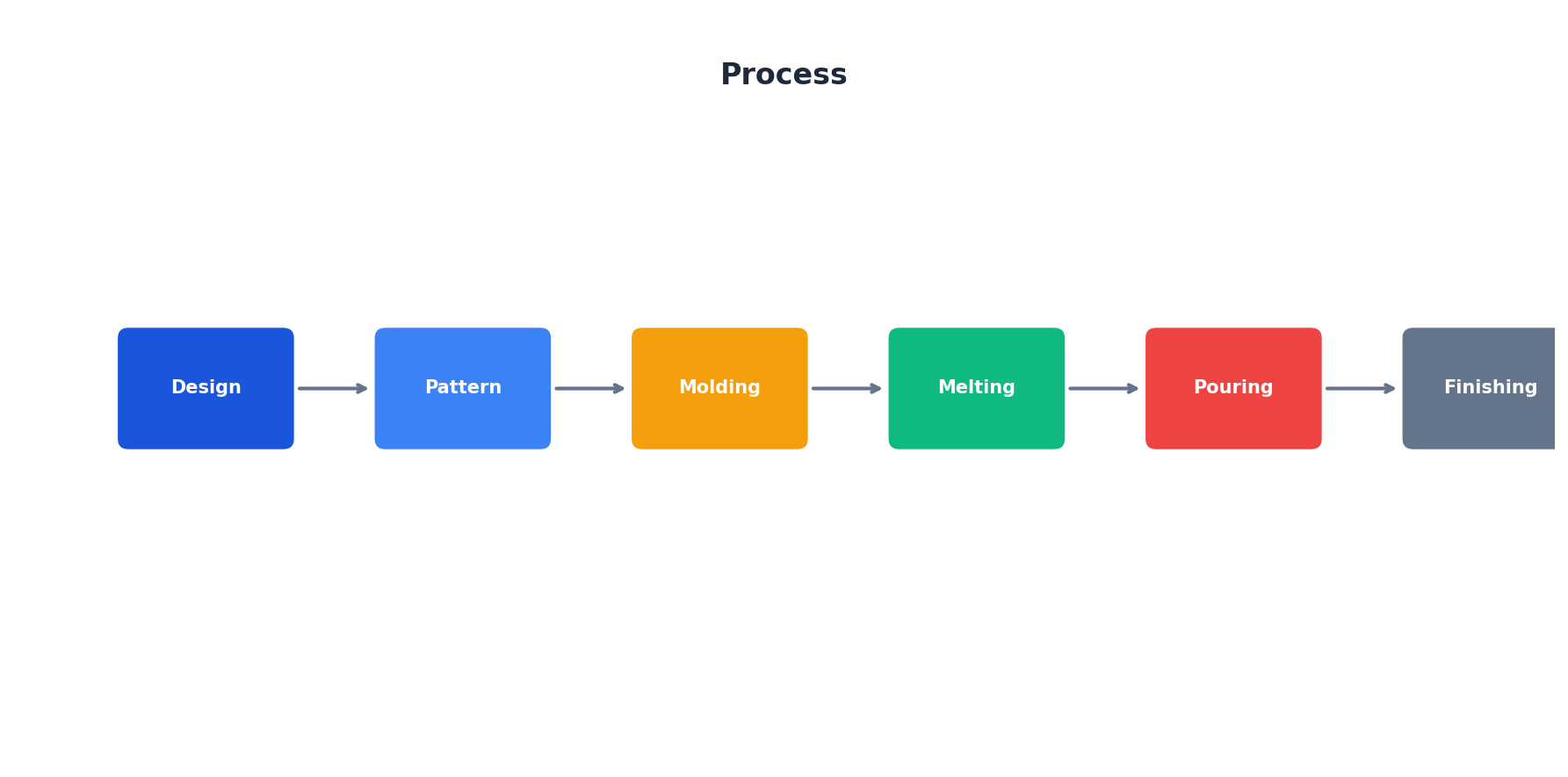
Before you sign that next PO, run the six-layer QC stack — chemical analysis, mechanical testing, NDT, hydrostatic testing, dimensional verification, and traceability. Vet the supplier like it's the only thing standing between you and a client call you don't want to make. Negotiate total cost, not unit price. And if the quote is more than 25% below market, treat it as risk, not gift.
I've built a buy-side QC checklist for castings from this exact process — it's the same format I used when I ran procurement for a Houston valve manufacturer. If you're sourcing castings for the first time, it'll save you from learning the expensive way.
And if you're stuck on a specific decision — alloy, process, supplier audit, or how to read a test report — send me a note. I've walked more foundries than I can count, and I'm happy to point you in the right direction.
Your move: take that checklist, put your supplier's name at the top, and run it before you wire the deposit. Not after. Before.
Ready to source pump and valve castings without the guesswork?
Get the same buy-side QC checklist that keeps $86,000 failures off your plate. Free download, no email required.
Download the Casting QC Checklist