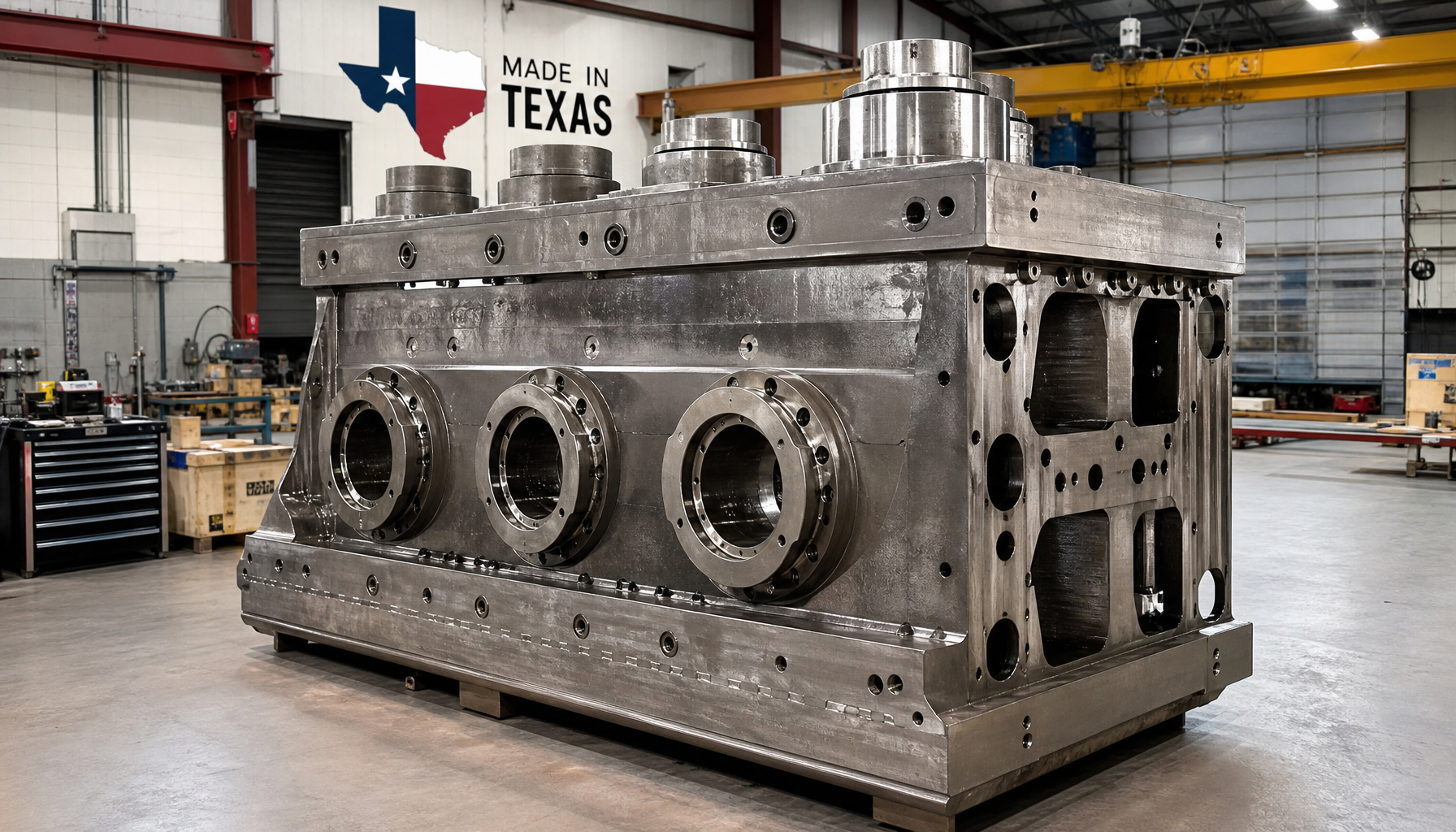
Forty percent. That's the number that keeps coming up when drilling contractors talk about unscheduled rig downtime along the Gulf Coast and the Permian. Field reports on mud pump failures aren't always clean, but the pattern is consistent: somewhere between 30% and 40% of unscheduled pump downtime traces back to the fluid end module — the valve seats, valve bodies, liners, and the pressure-containing block itself. Not the engine. Not the drive train. The parts that sit in the mud path and take the punishment.
And here's the part that doesn't show up in the downtime chart: most of those failures weren't bad luck. They were bad parts — castings with micro-porosity in the wrong spot, heat-treatment batches that didn't hit the hardness window, or a "commercial-grade" alloy that looked right on paper but didn't have the impact properties for cold-weather operation.
I've spent 15 years buying this stuff for drilling contractors, and I've watched the same mistakes cost operators anywhere from $8,000 for a failed valve seat (parts + labor + fluid loss) to $120,000+ when a fluid end block cracks at 5,000 psi and takes three days of rig time to replace. This guide walks you through what to spec, how to vet a casting supplier, and where to push on price without pushing a foundry into cutting corners.
Before we get into sourcing, it's worth understanding exactly why these parts fail. Because if you don't know the failure mode, you can't write a competent PO.
Why Fluid Ends and BOP Wear Parts Fail — It's Not What You Think
Ask most purchasing managers what kills a valve seat or a BOP ram block and they'll say "wear." That's half right. The other half is fatigue — and fatigue is where casting quality becomes a life-or-death issue.
Let's break down the three dominant failure modes for the parts you care about:
- Erosion-corrosion. Drilling mud carries solids — sand, cuttings, lost-circulation material — at velocities that can exceed 30 ft/sec across a valve seat face. Every particle is a tiny cutting tool. In a 12.5 ppg (pounds per gallon) mud, the erosive energy scales roughly with the cube of velocity. Double the pump speed, and you get roughly 8x the erosion rate. This is why valve seats fail faster on the high-speed pump setting.
- High-cycle fatigue. A triplex mud pump runs at 200–300 SPM (strokes per minute). That's over 14 million pressure cycles in a 30-day drilling month. Every stroke sends a pressure spike through the valve seat, the fluid end block, and the BOP seals. Any internal casting discontinuity — micro-shrinkage, non-metallic inclusions, a cold shut — becomes a stress riser under 14 million cycles. The crack starts small. By the time you hear it, the seat is already scrap.
- H2S embrittlement (sour service). If you're drilling in West Texas, the Delaware Basin, or parts of the Gulf of Mexico, your mud can carry hydrogen sulfide. In sour environments, hardness is the enemy. Above roughly 22 HRC, carbon and low-alloy steels become susceptible to sulfide stress cracking. That's why the ASTM spec on paper matters less than the actual heat-treatment batch — a foundry that cheats the tempering process to save furnace time can ship a part that is catastrophically wrong for the service.
A 2019 study of pump downtime in the Marcellus and Permian plays — published by the International Association of Drilling Contractors (IADC) — found that fluid end failures accounted for roughly 35% of all rig pump downtime across the tested fleet. The same study flagged "quality consistency from the original equipment manufacturer" as the single biggest variable in valve seat service life. Some operators got 400 hours out of a seat set; others got 200. Same pump, same mud, different part quality.
Translation for you: if you're buying castings on price alone, you're not saving money. You're buying more downtime. And downtime in today's market costs $50,000–$90,000 per day on a modern AC-drive rig.
What the Right Casting Spec Actually Looks Like
Here is the part that separates a real oilfield buyer from someone who just "orders parts." You need to know the material, the heat treatment, and the inspection requirements cold. And you need to put all three in writing on every PO.
Material Grades You'll Actually Use
| Component | Common Spec | Typical Chemistry | Heat Treatment |
|---|---|---|---|
| Fluid end block (pump body) | ASTM A148 Grade 90-60 | 0.30C / 1.5Mn / 0.6Ni / 0.9Cr / 0.4Mo | Quench & temper (1200–1400°F) |
| Valve seats & valve bodies | ASTM A148 Grade 950-1050 or 4140-type | 0.38–0.43C / 0.75–1.0Mn / 0.8–1.1Cr / 0.15–0.25Mo | QT to 285–341 HBW |
| BOP ram blocks & shearing inserts | ASTM A148 Grade 90-60 or 17-4PH (specialty) | Low alloy or precipitation-hardening SS | QT / age-hardened per API 16A |
| BOP wear bushings / wear plates | ASTM A487 Class 8N or 4330-type | 0.28–0.33C / Ni-Cr-Mo | QT to 241–302 HBW |
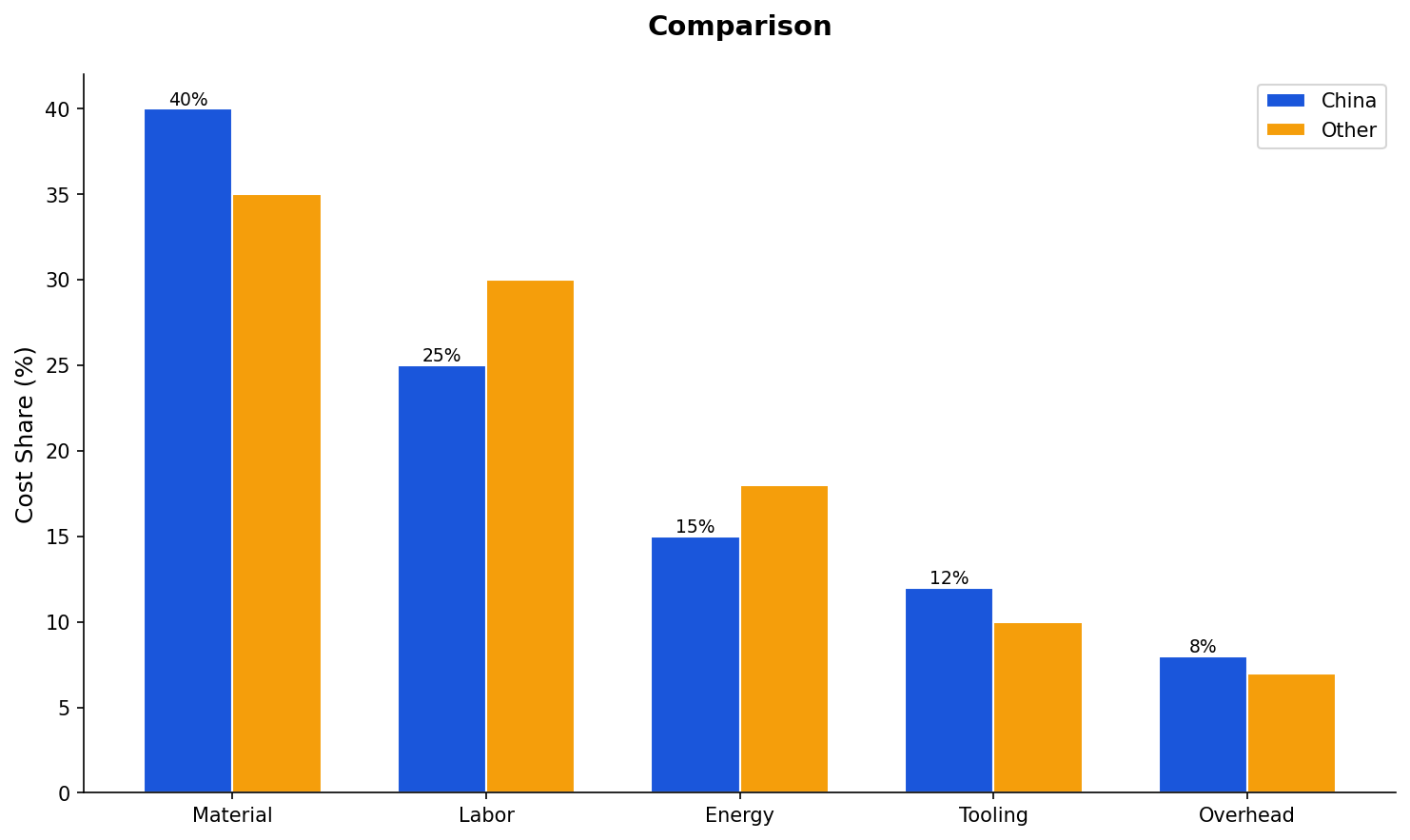
Notice what's not in this table: no "commercial grade," no "equivalent to OEM." If a supplier's quote says "or equivalent" without naming the exact grade, red flag. I've seen quotes come back from Chinese foundries offering "similar material to 4140" — and when we checked the mill cert, the molybdenum was 0.12% instead of 0.25%. That's a part that will crack inside a 2,500-hour valve life.
Mechanical Property Minimums (Non-negotiable)
Pull these directly from the applicable ASTM standard, then add your own buyer requirements. The industry baseline for fluid end components:
- Yield strength: 60 ksi minimum (Grade 90-60), often 85 ksi for high-pressure fluid ends.
- Elongation: 18% in 2" minimum. If you're working a sour service spec, make sure the NACE MR0175/ISO 15156 requirements apply on top of this.
- Impact toughness: 15 ft-lb averages at -20°F for cold-weather operation. For offshore and Arctic applications, expect 20+ ft-lb at -40°F. Skipping Charpy V-notch testing is the most common shortcut foundries take, and the most dangerous.
- Hardness: 285–341 HBW for valve seats; 241–302 HBW for BOP components. In sour service, cap hardness at 22 HRC (about 237 HBW) per NACE requirements.
If your foundry says "Charpy testing isn't required for this grade," they're telling you they don't want to invest in the testing equipment. Get a different foundry — or accept that you're buying a lottery ticket with part survival as the prize.
Sand Casting vs Investment Casting vs Centrifugal: Which One Do You Actually Need?
Foundry salespeople will happily sell you whatever process they have in their shop. Here's the no-nonsense breakdown from a buyer's perspective.
Sand Casting
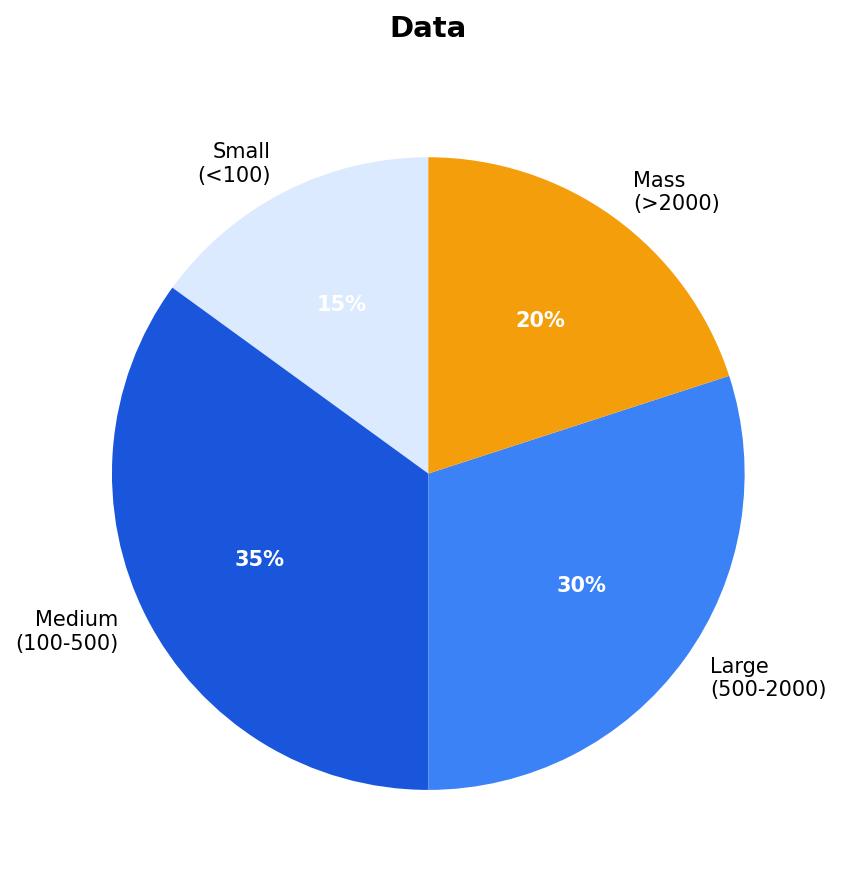
The workhorse. For large fluid end blocks, valve bodies, and BOP bodies, sand casting (often resin-bonded or V-process) is the only economically rational route. Tolerances are forgiving — typically ±1/8" on larger dimensions — and the surface finish is rough (250–500 RMS) so you'll need machining. On the plus side, it's the cheapest route per pound and can handle the 1,000–4,000 lb castings that make up a fluid end module.
But: sand casting delivers more porosity and inclusion risk. That's not a deal breaker if the foundry does proper gating design and NDT, but it's exactly why you need UT and radiography on critical sections.
Investment Casting (Lost Wax)
For valve seats, valve bodies, BOP ram block inserts, and small wear parts, investment casting (lost wax) wins on several fronts: surface finish is dramatically better (125–250 RMS), tolerances are ±0.005" per inch, and the finer grain structure from rapid solidification improves fatigue life. You pay a premium of 15–30% over sand casting, but you also get closer-to-net shape, which means less machining waste and better material density in thin sections.
From the field: a major Gulf Coast operator switched valve seats from sand casting to investment casting in 2022 and reported a 60% increase in average seat life — from roughly 250 hours to over 400 hours. At $700–$1,200 per seat set, that math changes your cost per operating hour dramatically.
Centrifugal Casting
Used mainly for pump liners and large cylindrical wear components. Centrifugal casting produces dense, clean microstructure because the molten metal is thrown outward against the mold, pushing inclusions and gas to the inside. You'll see this process in duplex stainless liners for horizontal pumps, but rarely on the valve train of a triplex pump. If a supplier suggests centrifugal casting for your valve seats, ask why — it's not wrong, but it's overkill for most seat geometries.
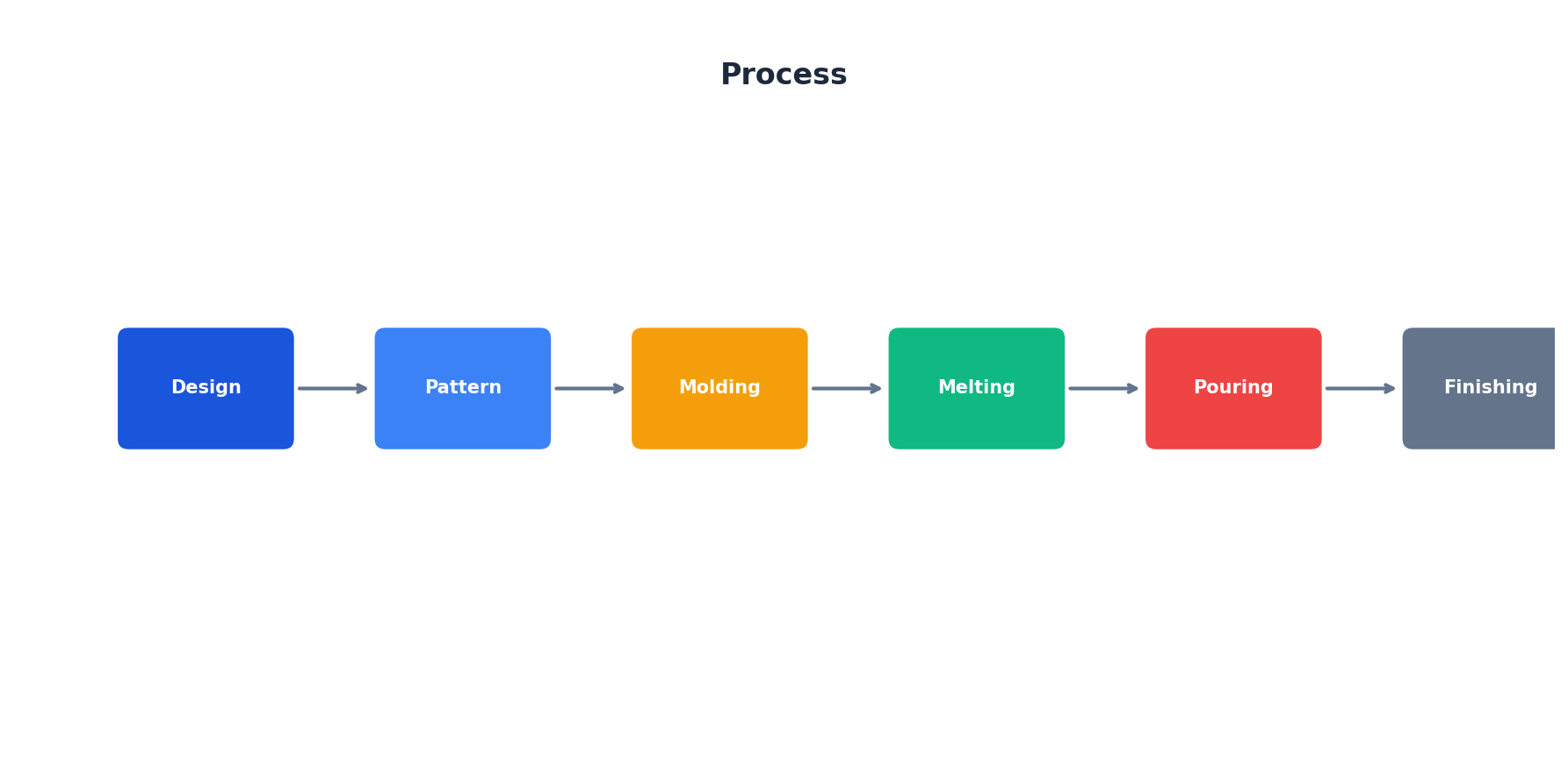
The buyer's takeaway: For the vast majority of mud pump fluid end and BOP wear parts, investment casting is the right standard for small components; sand casting is right for big structural pieces. If a supplier only does one process and insists "it's all the same," walk away or dig a lot deeper.
Inspection Requirements That Protect You (and Your Rig)
You can't see internal porosity with a flashlight. That's why the certification package — the paperwork trail — is as important as the part itself. Here's the minimum inspection matrix you should specify on every PO:
| Inspection | Target Parts | Acceptance Criteria |
|---|---|---|
| Chemical analysis (OES) | All heats | Element-by-element within spec, on the cert |
| Tensile test & Charpy V-notch | One set per heat per test bar | YS, UTS, elongation, impact per spec |
| Hardness test (Brinell or Rockwell) | Each part, 3+ locations | Within agreed range; max variation ±15 HBW across part |
| Magnetic particle (MT) | All critical surfaces | No linear indications > 1/16"; no rounded indications > 3/16" |
| Ultrasonic (UT) | Fluid end blocks, critical sections | ASTM A609 / AMS 2630; typically no defects > 1/8" flat-bottom hole |
| Radiography (RT) | BOP bodies, valve seats (sampling) | ASTM E446 / E186; accept per class 2 or better |
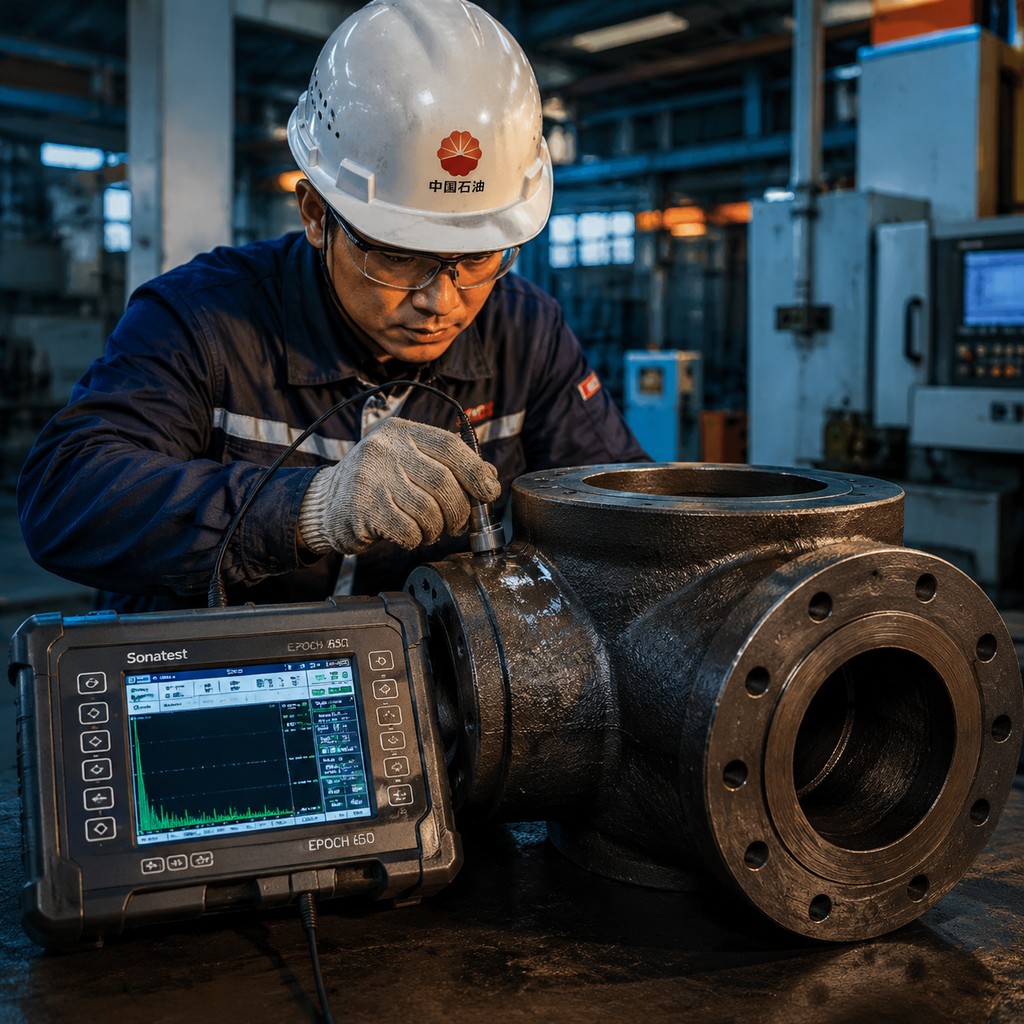
One thing I learned the hard way: always request weld repair records. Many foundries grind out casting defects and weld-repair them before final heat treatment. That's legitimate if done correctly with an approved WPS (welding procedure specification). But if you don't ask, they'll ship the part without telling you it's been welded — and the weld area becomes a weak point in cyclic service. Get the weld map, the repair depth, and the post-weld heat treatment (PWHT) verification in writing.
How to Vet a Casting Foundry: The 7-Point Audit
You've got the spec. Now: who do you give the order to? Here's the exact checklist I use when qualifying a new casting supplier — use it as a starting template.
- Certification reality check. ISO 9001:2015 is the entry ticket. But ask specifically about API Q1, API 7K, and API 16A scope certs. A foundry holding API 16A certification has been audited on BOP-critical processes. That matters.
- Melt source verification. Ask about their melting equipment — induction furnace capacity, pour size, and if they use AOD/VOD refining for high-alloy grades. A foundry with dual melt capacity can produce cleaner steel and better final properties.
- Heat treatment furnace tracking. Modern foundries use PID-controlled furnaces with full data logging. Check that their furnace can be validated to AMS 2750 (or equivalent) for temperature uniformity. If they don't log furnace data, they can't prove they did the heat treatment.
- Testing capability in-house vs outsourced. Some foundries outsource all NDT. That's fine if they have a qualified subcontractor, but it adds lead time. Prefer foundries with in-house MT and UT so you can witness the inspections during a visit.
- Production capacity that matches your demand. A foundry producing 50 tons/month of commercial castings can choke on a 10-ton oilfield order. Look for a dedicated oilfield production line or at least cleanly separated production scheduling.
- References in your product class. Never ask for "customer references" — ask specifically: "Who buys your mud pump valve seats?" Verify with at least one current customer, ideally an independent distributor or drilling contractor. If they claim not to have oilfield customers, they are not a qualified supplier for you.
- Responsiveness and engineering support. Call them before placing a PO and ask a deep technical question about gating design or post-cast heat treatment. If the salesperson can't transfer you to an engineer, you've learned exactly how much engineering support you can expect during production.
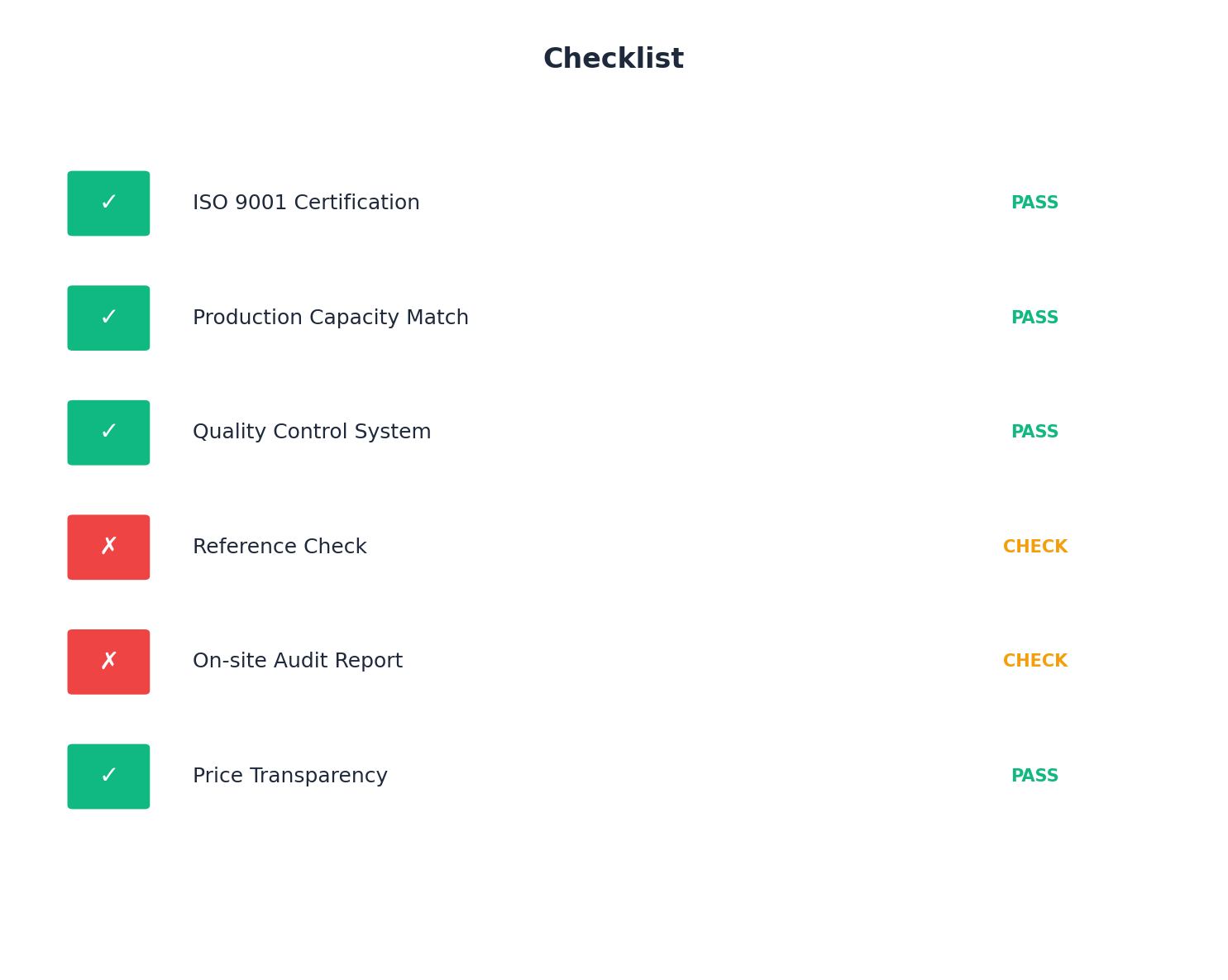
And no, you're not being paranoid. I've personally walked into "API certified" foundries in China and seen the API certificate framed on the wall while the production floor was pouring a heat of material that did not match any documented chemistry. The certificate is proof of audit on a specific date — not proof of ongoing compliance.
The Real Cost Structure: What You Should Pay (and Where Prices Can Be Shaved)
Let's talk money. Prices vary dramatically by market cycle, but here's the honest landscape for 2025–2026:
- Valve seats (investment cast, 4"-6"): $35–$60 per piece for commercial-grade 4140-type material at low volumes. Prices fall into the high-$20s when you commit to annual volume of 5,000+ pieces.
- Valve bodies (cast steel, machined): $75–$140 per piece depending on size and finish requirements.
- Complete valve seat + valve body sets (aftermarket): $800–$1,500 per pump set (six seats + six bodies for a triplex pump) from quality suppliers with MT/UT, full materials certs.
- BOP ram blocks (cast & machined): $600–$1,800 per block for 13-5/8" size, depending on seal type and shearing capability.
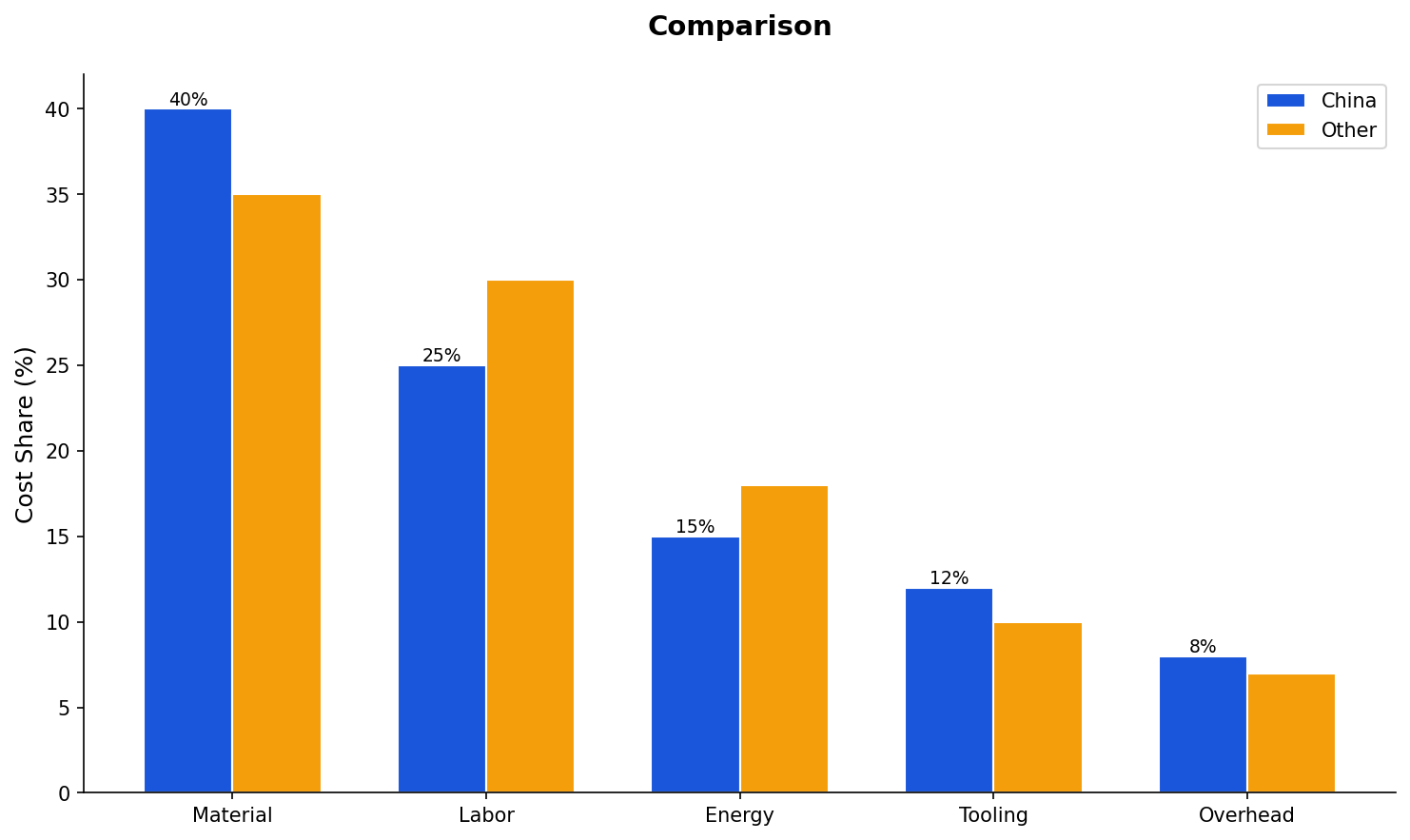
Here's the part most buyers get wrong: the foundry's cost to make these parts is heavily weighted toward two things — heat treatment cycle time and yield (how many good castings per pour). A foundry that cheats heat treatment (by reducing temper time because the furnace is booked), or one that skips the first article inspection, can undercut legitimate competitors by 10–20%. But you're the one who pays when the part fails at hour 200.
Robert Davis, a drilling contractor in Midland, Texas running a five-rig operation, put it bluntly when I asked him about aftermarket castings vs OEM parts: "I don't need the OEM part. I need the OEM spec. I've had $800 valve sets from a Chinese foundry that wore like they were made of butter, and I've had $1,200 sets that ran 800 hours. The difference was never price — it was whether the foundry actually followed the heat treatment curve and did the NDT they said they did."
Robert's rule of thumb: always ask the foundry for the actual heat treatment curve and the actual test results — not just a certificate. If the certificate only states "quench and temper" without a temperature range, it's meaningless.
"I've told a foundry, 'I'll gladly pay the extra $4 per seat if you can show me real Charpy results at -20°F.'" Davis said. "You'd be surprised how many suddenly stop returning emails."
Negotiation angle: Instead of pushing for the lowest unit price, push for a longer warranty on failures, or for free third-party NDT at the foundry. The foundry will often throw in a witness inspection or extend warranty terms because it costs them less than cutting the price — and you get a stronger guarantee, which is worth 10x more than saving $2 per seat.
Six Mistakes Buyers Make with Fluid End and BOP Castings
- Buying the cheapest lot to "test the supplier." A low-price trial order doesn't test the supplier's real capabilities — it tests how they cut corners when they know you're watching the price. Run a full-spec trial order at a fair price, and only then negotiate cost.
- Trusting a material certificate without verifying the heat number. A cert is a piece of paper. If the heat number and the part's casting stamp don't match, the quality system has failed somewhere. Check it on receiving.
- Not specifying seat hardness as a range with max variation. If the foundry runs the heat treat too high, they hit 410 HBW, the part is brittle, and it cracks under impact load in 2 hours. Specify 285–341 HBW and inspect inbound.
- Ignoring finishing and machining context. A good casting can be ruined by poor machining. The squareness of the valve seat face, the concentricity of the bore, and the surface finish in the seating area directly affect seal life. Hold your machinist or supplier's machining arm to the same tolerance standard as the casting itself.
- Using one "multi-product" foundry for everything. The foundry that makes great high-volume pipe fittings is rarely the right choice for a BOP shearing ram. Check foundry specialization per product family.
- Skipping the receiving inspection. I've seen parts come in with paint jobs that conceal rough casting surfaces and weld repair areas. Bare castings are easier to inspect; 100% dim check the critical dimensions and run a quick hardness test before it goes into inventory.
FAQs
What material is used for mud pump fluid end castings?
Most fluid end components use low-alloy steel castings per ASTM A148 — Grade 90-60 or 950-1050 for larger blocks. Valve seats and bodies typically use 4140/4330-type chemistry. For sour gas (H2S), specify NACE MR0175/ISO 15156 compliance with hardness capped at 22 HRC.
What is the difference between sand casting and investment casting for oilfield wear parts?
Sand casting is more economical for large structural parts and produces rough surfaces and looser tolerances (±1/8"). Investment casting delivers near-net shape with 125–250 RMS surface finish and ±0.005" tolerances — ideal for valve seats and BOP inserts. Expect a 15–30% cost premium for investment casting, but better fatigue life from the finer grain structure.
What inspections should be performed on mud pump fluid end castings?
Minimum required: chemical analysis, hardness testing, MT on critical surfaces, and UT for internal soundness. For BOP components, add RT on the pressure-containing areas. Verify heat treatment records and mechanical test coupons traceable to the heat number.
How do I qualify a new casting supplier for oilfield components?
Verify ISO 9001 and API scope certifications (API Q1, 7K, or 16A). Place a full-spec trial order with NDT and dimensional requirements. Conduct an on-site audit covering melt source, furnace calibration, weld repair procedures, and traceability. Use third-party inspection on the first batch.
Why do mud pump valve seats fail so quickly?
Valve seats fail primarily from erosion-corrosion combined with high-cycle fatigue. Fine solids in the mud erode the seat face, and internal casting micro-defects become stress risers under the 200–300 SPM pressure cycles. Material hardness inconsistency and skipped NDT dramatically shorten life.
Next Steps: What to Do Before You Place Your Next PO
You have enough here to make an immediate upgrade in how you buy castings. Want a concrete place to start? Do these three things this week:
- Pull the actual ASTM A148 (or A487) spec for the part you're buying right now. Cross-check the mechanical property table against the certificates you accepted on your last order.
- Dig out the heat treatment records from your current supplier. Do they show actual furnace temperatures in a logged chart, or just a one-line "WT" note?
- Send your current supplier a written request for Charpy V-notch results (at -20°F) on the material used for valve seats. Watch how they respond.
If they push back or give vague answers, that's your answer. Time to look elsewhere.
If you're trying to qualify a new foundry and need someone on your side of the table — with hands-on audit experience and no supplier loyalty — that's what we do. We help drilling contractors and oilfield distributors assess foundries, build component specs, and verify parts before they ship. No hype, no commissions from foundries. Just procurement done right.
Get Your Free Mud Pump Fluid End Component Sourcing Spec Template
Send us your current part number and we'll send you a printable spec template covering material, heat treatment, NDT, and acceptance criteria — plus our foundry audit checklist.
Download the Sourcing Spec Template