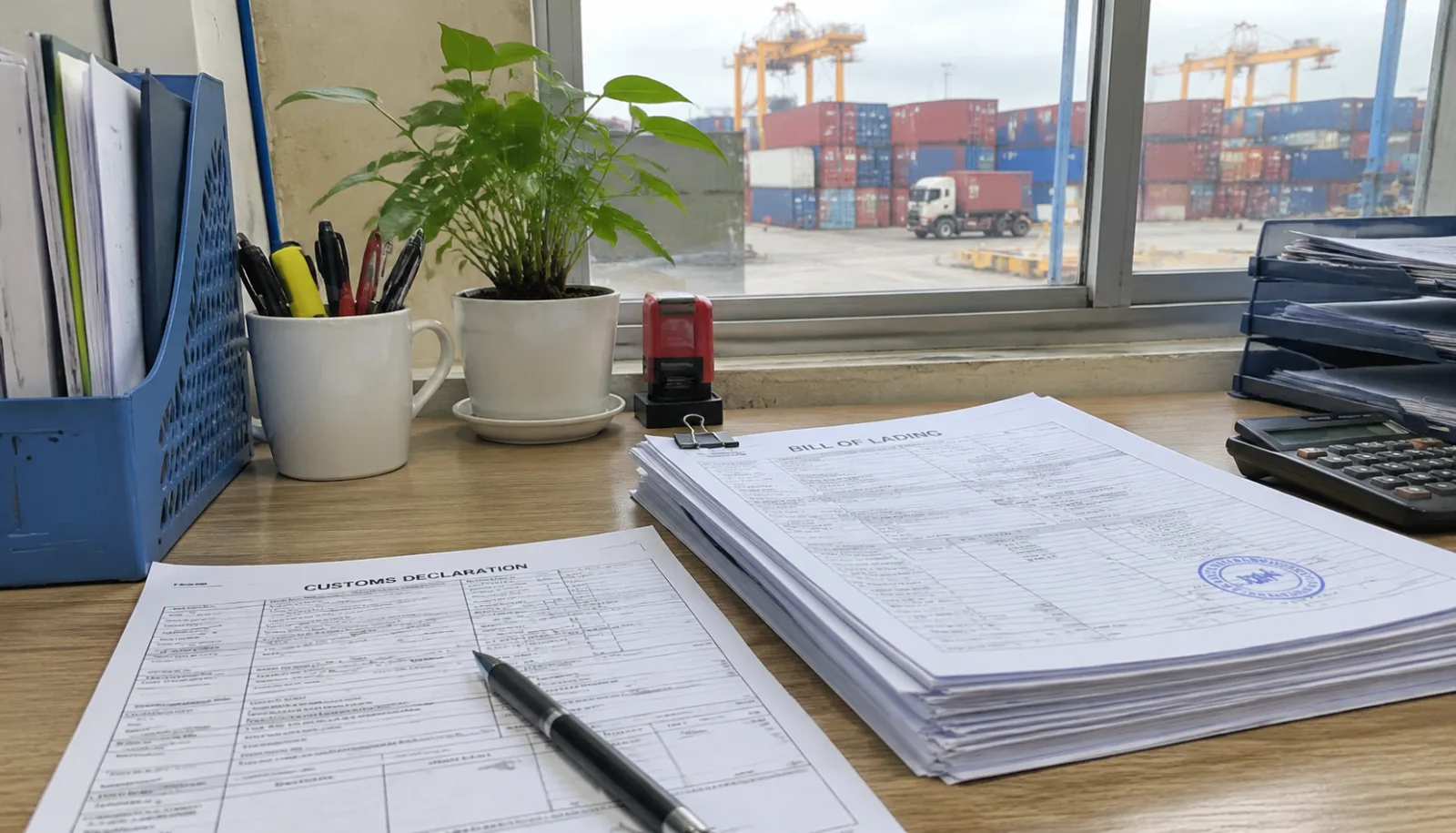
Most buyers spend their verification effort on the factory and almost none on the entity that will appear on the paperwork. That is a gap, because the entity on the documents is the entity you can actually hold to account.
The situation is common and entirely legitimate: a foundry without foreign trade registration exports through a trading company, or a trading company sources from three foundries and exports in its own name. Neither is a problem in itself. It becomes a problem when the buyer assumes they are contracting with a factory and discovers otherwise at the point of a claim.
The three entities in a typical casting transaction
| Entity | Role | Appears on |
|---|---|---|
| Manufacturer | Makes the casting | Material certificate, NDT report, sometimes the packing list |
| Exporting entity | Sells and ships | Contract, commercial invoice, bill of lading as shipper |
| Freight forwarder | Moves the goods | House bill of lading, booking confirmation, customs broker filings |
When all three are the same company, life is simple. When they are different, you need to know which one you contracted with, because that is the one your remedies run against.
A detail buyers frequently miss: the material certificate must be issued by the manufacturer, not the exporter. If your EN 10204 3.1 carries the trading company’s name and address, it is not a valid 3.1 as defined by the standard, regardless of who actually poured the metal.
What export registration actually covers, and what it does not
Chinese companies need to be registered for foreign trade operations and complete customs registration to declare exports in their own name. That registration covers the company’s ability to export goods within its business scope. It is not a quality certification, not a product approval, and not evidence of experience.
So the presence of export rights tells you one thing only: the entity can legally be the shipper. It does not tell you the foundry behind it can make your part, which is a separate verification covered elsewhere.
Two things worth asking about the exporting entity specifically:
- How long has it been exporting? A registration from last year and a claimed fifteen years of export experience do not describe the same company.
- Is it part of the same group as the factory? Group structure matters for enforcement, because a claim against a sales entity with minimal assets recovers very little.
Why the contracting entity decides your leverage
Consider the practical difference when a lot is rejected on arrival.
If you contracted with the factory, the party owing you a remedy also owns the plant, the tooling and the production you want corrected. They have an ongoing interest in the relationship and something at stake you can point to.
If you contracted with a trading company, the party owing you a remedy may have a small office, thin assets and a commercial relationship with the factory rather than control over it. Recovery is possible but slower, and the practical outcome often depends on the trader’s goodwill and their own leverage with the plant.
This does not mean avoid trading companies. Good ones exist, add real value in consolidation and documentation, and are often more responsive than a factory. It means know which you are buying from, and price the risk accordingly — a modest premium for a contracting entity with assets is usually cheaper than a discount from one without.
The documents to ask for
| Document | What it establishes |
|---|---|
| Business licence | Registered name, business scope, establishment date |
| Foreign trade operator registration | Authority to conduct import and export |
| Customs registration certificate | Ability to declare in own name |
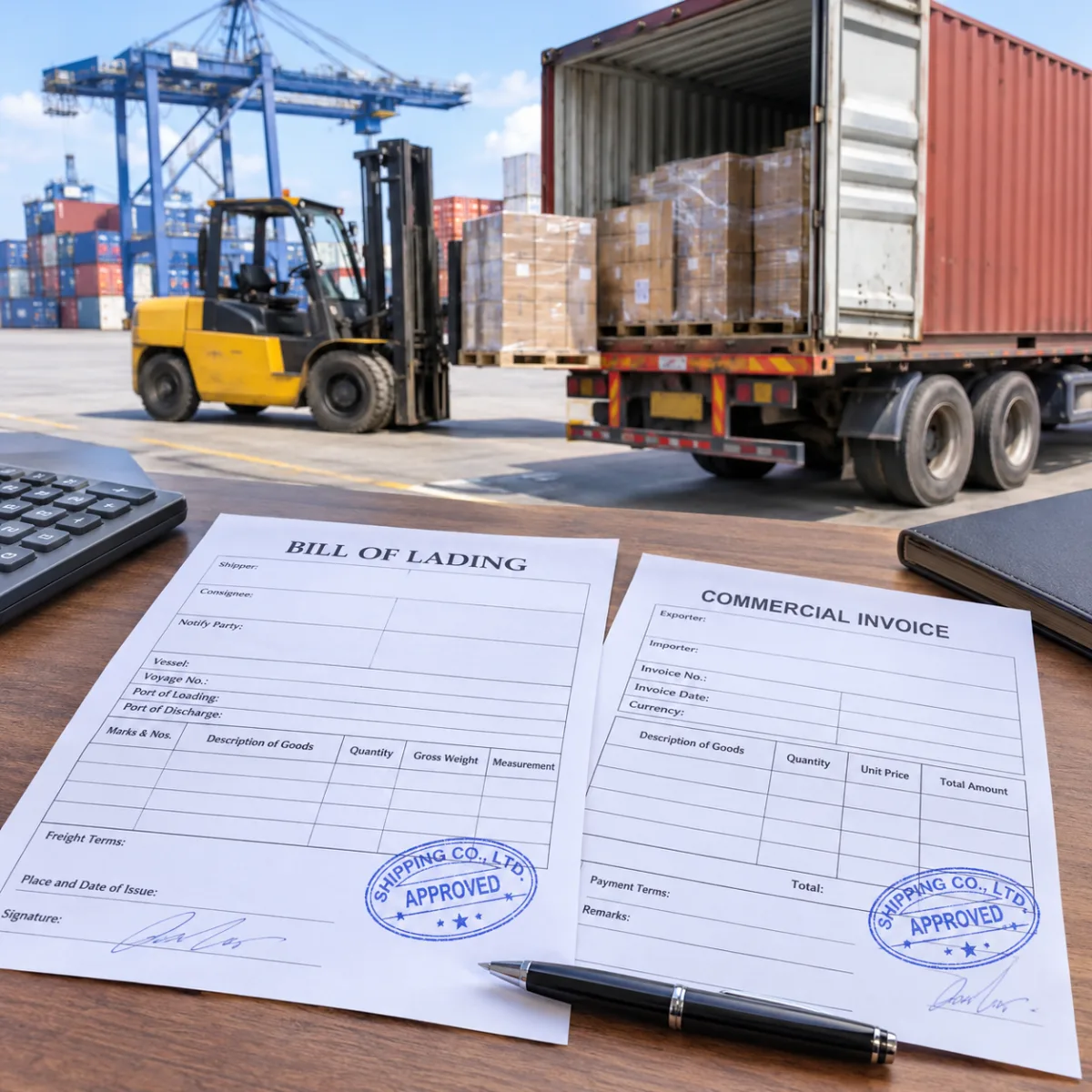
| Sample bill of lading from a recent shipment | Who actually appears as shipper in practice |
| Sample commercial invoice | Which entity invoices, and on what terms |
Ask for all five together and compare the names. Consistency across them is the signal you are looking for, and inconsistency is a conversation worth having before the order rather than after.
Incoterms, and the entity they bind
Incoterms define where risk and cost transfer, and they bind the named contracting party. Two errors recur in casting orders:
- An Ex Works term with a factory that cannot export. If the term is EXW and the contracting party is a foundry without export rights, the buyer’s forwarder must handle export declaration, which is possible but places obligations on you that you may not expect.
- FOB with a shipper who is a different entity from the seller. The bill of lading shows the shipper, and banks checking a letter of credit will compare the shipper and the invoice issuer. A mismatch produces document discrepancies and delayed payment.
The simple control: name the contracting entity, the shipper and the invoice issuer explicitly in the purchase order, and require that all three are the same company or that the difference is disclosed and approved.
Country-specific documentation
Export rights are only half the paperwork question. Many destinations require product-specific documentation that the exporter must be able to produce:
- Certificates of origin, including preferential forms where a trade agreement applies.
- Conformity certificates for regulated markets — for example SASO/SABER for Saudi Arabia, or CE-related documentation for the EU where the product falls in scope.
- Test reports from accredited laboratories where the destination requires them at import.
An exporter that has shipped to your market before will have these processes in place. One that has not will discover the requirement at the port, which becomes your delay.
Five questions before the first order
- Which legal entity will be the seller on the contract and the invoice?
- Which entity appears as shipper on the bill of lading?
- Is the seller the same company as the plant that will make the casting? If not, what is the relationship?
- Can you show a recent bill of lading and invoice so I can see the names?
- Who handles the destination-specific documentation, and have you shipped to my market before?
These take one email to answer and they determine who you can hold responsible, which is the whole point of a contract. A supplier who answers them clearly is a supplier whose paperwork will not surprise you at the port.
Related verification pages
Confirm the exporting entity first
Tell us the destination and the terms you buy on, and we will confirm in writing which entity issues the documents, which entity appears as shipper, and how a warranty claim would be handled across the border.
Prefer email? cfwc@163.com · WhatsApp +86 159 4126 7000