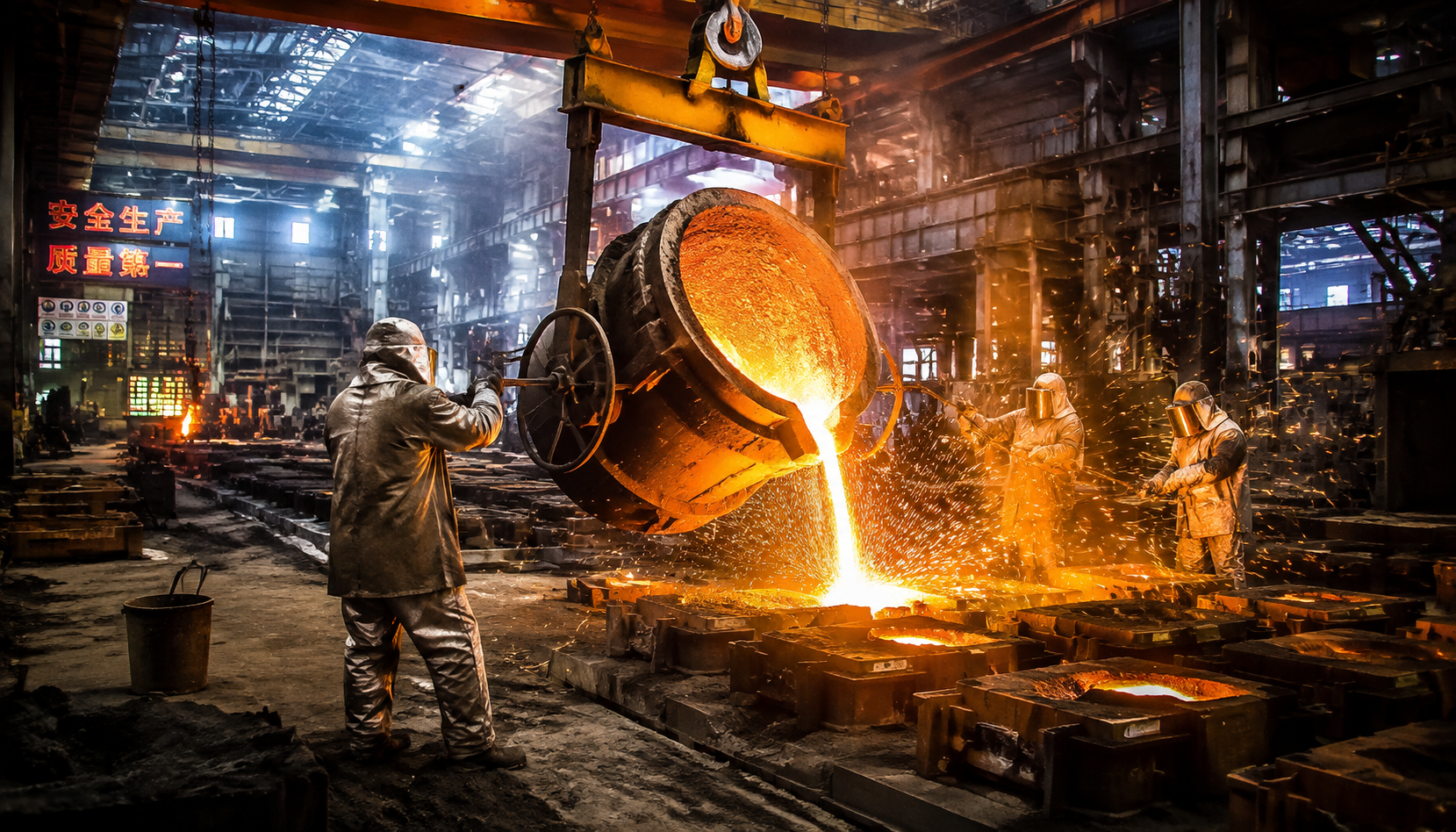
Foundry sourcing
China valve casting factory: 7 checks I run before placing an order
The foundry rep was friendly. His WeChat replies came back in minutes. His ISO 9001 certificate, forwarded as a clean PDF, looked authentic at first glance.
That's how I ended up standing in a Ningbo warehouse in March, staring at 47 rejected API 6A valve bodies worth about $47,000 — including the wasted machining time and the six weeks of schedule slip that followed.
What cost me $47,000
The order looked solid in theory. 1,200 gate valve bodies, ASTM A216 WCB, headed to a Texas distributor. The foundry said they'd done API work before. "No problem" was their answer to every question.
Then the first article inspection came back:
- 7 of 48 samples failed magnetic particle testing — crack indications on the body wall
- Carbon measured 0.32%, above the 0.30% max for WCB
- Two of five Charpy samples tested under 20 J at −29°C, below the minimum energy requirement
I asked for their melt records. That's when the "no problem" factory suddenly had "trouble" locating them. The heat numbers on the test certificates didn't match the production castings. The mill certificates were photocopies of photocopies. My quality engineer spent two weeks pulling the thread, and it kept unraveling.
The factory didn't lack equipment. They lacked the discipline to use it, and I lacked the checklist to see that before I signed.
Since then I've vetted dozens of China valve casting factories. The seven checks below are the ones that separate a real foundry from a sales team with a rented warehouse.
First, some scale. China poured roughly 50–55 million tonnes of castings in 2024 — about half the world's output, per China Foundry Association estimates (±15%). Valve castings cluster heavily in Wenzhou's Oubei district and around Ningbo, where you'll find hundreds of foundries within a short drive. That density cuts both ways. A big pool doesn't mean clean water — it just means you need a better filter. These seven checks are that filter.
Check #1: Verify the certifications — don't trust a PDF
Certifications in China are often treated as marketing assets. A factory can buy an ISO 9001 certificate from dozens of certifying bodies of wildly varying credibility. So my first check is simple: verify the certificate exists at the issuing body, then check that the scope matches the work.
Here's the certification stack, from minimum to serious:
- ISO 9001:2015 — A quality management system certificate. It tells you the factory has documented processes. It doesn't tell you the castings are good. Treat it as table stakes.
- API Q1 — The quality management specification for petroleum and natural gas equipment. Requires a more rigorous system than ISO 9001, including risk assessment and contingency planning.
- API 20A — This one's the actual big boy. It's the specification for carbon steel, alloy steel, and stainless steel castings used in petroleum equipment. A foundry holding API 20A has been audited for its casting process, heat treatment, NDT, and traceability by an accredited body.
- API 6A — A product specification for wellhead and Christmas tree equipment. Important if the castings go into the wellhead assembly. But note: API 6A applies to the equipment manufacturer, so you need to know whether the foundry is the 6A holder or a casting supplier to one.
- PED 2014/68/EU — Required for CE-marked pressure equipment going into Europe. German and Italian valve buyers almost always ask for it.
Verify each number on the API Composite List. Look at what's actually in scope. I once checked a foundry that flashed an API Q1 number, and the directory showed the certificate assigned to a completely different company in another city. That foundry's "API certified" claim evaporated in about ninety seconds.
One more trap: check the certificate's plant address against the factory you're actually buying from. Chinese certificates often list a headquarters plant. If your goods ship from a "branch facility" that isn't on the certificate, the scope doesn't cover that location.
Check #2: Melt records are the foundry's receipt for quality
Certificates can be bought. Melt records can't be faked as easily, because they're generated at the furnace, heat by heat, and they chain together chemically and chronologically.
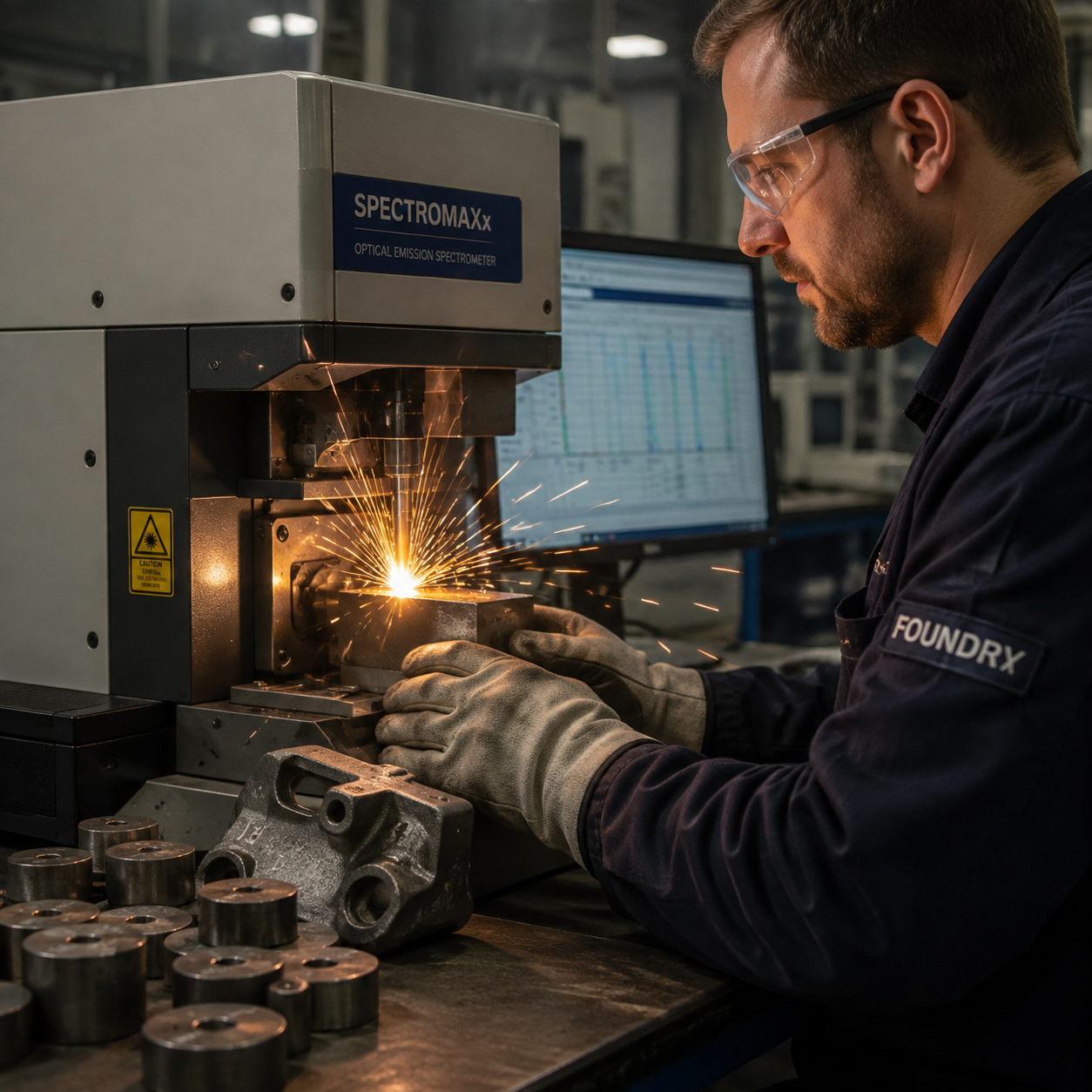
Ask for the melting procedure first. How do they charge the furnace? Do they use virgin melt stock or a percentage of recycled returns? What's the deoxidizing practice? Then ask to see the test certificates for the specific heat that poured your parts. The certificate should show five things:
- Heat number and date
- Chemical composition (C, Si, Mn, P, S, plus alloy elements)
- Tensile strength, yield strength, elongation
- Charpy impact values and test temperature
- Heat treatment type, temperature, and soak time
For ASTM A216 WCB, I run four numbers first: carbon, tensile, yield, and elongation. Limits are carbon 0.30% max, tensile 485–655 MPa, yield 250 MPa min, and elongation 22% min. If the certificate shows carbon sitting at 0.29% with no raw lab data behind it, I ask why the foundry is running so close to the edge.
The other thing to demand is heat-to-part traceability. The heat number on the certificate must match a marking on your actual casting, and the test coupons must have been cast and heat-treated in the same run as your production parts. If the foundry can't show you the mapping from heat to batch to final marking, your "traceable" order isn't traceable at all.
One caveat: some good smaller foundries don't issue a mill certificate for every single heat unless you're buying a full heat. They'll offer a "batch certificate" covering multiple heats. That's acceptable if the chemical range and mechanical limits are clearly documented, but I'd still flag it in the specification.
Check #3: The QC arsenal — what do they actually run?
A foundry's quality story is written in its lab equipment. When I tour a valve casting factory, I'm not looking for polished hallways. I'm looking at three rooms: the furnace control room, the heat treatment area, and the testing lab.
Minimum equipment I want to see:
- Optical emission spectrometer for melt chemistry. Check whether the surge protectors are connected and whether the calibration samples have dust on them. A spectrometer that's used daily is covered in wear. A pristine one might just be furniture.
- Carbon-sulfur analyzer for precise carbon control. Carbon is the single most controlled element in steel castings. If they rely on the spectrometer alone for carbon, that's normal for smaller shops. If they don't check carbon at all, walk.
- Universal tensile testing machine with a certified extensometer.
- Charpy impact tester if the spec requires impact values — many valve services do.
- Hardness tester (Brinnell or Rockwell).
Then ask for something specific: "Can you show me the raw stress-strain curve from the last tensile test, not just the summary line?" A factory doing real QC keeps the curves. A factory that only knows how to fill in the certificate gets nervous at that question. I've watched salespeople deflect, which tells me exactly how much QC is actually happening on the floor.
Check #4: NDT — who runs the test matters more than the test
Cast valve bodies fail in predictable ways. Shrinkage porosity hides at the wall junctions. Gas pinholes show up near the surface. Cold shuts and hot tears occur at thin-to-thick transitions. That's why NDT is non-negotiable for pressure-containing castings.
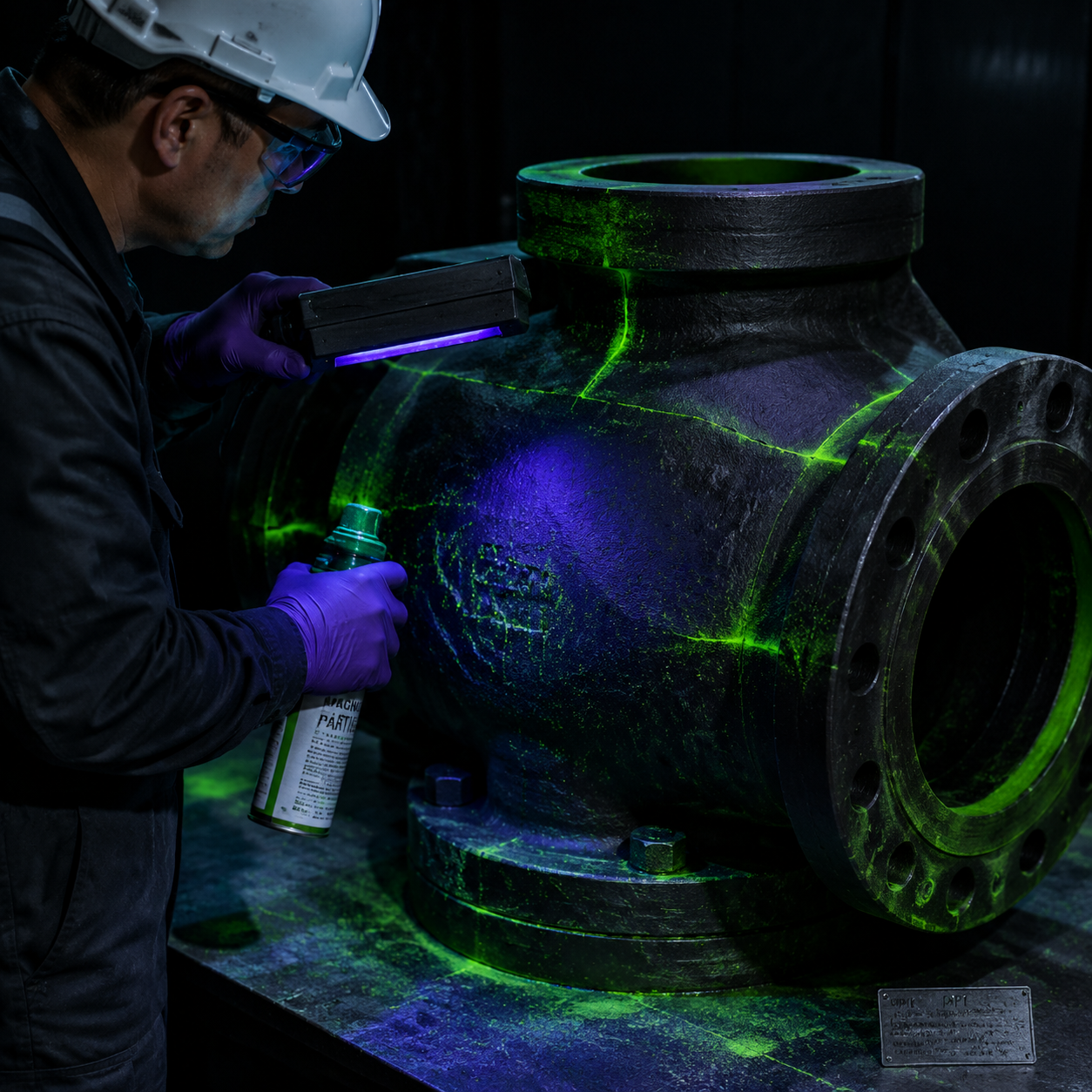
Here's the question that separates a serious foundry from a risky one: Who holds the NDT certificates?
- Level II certificates per SNT-TC-1A or ISO 9712 — ask to scan the certs. Check the technique codes (MT, UT, PT, RT) and validity status.
- Are the NDT operators on the foundry payroll, or do they bring in a contractor? If they use an agency, that's fine, but verify the agency's credentials and ask about witness and hold points.
- Third-party verification: For critical valve bodies, I insist on a Level III third-party inspector from a recognized agency (SGS, TÜV, Bureau Veritas, or a competent independent) witnessing UT/RT and the hydrostatic test.
On the hydrostatic test: demand a fixture where the test pressure and hold time are recorded on a chart recorder or logged digitally. Watch-out: some shops will do the test but "forget" to record it, then produce a hand-written slip nobody can verify.
And here's a practical tip that has saved me twice: specify the acceptance criteria in your purchase order. If your drawings say "MT in accordance with ASME Section V," the foundry will test to that. If you just say "do NDT" and the foundry uses a looser internal standard, you'll discover it after the parts land in Houston.
Check #5: The foundry audit — five things I look for
Auditing a China valve casting factory is different from auditing a Chinese machining shop. The core process is hot, heavy, and genuinely dirty. Here's what I focus on, in order:
- Melt shop capacity and furnace condition. How many furnaces, what tonnage, and how old are the linings? A 1.5-ton induction furnace with a cracked lining tells you more than the brochure.
- Heat treatment furnace and records. A heat treatment furnace with a chart recorder that nobody reads is worse than no furnace. Ask to see the last ten heat treatment logs. Are the soak times realistic? Are there gaps that suggest parts were pulled early?
- Sand system (for sand foundries, which is the vast majority of valve casting). Is the sand tested daily for moisture, permeability, and strength? If the muller is running on a "looks about right" approach, your dimensions will wander.
- Weld repair area. Casting repairs with welding are legal, common, and perfectly fine when done to a qualified procedure by certified welders. What you want to see is how many parts are sitting in the repair bay. If a quarter of production is in repair, the process quality is poor. Ask about their repair percentage. Honest shops will give you a number.
- The lab that gets used. I mentioned the dust test earlier. Push the button on the spectrometer. If it doesn't fire up immediately, it's not part of the daily process.
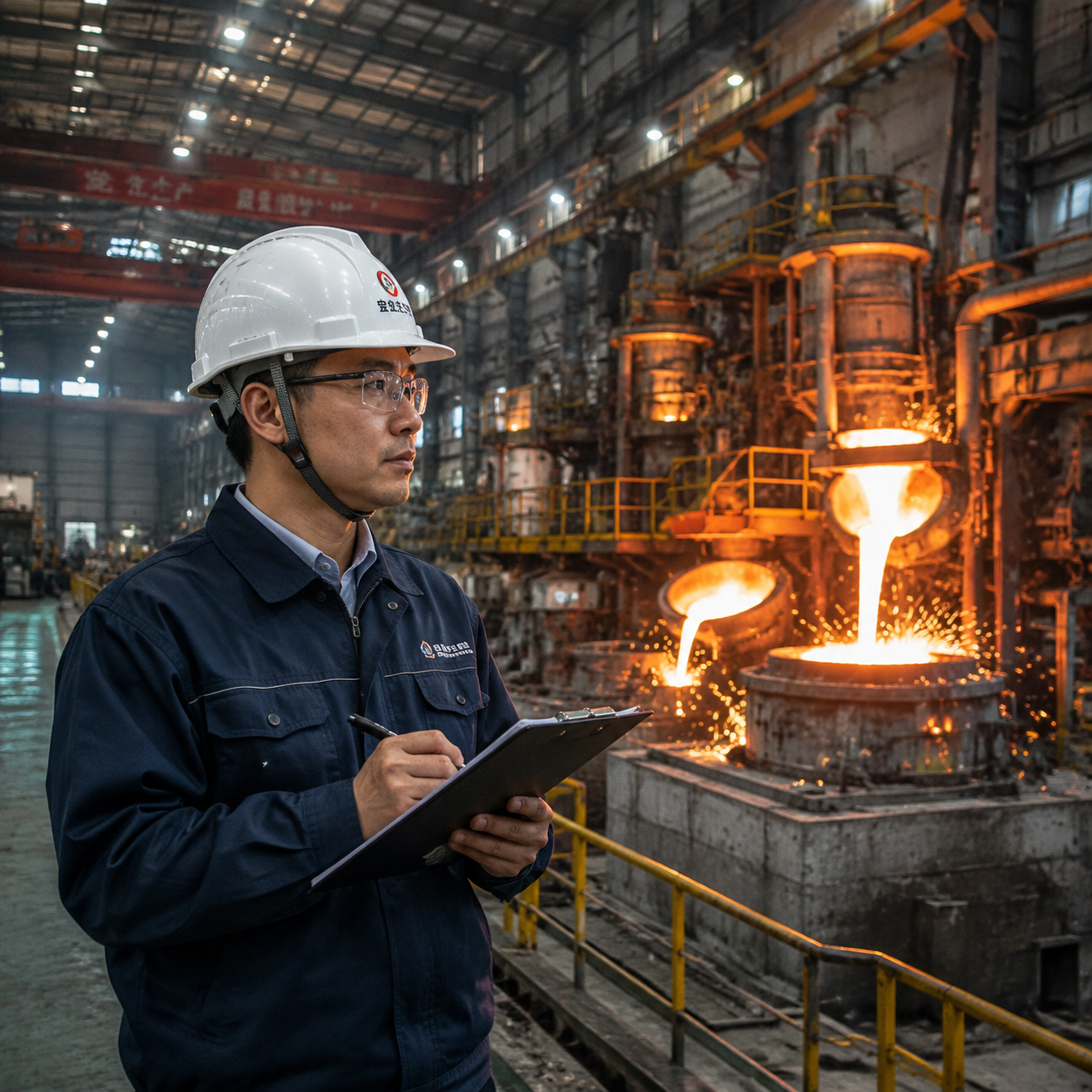
Video tours have their place. I've done three "virtual audits" for less critical castings. But you can't test the dust on the spectrometer through a webcam, and you can't ask the lab technician why the calibration log stops in December. For pressure-containing valve bodies, fly over. It's $2,000 in airfare, and it has saved me from six-figure mistakes repeatedly.
Check #6: Delivery dates are a planning problem, not a promise problem
Every foundry promise sounds the same: "Four weeks, no problem." The realistic timeline for a valve casting order from most Chinese foundries is:
- Raw casting production: 30–55 days, depending on complexity and mold/pattern status
- Machining: 15–35 days
- Assembly, testing, final inspection: 10–15 days
And be conservative around Chinese New Year — foundries typically close for 2 to 4 weeks, and the schedule slides before and after.
Before you calculate a promised date, ask three questions:
- "What's your current order backlog in tonnes?"
- "How many heats per day does your melt shop run?"
- "Where's the bottleneck in your production — molding, heat treat, or machining?"
Foundries with a genuine planning system give direct answers. Foundries that are already oversold will usually tell you "we can manage," then push your date when the order is locked. I now ask for the production schedule in writing: heat dates, treatment dates, inspection dates. It doesn't have to be perfect — it has to exist.
Check #7: Price negotiation starts with a cost breakdown
This is the check most buyers mess up. They compare unit prices between three factories and pick the middle one, then wonder why quality, delivery, and communication all wobble. Unit price is the last number you should look at, not the first.
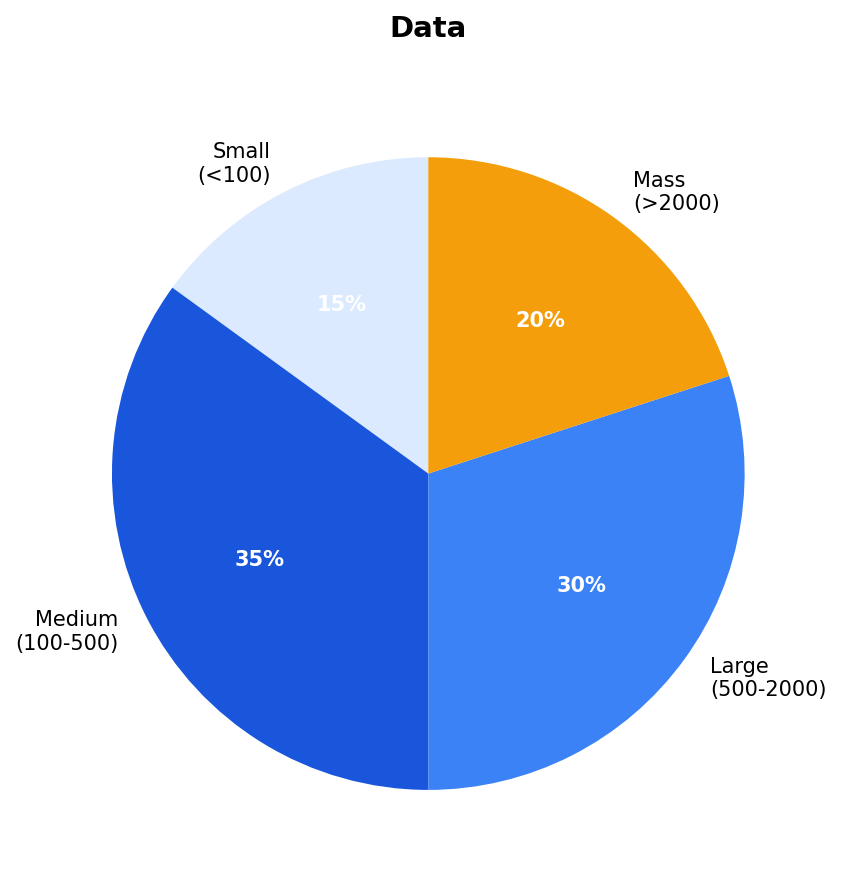
For a WCB valve body, expect to budget roughly $2.50–$4.50 per kg at foundry gate, plus 20–35% for freight, duties, finishing, and third-party inspection. Stainless grades like CF8M push the bracket higher. Those are estimates based on my sourcing activity in 2024–2026, not quotes from a single supplier.
When you do get quotes, ask for a time-based cost breakdown: material, melting, molding, heat treatment, NDT, machining, packing, and management overhead. Robert Davis, a Georgia hardware wholesaler who spends about $1.5M a year on castings, put it well:
"I always request a line-item cost breakdown before signing. If the seller hesitates or pads it with vague line items, I walk. It's not about squeezing pennies — it's about whether they understand their own cost structure. A factory that knows its numbers will hit yours."
A foundry that can split out its costs will usually give you a number within 10–15% of reality. A factory that can't is either going to surprise you with charges later, or cut process corners to absorb cost overruns. Both outcomes land on your P&L.
Davis added one more rule that I've adopted on every order since:
"Most buyers negotiate the unit price once and let it go. I negotiate the escalation clause, the freight split, the scrap allowance, and the sampling protocol. That's where the real money lives."
On that last point about sampling: define in writing how many parts get destructively tested, who pays for the test samples, and what happens if they fail. A failed 48-piece sample set on my WCB order cost me $47,000. Had the sampling protocol been nailed down in the technical agreement, the foundry would have re-run the heat at their cost before shipping.
Common mistakes when sourcing from a China valve casting factory
After a decade of buying castings, here's the short list of mistakes I keep seeing from otherwise careful buyers:
- Buying on the quote, not the technical specification. Send the full spec package: ASTM/AISI standard, drawing, requirements for castings called up explicitly, NDT acceptance criteria, marking, and packaging requirements. Otherwise the foundry prices the cheapest interpretation of your drawing.
- Skipping first article inspection. The first article should be fully dimensionally inspected, chemically tested, mechanically tested, and NDT'd — with you or your inspector reviewing the data before mass production continues.
- Relying on a video audit for critical components. As I said, some audits can be virtual. For pressure-retaining valve bodies, the risk is too high.
- Not validating the sample vs. the production run. A polished pre-production sample that was hand-fettled and fully inspected can look flawless. The question is whether the production run gets the same treatment. Sample approval should always be followed by a batch approval in writing.
- Using verbal agreements for technical decisions. Everything goes into the technical agreement. Email confirmations work, but a signed technical agreement covering metallurgy, NDT, marking, and packing is what protects you at the arbitration table.
FAQ: China valve casting factory
What certifications should a China valve casting factory hold?
At minimum, ISO 9001:2015 for quality management. For oil and gas valve castings, look for API Q1 and API 20A. EU buyers should ask for PED 2014/68/EU. Always verify the certificate number against the issuing body's directory, and confirm the plant address matches the factory shipping your parts.
How can I verify a foundry's API certificate?
Use the API Composite List on api.org. Enter the foundry's certificate number or company name, then check the plant address and scope. A certificate that belongs to a different company or a different physical plant is the biggest red flag there is.
What is a typical MOQ for valve castings from China?
Most sand casting foundries set MOQs around 1,000–5,000 kg per heat, or roughly 100–500 pieces for small valve bodies. If you need less, some factories accept a per-kg surcharge or allow you to participate in a shared heat with another buyer.
How long does a valve casting order take?
Raw castings typically take 30–55 days from pattern/mold approval. Machining adds another 15–35 days. Add 10–15 days for assembly and final inspection. And avoid committing to a hard delivery date that falls within two months on either side of Chinese New Year.
What is the price range for valve castings from China?
For A216 WCB sand castings, budget $2.50–$4.50 per kg at foundry gate. Stainless grades like CF8M are higher. Don't forget the 20–35% total uplift for freight, duties, finishing, and third-party inspection.
Bottom line
A Chinese valve casting factory can be the lowest-cost source on your BOM or the most expensive lesson in your purchasing career. The difference isn't luck. It's how systematically you verify certifications, melt records, QC equipment, NDT credentials, processes, delivery planning, and cost honesty.
Run these seven checks. If a foundry hesitates on melt records or third-party inspection access, treat that as the final answer and move on. If they open the furnace logs and hand you the full traceability chain, you've probably found a keeper.
I keep this checklist on my phone for every sourcing trip. If it saves you one $47,000 mistake, grab a copy: download the foundry vetting checklist and adapt it to your own part list.
A note on data: prices and lead times in this article are estimates based on my sourcing activity between 2024 and 2026, not universal quotes. Always get written confirmation from your supplier.
Need Help with China Valve Casting Factory: 7 Checks Before You Buy?
Get matched with 3 verified foundries in 24 hours. No markup, transparent pricing.
Request Quotes →- ✓ 1,700+ vetted foundries
- ✓ 40+ QA engineers
- ✓ Serving buyers in 22 countries
- ✓ ISO 9001 / IATF 16949 capable
Browse a vetted China valve casting supplier list.