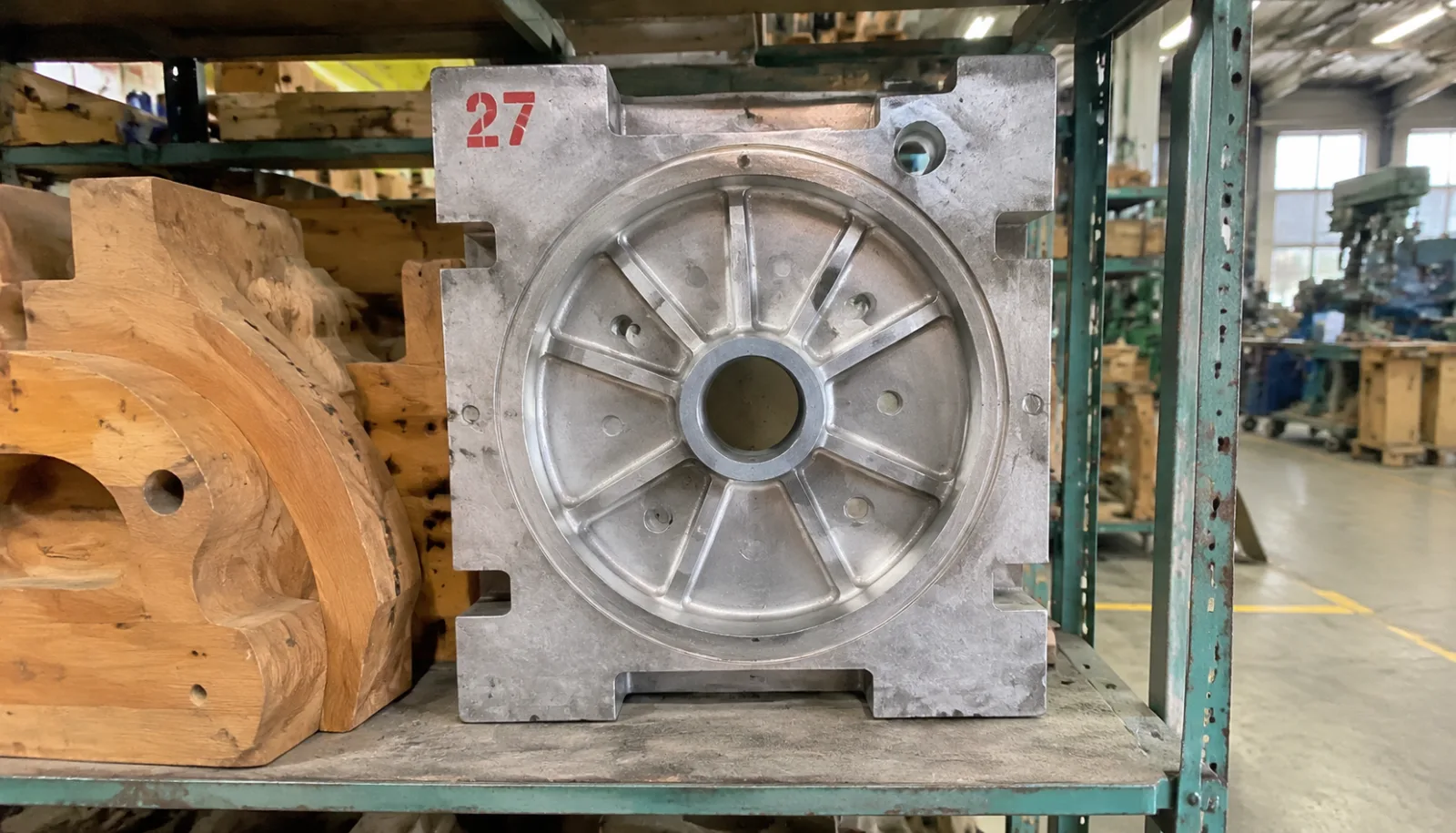
Tooling is the part of a casting order that buyers negotiate hardest on price and think about least in every other respect. It is typically a few thousand dollars, it is paid before the first part exists, and it quietly becomes the reason you cannot change supplier three years later.
The failure is rarely dramatic. It looks like this: you ask for a quotation from a second foundry, they ask for the pattern, you ask the incumbent, and the answer is that the pattern is theirs, or that they cannot find it, or that they need six weeks and a payment to release it. All three answers come from the same root cause — nobody wrote it down at the start.
Why the default is ambiguous
In Chinese foundry practice, tooling arrangements fall into three loose patterns, and they are often mixed within one supplier relationship.
| Arrangement | Who pays | Who holds it | Typical wording |
|---|---|---|---|
| Customer-owned | Customer, itemised | Foundry as custodian | Rarely written at all |
| Amortised | Recovered in piece price | Foundry | Tooling free with a volume commitment |
| Foundry asset | Foundry | Foundry | Tooling included, no charge |
The trouble is the first row. Customer-paid tooling is extremely common and almost never documented as such. The invoice says “mould cost” and nothing else. Two years later, the question of who owns it is answered by whoever has the stronger position, and that is not the buyer who has already stopped ordering.
The amortised pattern has its own trap: tooling is free with a volume commitment, you never reach the commitment, and the tooling charge materialises at the end. Read the commitment carefully or you have bought tooling on credit with a penalty clause.
The four clauses that settle it
1. Ownership and custody
State plainly that the tooling is your property, funded by you, and held by the supplier in custody for the production of your parts. Custody means they look after it, insure it against loss in their care, and cannot use it for anyone else.
2. Identification
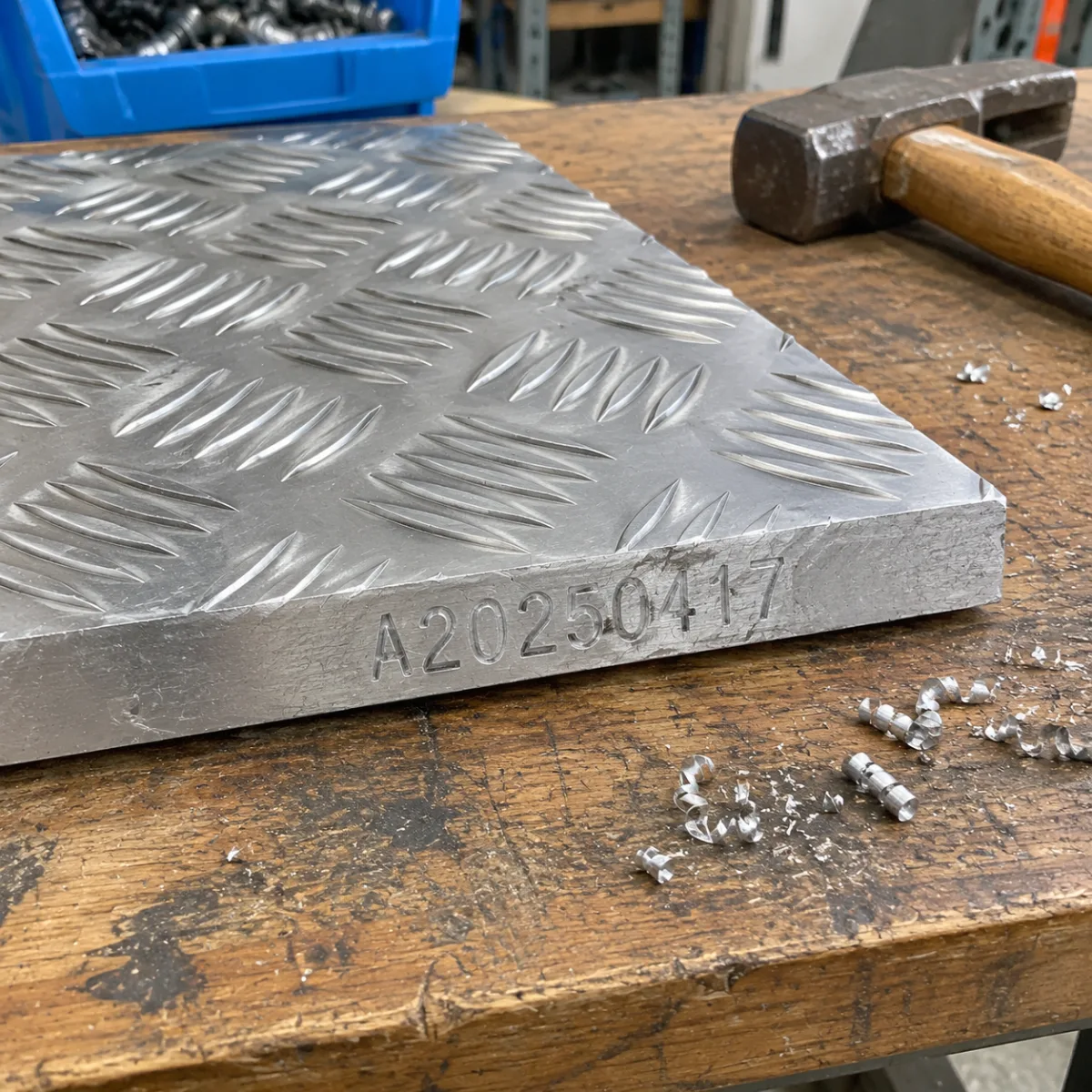
Require your own tooling number, physically stamped or engraved on the pattern plate or die, plus a record card and a photograph at handover. This is the single most practical protection, because it converts an argument about ownership into an inspection of a marking.
3. Maintenance and wear
Split the responsibility explicitly. Routine maintenance and minor repair while the tool is in production is a foundry cost, because pattern wear is a running cost of making your parts. Wear-out replacement is a customer cost, with a defined trigger such as a stated number of moulds or a dimensional drift limit.
Without this split, both sides assume the other pays until a pattern fails mid-order and the argument stops production.
4. Release on request
The clause that actually matters when you leave: on written request, tooling is released to you or your nominated party within a stated period — often 15 to 30 days — in a condition fit for continued production, with any tooling records and pattern drawings. Add that release is not conditional on settling unrelated commercial disputes. Without that sentence, tooling becomes collateral in any disagreement.
What a tooling record should contain
Ask for a record card at handover and keep your own copy. A usable one holds:
- Your tooling number and the foundry’s internal number.
- Part number and drawing revision the tool was made to.
- Tool material and the number of cavities.
- Date of manufacture and the toolmaker.
- Shrinkage allowance applied, and for which sections.
- Mould count at handover, and the method of counting.
- Photographs of the marked plate, the cavity layout and any loose pieces.
- Maintenance log, updated per event.
The shrinkage allowance field matters more than it sounds. When you move a part to a second foundry, the new supplier needs to know what allowance the existing pattern was built to, or they will make a new one to a different assumption and your first article will not match the parts in your warehouse.
What to check when you visit
If you visit the plant, ask to see the tooling store. It takes five minutes and tells you how the supplier treats customer property.
- Is it identified? Plates with readable numbers on racks, not stacked loose on the floor.
- Is it protected? Pattern plates stored flat or on edge properly, not leaning against walls where they warp.
- Is it logged? A store with a register, in or out. A store without one cannot release your tool accurately even if it wants to.
- Is it segregated? Your tooling in a defined location, not mixed with general production patterns.
A foundry that keeps an orderly tooling store with a register is a foundry that will hand your pattern back without drama. The condition of the store is a better predictor than anything the sales team says about partnership.
The transfer scenario, planned in advance
Assume you will move the part one day. Either the price, the quality or the volume will make it necessary. Plan for it while you have leverage:
- Tooling paid separately and itemised on the invoice, described as customer-owned tooling. Not bundled into piece price.
- Marked and photographed at handover, with the record card on both sides.
- Drawing and pattern data held by you, including the shrinkage allowance and any machining model.
- Release clause with a period and a condition standard, signed at the start.
- A recent dimensional report on file, so a new supplier has a baseline to match.
Buyers who do all five transfer a part in weeks. Buyers who do none of them either pay for a new pattern and re-qualify from scratch, or stay with a supplier they no longer want. The cost difference is one tooling set plus a qualification cycle, which is a lot of money to spend on a clause nobody wrote.
The question that reveals the arrangement
If you only have one question in the first meeting, make it this: “If I move this part to another supplier in two years, what happens to the pattern?”
An answer that describes a process — release within a stated period, marked with your number, records transferred — tells you the supplier has done this before and considers it normal. An answer that begins with why you would never need to, or that tooling is typically retained, tells you that leaving will be difficult. Both answers are useful, and both are much cheaper to obtain now than later.
Related verification pages
Get the tooling terms in writing
Send the part and the expected annual volume and we will set out the tooling cost, the ownership terms, the maintenance arrangement and what happens if you move the part to another supplier. No surprises on the invoice or in year three.
Prefer email? cfwc@163.com · WhatsApp +86 159 4126 7000