Casting Tooling Ownership Transfer Contract: The 8 Clauses That Protect Your Mold
Let's start with three numbers: $40,000, 60 days, and zero.
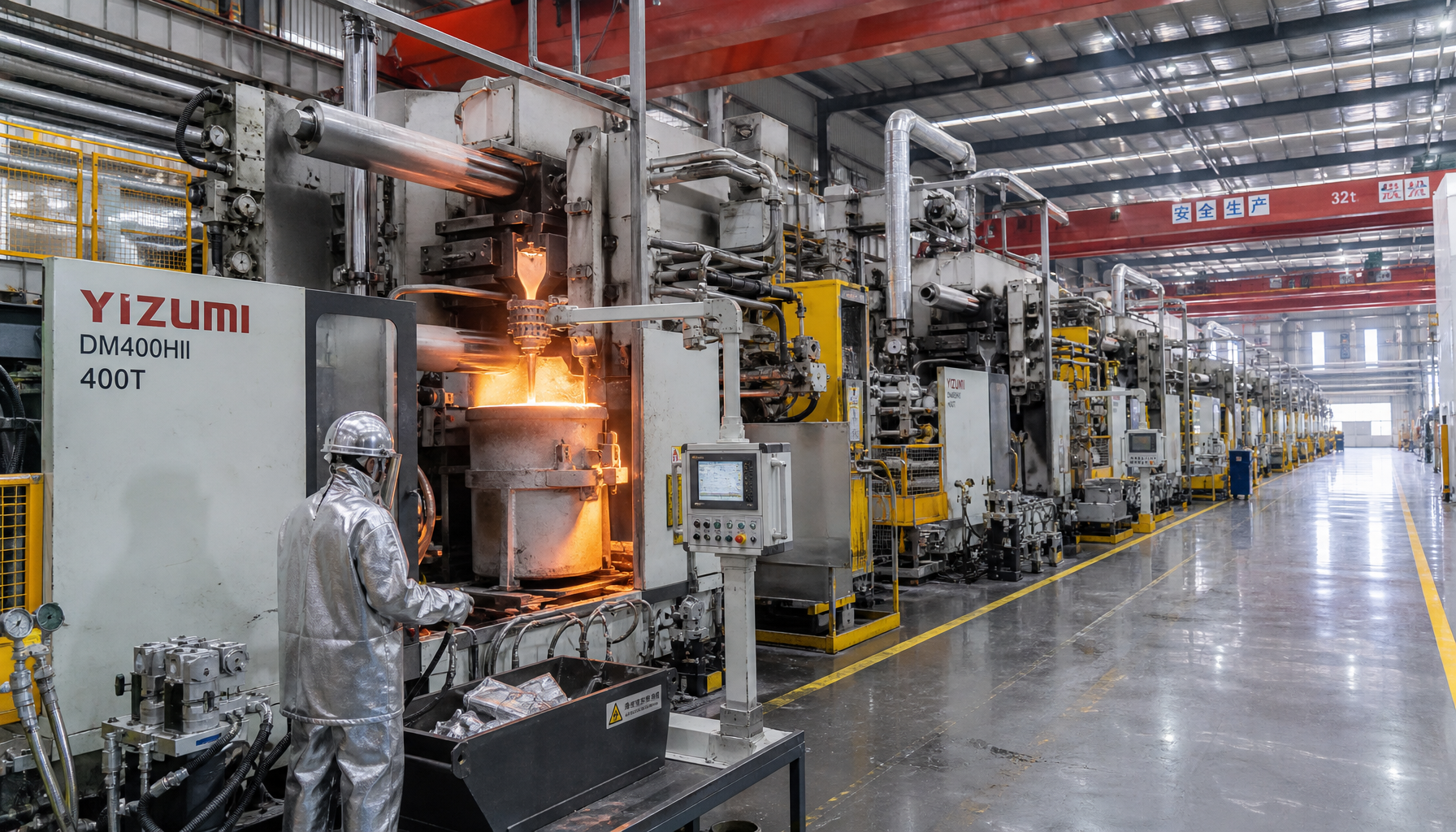
$40,000 is roughly what a medium-complexity aluminum die casting die costs when made in a Chinese foundry today — a die for a 400-ton press, one cavity, slides, and a water cooling circuit. 60 days is the typical lead time from tooling kickoff to first samples. And zero is the number of standard RFQs that will mention a tooling ownership transfer contract.
Check it yourself. Open your inbox, pull the last three casting quotations you received, and search them for the words "tooling ownership." What you'll find is a generic sentence — "buyer will pay the tooling fee" or "tooling belongs to buyer after full payment" — buried in the price breakdown. No transfer mechanism. No return timeline. No definition of what happens if the foundry closes.
You're about to pay $40k–$80k for a physical asset that will run for 150,000–250,000 shots. That asset deserves better documentation than a line item on a quotation.
This guide covers the casting tooling ownership transfer contract from the buyer's side — written for sourcing professionals who buy die castings, investment castings, and sand castings from China. The wording of "tooling" varies by process; the principles don't. Call it a mold ownership agreement, a tooling buyout clause, or a tooling ownership transfer contract — the name matters less than the eight clauses below, which are what decide whether that die becomes an asset you control or a point of leverage your supplier holds.
Why Tooling Ownership Is Decided Before You Sign
Tooling does triple duty. It's a production asset. It's a bank of process knowledge. And it's the piece of your program that determines how many suppliers you can realistically switch between during the product's life.
Take the cost view first. For typical aluminum die casting, tooling amortization runs between 10% and 20% of the unit price during the first production year. If the die has slides, the ratio gets worse. That means every price reduction you negotiate later is measured against a tooling investment that has already been paid. If you don't own the die, you don't have a baseline — a new supplier will quote you a full new die plus their own process assumptions, and your negotiation position weakens immediately.
The second angle is technical. The die cavity contains your customer's product geometry. The CAM data contains the way that geometry is machined. The gating layout and water-cooling design are engineering know-how built from simulation and trial runs. Without a transfer contract, the foundry keeps access to those files. That doesn't make them dishonest — it simply means there's no contractual reason not to reuse that knowledge for another program.
The third angle is timing. If the contract says nothing, the supplier's general terms govern. Those terms often state that tooling ownership transfers only after the foundry recovers the full tooling cost through unit prices. The buyer thinks they've already paid for the mold in every batch; the document keeps treating the tooling as a supplier asset indefinitely. Sound familiar? That's the gap this article is built to close.
That's why a transfer clause can't be vague. It needs a trigger, a scope, and a paper trail.
How Foundries Treat Tooling Ownership in Practice
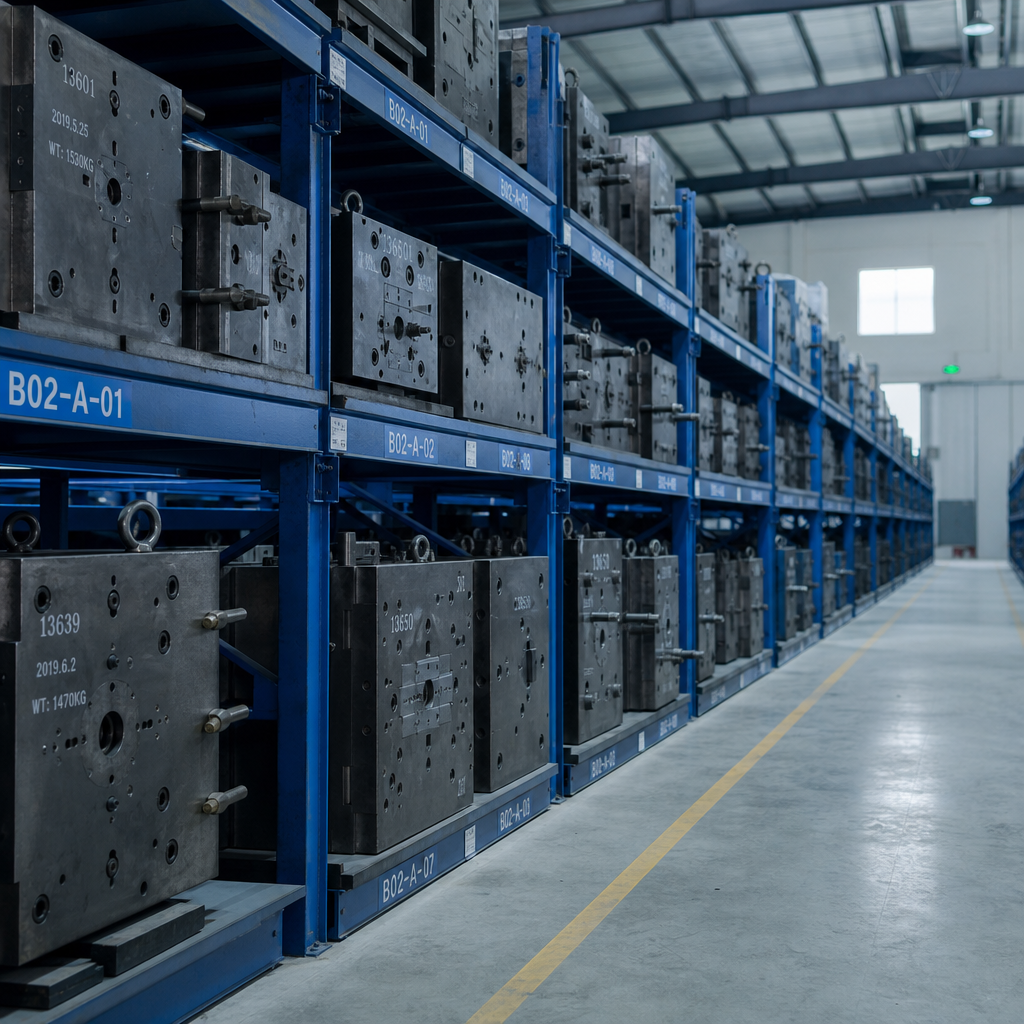
In a Chinese quotation, tooling as a separate line item is standard practice. You'll see something like:
"Tooling fee: USD 45,000. Once the buyer has paid the full tooling fee, the tooling belongs to the buyer. The buyer shall pick up the tooling within 3 months after the project ends."
That sentence establishes intent, but it leaves too many gaps. It doesn't define storage cost after collection. It doesn't cover digital files. It doesn't describe what happens if a manager who agreed to the deal leaves, or if the foundry's assets are seized by a creditor.
Under Chinese civil law, a die is movable property, and ownership of movable property follows the contract and actual delivery. A quotation line creates the start of a contract — but that contract is only as strong as its weakest clause. And you didn't negotiate the weak ones if you didn't write them. The realistic position, based on how Chinese foundries operate daily:
- Most foundries do treat the tooling as the buyer's once it's paid in full.
- Most foundries do not have a system for long-term free storage or die disposal.
- Most foundries will not release digital design data unless the contract explicitly lists it.
- Most foundries will assert a right to keep the die if the buyer has unpaid invoices on discontinued or disputed parts.
None of this makes them untrustworthy. It makes contract completeness your job.
The 8 Clauses Every Casting Tooling Ownership Transfer Contract Needs
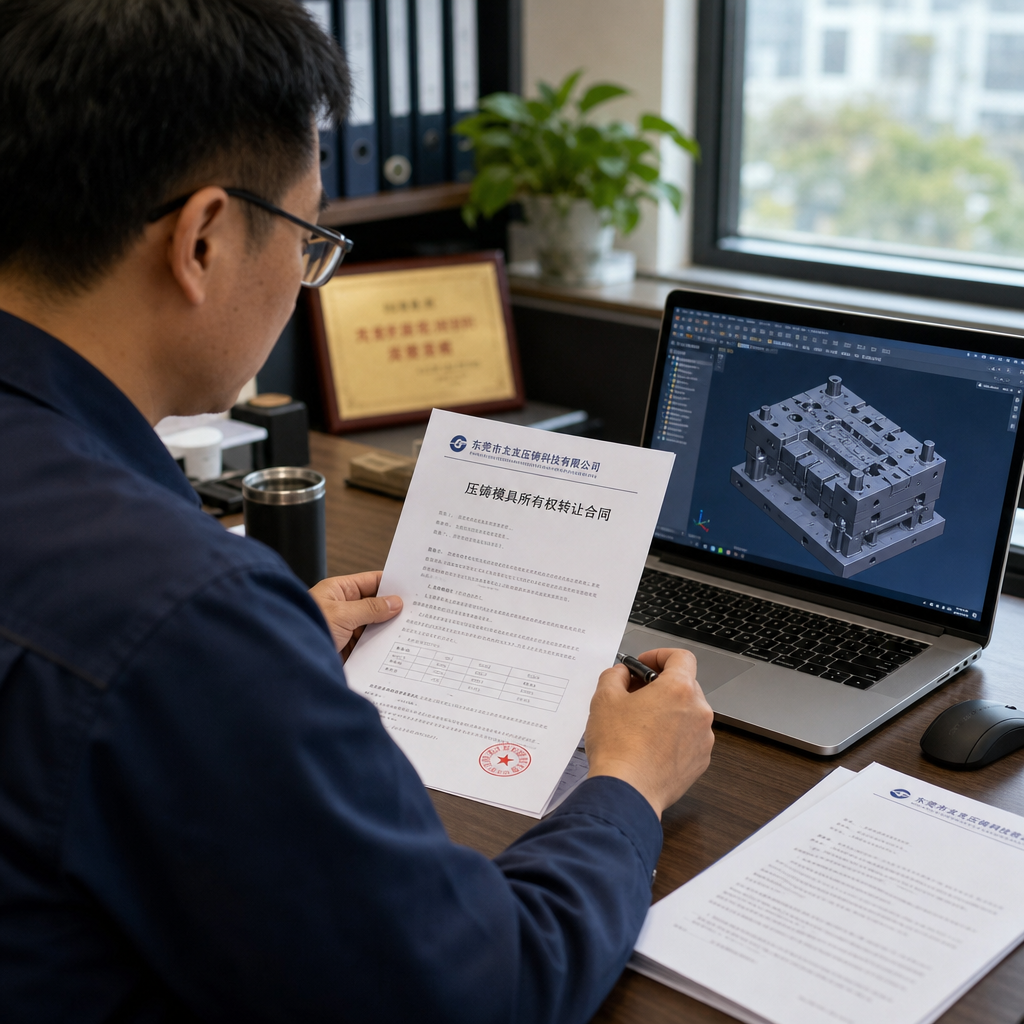
1. Ownership Transfer Trigger
The contract should state, in one unambiguous sentence: "Tooling ownership shall pass to the Buyer when the Buyer has paid the full tooling amount shown in the quotation appendix, regardless of the delivery status of the tooling."
The trigger matters. Some suppliers tie ownership transfer to physical delivery, which creates a deadlock: if the mold is late, rejected, or disputed, ownership is trapped in between. "Full payment" is a clean trigger because you control it. If the foundry wants a safety net, allow them the right to withhold delivery until the final payment clears — but don't let that postpone ownership.
2. Tooling Identification and Scope
Your contract appendix should define exactly what is being transferred. A vague "dies" or "molds" invites disputes when the project ends.
Include: die number, cavity count, part number and revision, mold base size, weight, date of manufacture, and a condition statement. Then list the accessories that travel with the tooling: spare inserts, slide cores, heaters, thermocouples, hydraulic connectors, and identification tags.
Take photos of each mold before signing. Attach them to the contract or reference them in an email that both parties sign off on. Photos are cheap evidence that carries far.
3. Storage, Insurance, and Fees
Molds sit at the foundry for the life of the program. If you don't clarify storage, expect a surprise invoice at the worst moment.
Recommended clauses: the foundry stores the tooling at no charge for the first 6 months after the final production order, then at a mutually agreed monthly rate (state the rate in the appendix). The foundry must insure the tooling against fire, flood, and theft with the buyer named as loss payee.
Unilateral "abandonment" rules should be excluded. If the buyer hasn't collected the mold after a defined period, the foundry can request written instructions — but using the mold for a third party should never become an option.
4. Repair and Modification Procedure
During a mold's life, it will need slide repairs, cavity polishing, insert replacement, and design changes. Ownership shouldn't dictate who pays for normal wear — usage does.
State that normal production wear is the buyer's cost, while defects in workmanship and material are the foundry's cost during the warranty period. And define the modification procedure: the foundry must submit a written quotation for the buyer's approval before any repair exceeds an agreed minimum threshold (for example, $500). Unapproved repairs are the foundry's responsibility.
This prevents the classic trap where a mold owner discovers a "repair" bill that costs a third of a new die.
5. Exclusive Use and No-Copy Clause
The most expensive failure mode is not the loss of the physical mold. It's the foundry producing a second cavity from its own CAM data without your permission.
Add a clause: "The foundry shall not use, reproduce, reverse-engineer, duplicate, or modify the tooling, or any part of its CAD/CAM data, to make replacement tooling for any third party. Reproduction of even a single cavity insert is prohibited without the buyer's written approval."
This is not a "trust" issue. It's a structural issue. The foundry has the data, the machines, and the know-how to create a mirror die for a competitor — a few hours of CNC time stands between them and a sale. Your contract should make that action a breach with defined remedies.
6. Digital Data and Technical Documentation
When you buy a die, you also need the right to repair it, change it, and transfer it. That means the full digital package must transfer too: CAD models, CAM files, electrode data, CNC programs, flow simulation results, trial run reports, and final inspection reports.
Otherwise you own a steel block, but not the knowledge to maintain it. If the mold gets damaged and you move to a second source, having the digital package is what turns a 12-week rebuild into a 3-week quote.
List the deliverables in the appendix: at minimum, STEP or IGES 3D models, 2D drawings, the last trial-run report, and the final FAI report.
7. Termination and Return Obligation
When your program ends, or when you switch suppliers, the mold must come back. That doesn't happen automatically. Many foundries wait for you to arrange transport, which creates a convenient delay of weeks.
The contract should say: "Within 30 calendar days of the final production run or buyer's written request, the foundry shall release the tooling for collection with all associated documentation. The foundry shall provide crate-ready packaging at its own cost; shipping costs are the buyer's responsibility."
Add a penalty for delay — for example, 1% of the tooling replacement value per week of delay, deducted from any outstanding payments to the foundry. The threat of a concrete number is what makes the 30-day deadline real.
8. Governing Law and Dispute Resolution
When you buy from China, Chinese law will govern unless you negotiate otherwise. That's not a bad thing — but you want to avoid local courts where procedural uncertainty is higher.
Specify arbitration by a recognized body: CIETAC (China International Economic and Trade Arbitration Commission), SIAC (Singapore), or HKIAC (Hong Kong). Arbitration under the New York Convention is enforceable in most countries where you'd ever need to chase a counterparty, and it's faster than a Chinese court proceeding.
If you're new to this, the CIETAC route is a solid default for China-sourced tooling. Include the arbitration body's standard clause in your contract wording.
Five Ways Foundries Hold Tooling — and How to Draft Against Them
These five scenarios show up in real sourcing programs every year. Some are deliberate tactics; most are contracts that simply weren't precise enough to stop them. Either way, the fix is the same: draft against each one before you cut steel.
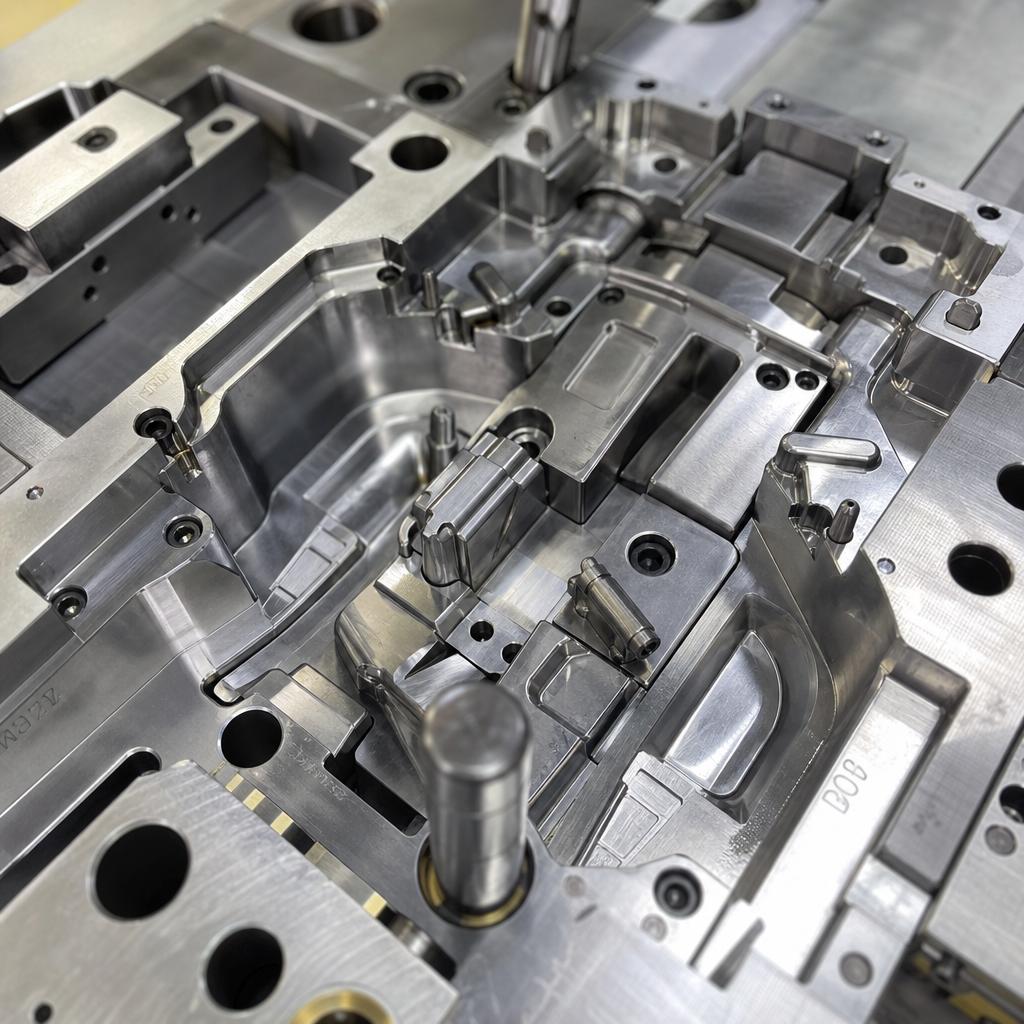
1. Hiding Tooling Cost in Piece Price
Some foundries bury the tooling charge into the unit price, then claim "we own the tooling." The fix is simple: require a separate tooling line item with its own purchase order and payment schedule. If the tooling is hidden in the piece price, ownership should transfer only with a written tooling buyout agreement that calculates the embedded amount.
2. Making a Mirror Die From Your Data
This is the "copy" problem. Your steel leaves the building; your CAM data stays behind, and a clone appears in another project. The no-copy clause in Clause 5 is your defense. Add one more sentence: "Any tooling produced using the buyer's cavity data, in whole or in part, is buyer property." That covers mirror copies, offset copies, and reverse-engineered variants.
3. Inflated Mold Repair Invoices
The foundry knows you have no alternative repair shop — your mold is sitting in their facility, bolted to their machine. To prevent invoice shock, include the written-approval requirement and a clause that repair costs may not exceed the replacement cost of the die. Also state that emergency repairs under a defined threshold (e.g., $500) are chargeable, but anything above requires written acceptance.
4. Withholding Tooling Due to Unpaid Invoices
This is the most common practical dispute. A foundry holds your die because you disputed a casting quality claim and stopped paying. Their leverage is physical possession. Your contract should break that leverage: "The obligation to return tooling is independent of any payment obligations, including unpaid casting invoices, once the tooling has been fully paid." Keep it in writing, and keep the mold return clause separate from the supply obligations.
5. Delay Tactics and "Abandoned" Rules
The mold sits in storage for 14 months. A new manager arrives and says, "This die is abandoned under company policy." Your contract's return timeline and the storage fee structure prevent this. Add a sentence: "The foundry may not declare tooling abandoned unless the buyer fails to respond to two written notices sent 90 days apart, and only after notifying both the buyer and any registered security interest."
What to Collect When the Die Leaves the Foundry
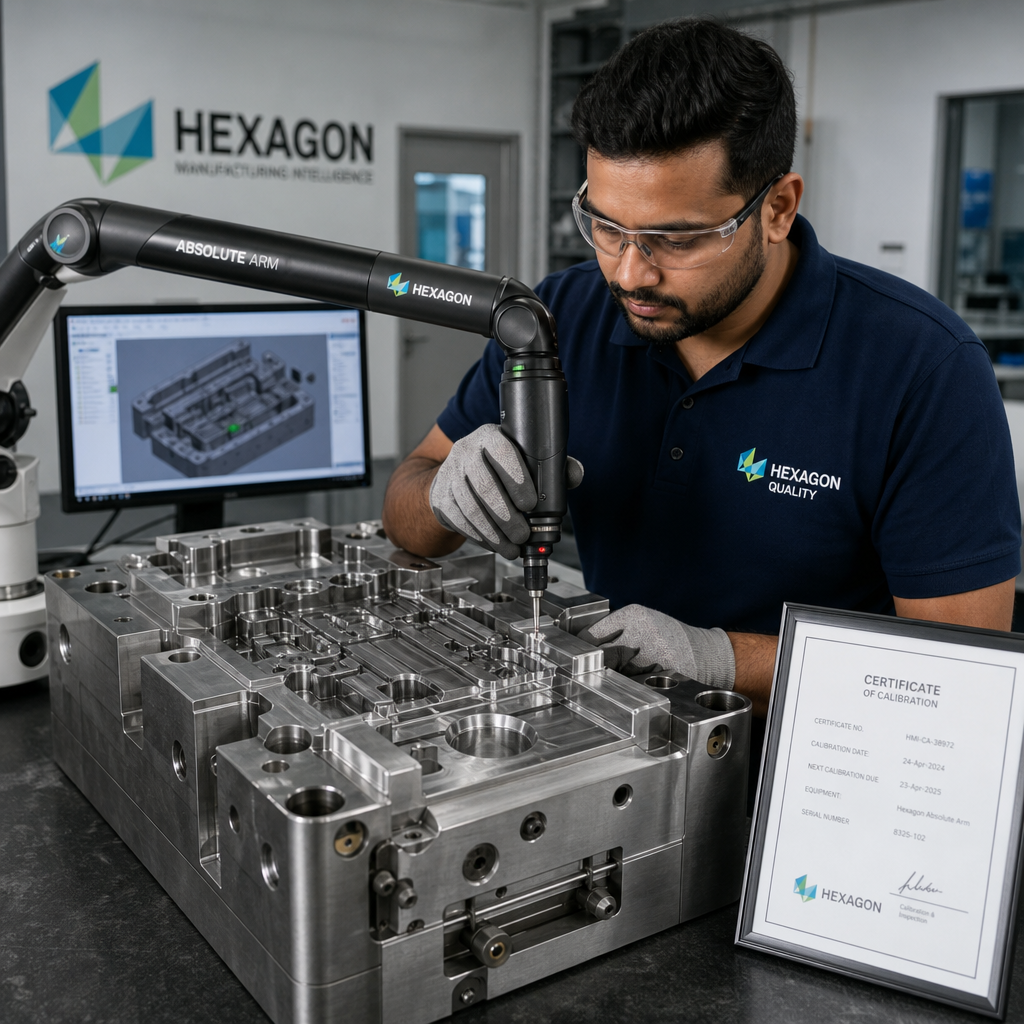
Transferring ownership physically is only half the job. The other half is paperwork — and paperwork is what resolves disputes in a month instead of a year. When the mold leaves the foundry, go through this checklist and sign both versions (yours and theirs):
- The mold itself — with serial number, cavity count, and mold I.D. plate verified against the contract appendix.
- Spare inserts and wear parts — listed by part number.
- Heaters, thermocouples, and hydraulic connectors — often forgotten in transfer documents.
- 3D CAD models — STEP or IGES files plus native solid files if available.
- 2D drawings — including the as-built revision, not just the release version.
- CNC programs and electrode data — relevant if you need replacement cavities.
- Last trial-run report — records the die's actual performance on press.
- Final FAI (First Article Inspection) report — with the full dimensional data book.
- Maintenance log — shows what repairs have been done and by whom.
- Inspection fixtures and check gauges — if they were part of the original tooling scope.
Take arrival photos on your side too. If a mold arrives at a new foundry with damaged ejector pins, photos from both ends settle that question in one hour instead of a month.
Frequently Asked Questions
Does mold ownership automatically transfer after payment in China?
No. Dies are movable property, and ownership follows the written intent of the parties. Payment alone doesn't prove ownership transfer unless the contract states the transfer trigger clearly. A quotation sentence is a start — a signed contract with a dedicated ownership clause is the finish.
What happens if the foundry goes bankrupt?
In liquidation, the receiver classifies assets by documents. A signed tooling ownership transfer contract, the purchase order, and the payment record put the mold on your side of the fence. Without them, the mold may be treated as the foundry's asset and sold to pay creditors. This isn't rare — it happens every few years in the Chinese foundry sector.
Can a foundry keep the mold because of unpaid invoices?
Only if your contract fails to separate the tooling from the supply agreement. A clean clause states that the return obligation is independent of other payment obligations once the full tooling fee is paid. Note that Chinese law recognizes a supplier's retention right for unpaid payment — but that right applies to goods supplied, not to assets already owned by the buyer. Your contract should make that distinction explicit.
Should the tooling fee be split from the part price?
Yes. A separate tooling line item with its own purchase order and payment milestone gives you a clean ownership trigger and a clear paper trail. If a dispute ever reaches arbitration, you'll want one document that says "you paid for this tool, and here's the proof." Splitting the fee makes that possible.
What documents do I need before signing?
At minimum: the final tooling contract signed by both parties, the die list appendix with photos, the ownership clause, the return clause, the digital data deliverables list, and the arbitration clause. The template language in this article is a good starting point for your own contract.
The Action Sequence for Your Next RFQ
If your next casting RFQ is already prepared, add these steps before you send it:
- Write the ownership clause into the RFQ itself. One sentence: "Supplier quotations must include a tooling ownership transfer clause and must list tooling as a separate line item."
- Evaluate the quotation with ownership in mind. If a supplier says "the mold is ours," decide whether that's a business risk you can tolerate. Most of the time, the answer is no.
- Buy the tooling as a separate PO line item. Do not fold it into the piece price. This keeps the ownership baseline clean.
- Pay the tooling in a single milestone. Full payment triggers ownership. Use a bank transfer, not a discounted bill of exchange, so the evidence trail is simple.
- Sign the tooling contract before approval of tooling design. Don't wait until after the steel is cut.
- Collect the digital data package at payment time, not at termination. The foundry is most cooperative while you're still an active customer.
- Document the arrival side. If the mold moves to a new foundry, take date-stamped photos at collection and upon delivery.
Your casting mold is not just a piece of steel — it's the largest single investment in your part's supply chain, and the deciding factor in how many foundries you can realistically work with over the product's life. A signed tooling ownership transfer contract is what keeps that asset yours. Handle it before you pay, not when you leave. Draft the eight clauses once, sign them once, and stop worrying about where your mold is.