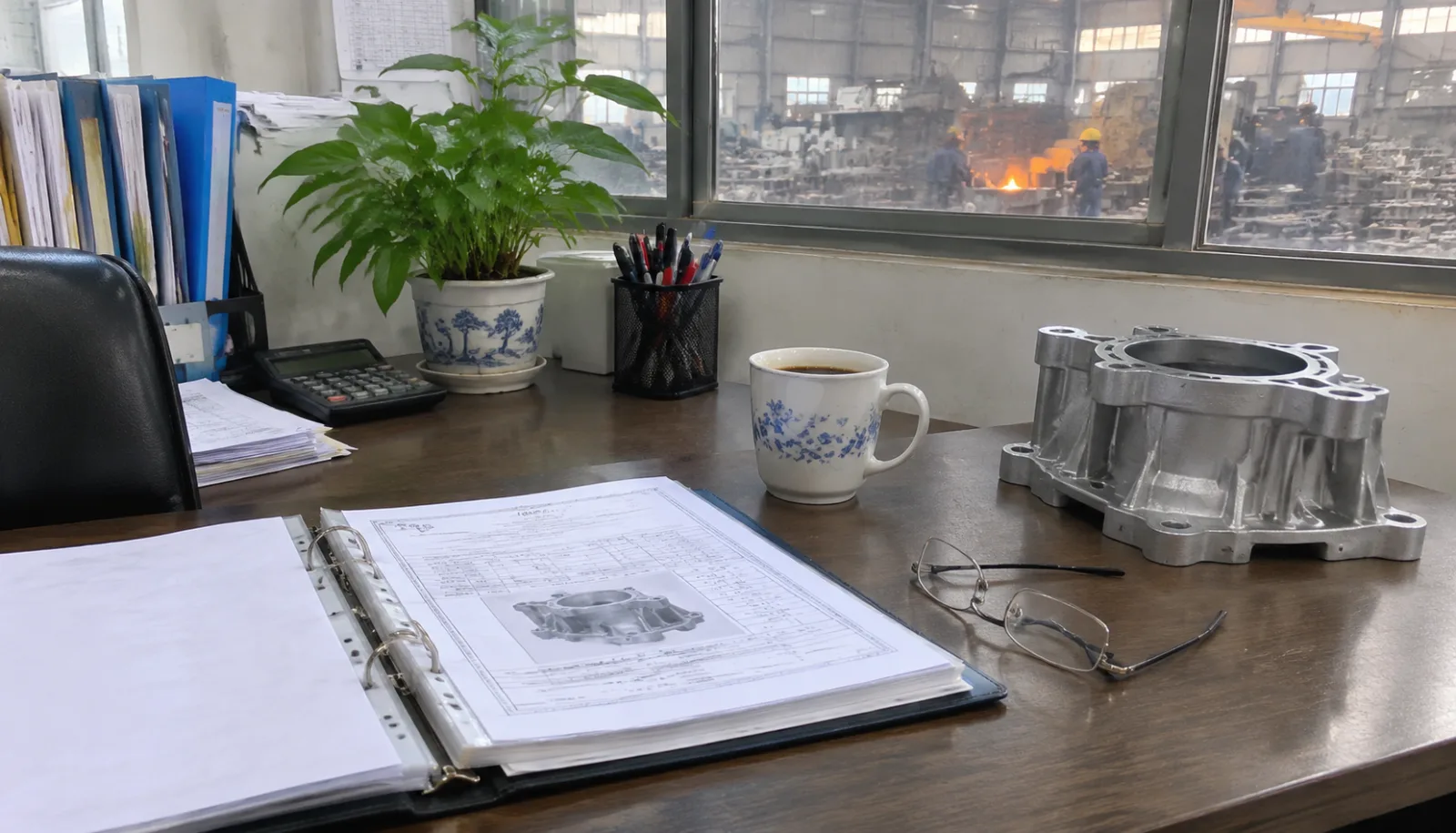
Every automotive casting buyer has been handed the same PDF: a certificate with a recognisable logo, a registration number, a validity window and a signature. It looks like evidence. Sometimes it is. About as often, it is a genuine certificate that has nothing to do with your part.
There are four separate things to check, and a supplier who volunteers the PDF but not the other three is telling you something by omission.
The four checks, in order of how often they fail
| Check | What can go wrong | Where to verify |
|---|---|---|
| Is the certificate current? | Expired, or suspended after a missed surveillance audit | Certifying body’s public register |
| Is the scope right? | Scope names a different process, material or product | The scope statement on the certificate itself |
| Is it the right site? | Certificate belongs to a sister plant or the head office | Address on the certificate vs the plant that will run your part |
| Is the accreditation real? | Certifier is not accredited for IATF | IAOB / IATF recognised certification body list |
The order matters. Most buyers start with the logo, which is the only part that cannot be wrong if the document is genuine. Start with the register instead — it takes two minutes and it fails more often.
Check one: the registration is live
IATF certification is issued for three years but it is not static. The site is audited annually, and a missed or failed surveillance audit moves the certificate into suspension. During suspension the certificate number still resolves, the PDF still exists, and the foundry will still send it to you.
The IATF maintains a public database of valid certificates searchable by certificate number or company name. Search the number that appears on the PDF. What you want to see is a status of active, a scope statement that matches the PDF, and an expiry date that matches. If the certificate does not appear at all, stop there and ask for an explanation in writing.
A practical note: the database is updated with a lag, so a certificate renewed last week may show the old expiry. A certificate that shows nothing at all is a different matter.
Check two: the scope statement actually names your process
The scope is the sentence that decides whether the certificate is relevant to you, and it is the field buyers read last. Two failure patterns dominate.
The process is outside the scope
A foundry may be IATF certified for machining and assembly of automotive parts while its sand casting is a separate, uncertified activity. If your purchase is a raw casting, the certified process is not the process you are buying. This split is common at plants that added a machining line to serve an automotive customer and left the foundry floor as it was.
The material is outside the scope
A scope naming grey and ductile iron does not cover an aluminium die casting. A scope naming aluminium gravity die casting does not cover sand casting. Materials and processes are named deliberately; they are not a summary.
Ask for the scope sentence in writing before the audit, and read it against your drawing rather than against the sales email. If it does not match, the honest next question is whether the supplier holds a different certificate that does, or whether they would be subcontracting your part — which is its own verification problem.
Check three: the address is the plant, not the office
Multi-site Chinese foundry groups often register certification at one plant and quote from several. The certificate is genuine; the plant that pours your metal is not the plant that was audited.
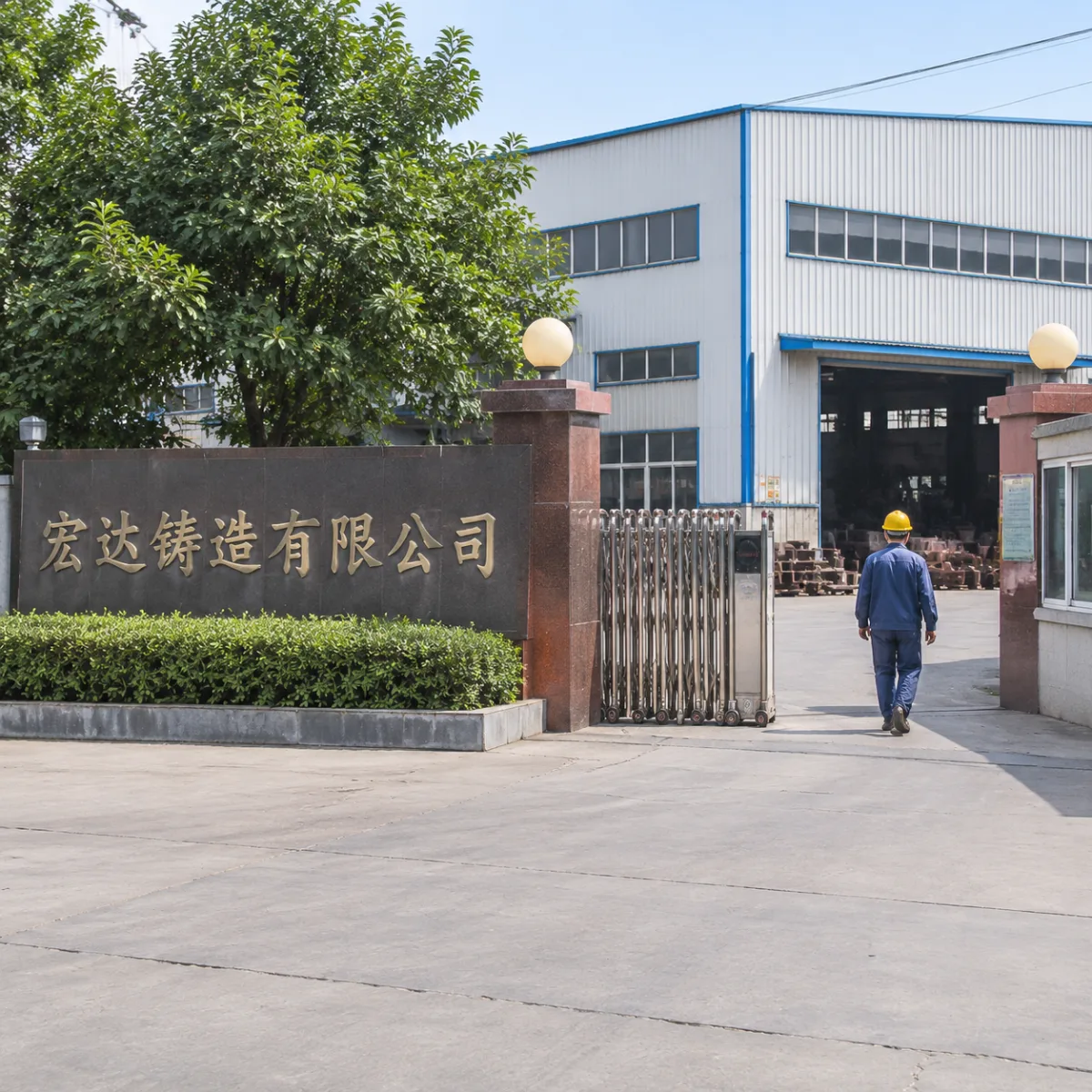
Match the full address on the certificate against the address on the business licence and against the address on the shipping documents. Three documents, one address. Where they diverge, you are looking at either a group structure or a substitution, and the difference is worth one direct question: which plant will physically pour this order?
If the answer is a second plant, ask for that plant’s certificate. It either exists or the automotive chain stops there.
Check four: the certifier is accredited for IATF
IATF 16949 can only be issued by certification bodies recognised by the IATF and accredited by a national accreditation body. There is a long tail of consultancies issuing “IATF compliant” or “IATF aligned” documents that look like certificates and are not.
The tell is wording. A real certificate says the management system has been assessed and found to conform to IATF 16949:2016, issued by a named certification body, with an accreditation mark and a certificate number in the certifier’s format. A marketing document says the company “operates in accordance with IATF 16949 principles”. That sentence is not a certification and is usually a signal that none exists.
What the certificate still does not tell you
Even a fully verified, in-scope, live certificate at the right plant leaves most of the quality question open. The audit samples. It looks at the system on two days a year, chosen in advance.
| Question | Answered by the certificate? |
|---|---|
| Does the site run a documented control plan? | Yes, in principle |
| Is the control plan for your part any good? | No |
| Is scrap rate on your part family under control? | No — needs the KPI history |
| Will they disclose a subcontracted heat treatment? | No — needs a written sub-supplier list |
| Do they use error proofing where your part needs it? | No — needs a process walk |
Treat certification as a filter, not a verdict. Its real value is that it makes certain conversations possible: a site with a live IATF certificate will have a control plan, an MSA record and a corrective action log, and can be asked for them. A site without one usually cannot.
Five questions that get past the certificate
- Which part numbers for which OEMs ran through this plant last quarter? A real automotive supplier answers with part families and customer tiers. A trader answers with adjectives.
- Who is your heat treatment subcontractor, and are they IATF certified? Special processes are usually outsourced and are the weakest link in the chain.
- Show me the control plan for a part with the same process route as mine. Redacted is fine. Absent is the answer.
- What was your scrap rate on that part family last quarter? Anything under 3% on a mature part is plausible. A claim of zero is not.
- When was your last customer complaint, and what changed afterwards? The answer tests whether corrective action is a live system or a binder.
Ask these in one email, not over five. The pattern of which questions come back answered, which come back deflected and which come back as a brochure attachment tells you more than the certificate ever will.
The short version
Search the certificate number in the IATF database before you read the PDF. Read the scope sentence against your drawing, not against the sales claim. Check that the address is the plant that will pour the metal. Confirm the certifier is recognised. Then move on to the questions the certificate cannot answer, because that is where your risk actually lives.
Related verification pages
Ask for the scope statement, not the logo
Give us the part family and the OEM standard your customer audits against. We send the certificate number, the registered scope wording and the site address it applies to, so your quality team can check it against the IATF database before anything else happens.
Prefer email? cfwc@163.com · WhatsApp +86 159 4126 7000