The castings arrived on time. They looked clean. The dimensional report said everything was inside tolerance. Then the machine shop ran 5,000 pieces of 316L valve bodies through nitric-hydrofluoric pickling, and 1,100 of them came out of the tank speckled with black pits.
The foundry's first answer was predictable: bad material, not their problem. The second answer, after an independent lab ran an SEM-EDS scan on the defect layer, was less comfortable. Silicon, sodium, and calcium were sitting in the surface porosity at concentrations that don't belong in a silica sol shell. The foundry had bid silica sol and run water glass. It saved them roughly $0.40 per kilogram. It cost the buyer a production week, a $47,000 reorder, and a customer escalation they're still cleaning up.
That scenario repeats itself constantly, and it's almost always preventable. Not because buyers are careless, but because the difference between a silica sol shell and a water glass shell is invisible on a purchase order and invisible on a finished part — until the part meets acid, or a salt spray cabinet, or a customer's incoming inspection.
This guide is about closing that gap. It covers what stainless steel silica sol casting actually is, why stainless punishes cheaper binders, the seven questions to ask before you quote, the tolerance and wall thickness numbers that matter, what the price should look like, and the six traps that eat stainless casting budgets.
What "Silica Sol Casting" Actually Means
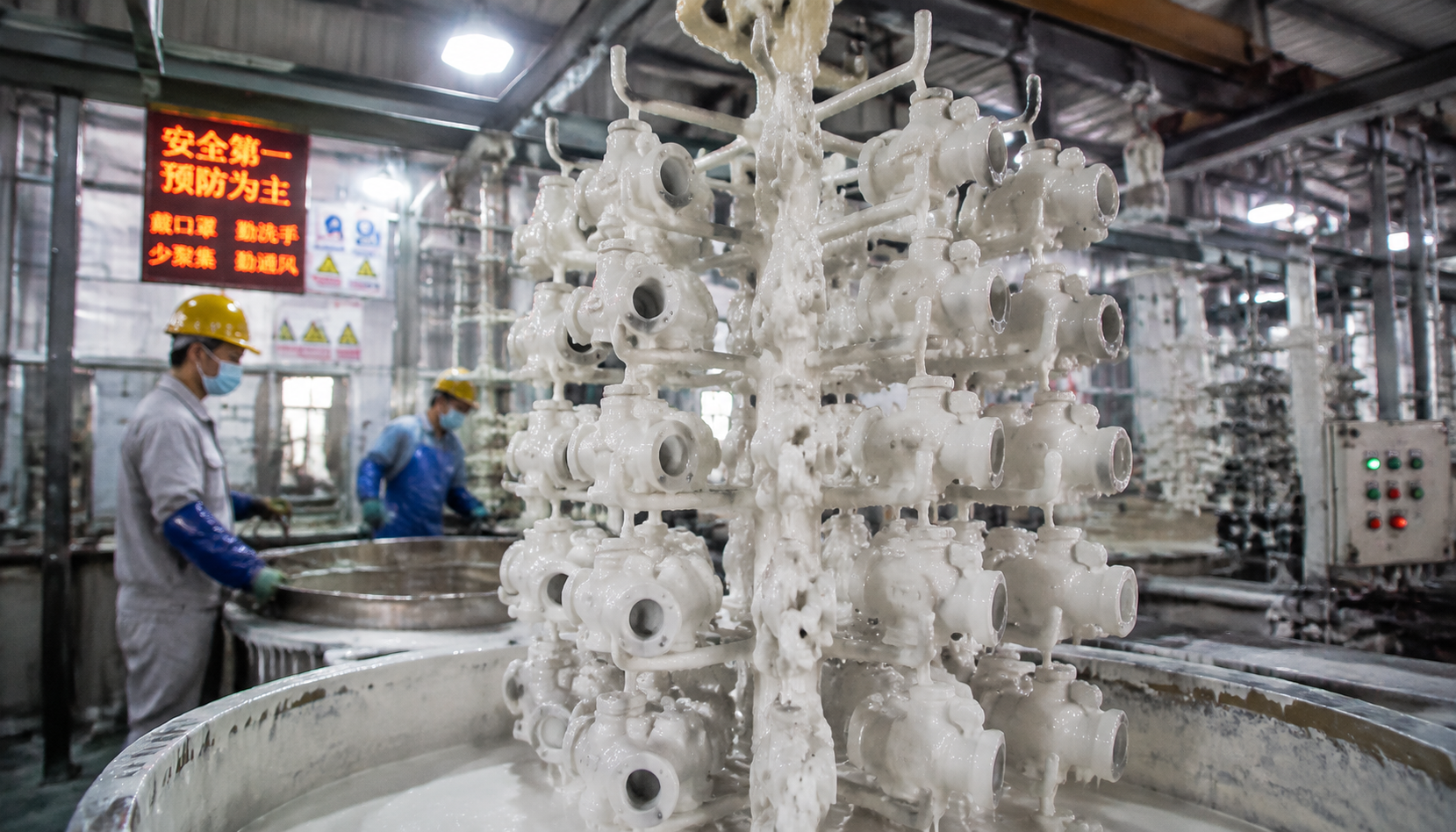
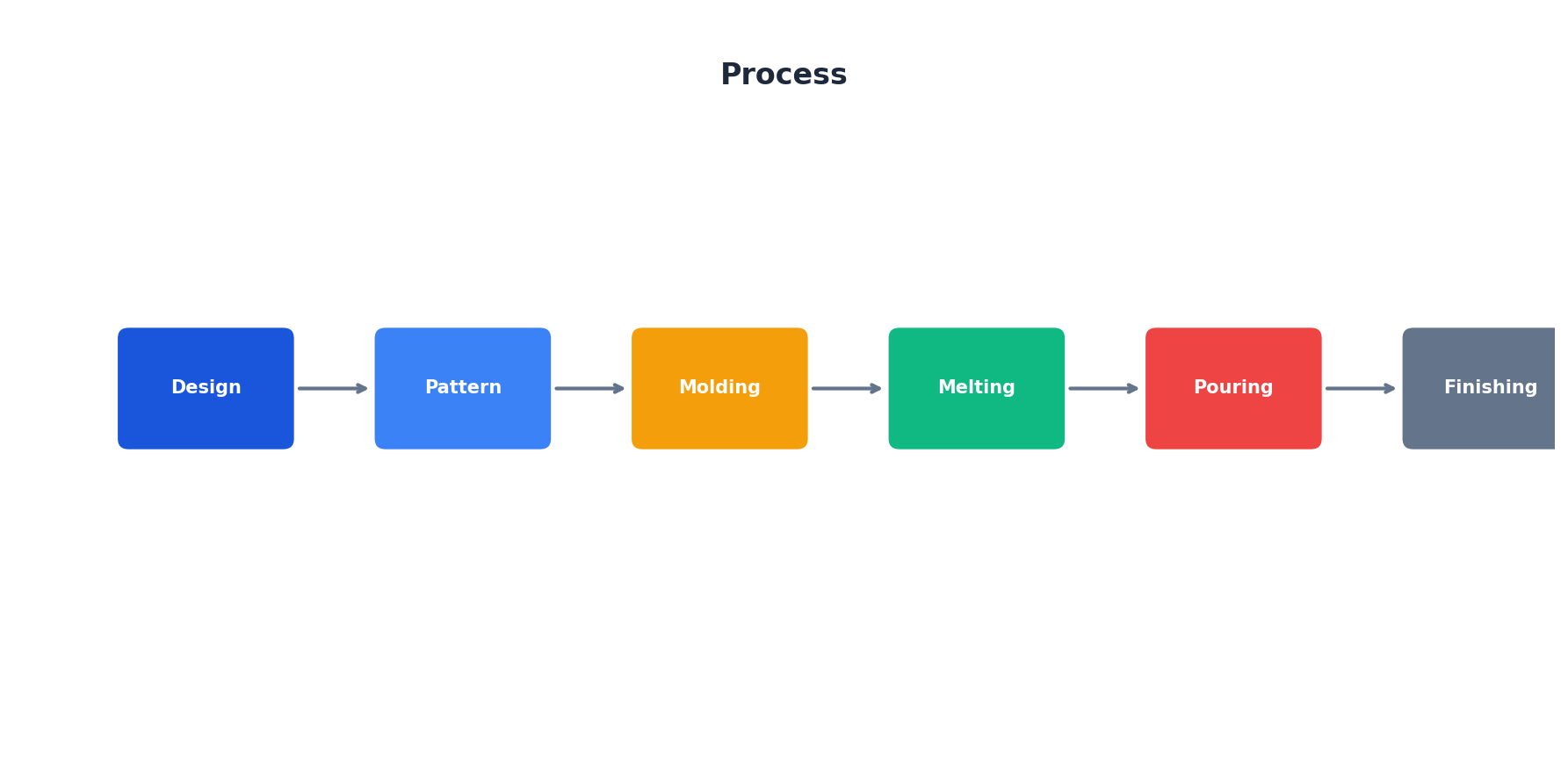
Every investment casting starts with a wax pattern, and every wax pattern gets coated in a ceramic shell. The shell is what holds molten metal at 1,500°C without collapsing. It's built by dipping the wax tree into a slurry — refractory powder suspended in a liquid binder — then dusting it with dry refractory grain, then drying it. Repeat five to eight times, melt the wax out, fire the shell, pour the metal. If you're new to the process, our investment casting guides walk through the full route in more detail.
The refractory powder gets all the attention. The binder is where the money and the defects hide.
There are three binders in commercial use for stainless steel silica sol casting, and they are not interchangeable:
Water glass (sodium silicate). Cheap, water-based, and old. Its chemistry is Na₂O·nSiO₂, which means every shell carries sodium into the furnace. Sodium is a flux — it lowers the refractoriness of the ceramic, attacks the shell at high temperature, and leaves alkali residue that reacts with the stainless surface. Water glass shells are thick, heavy, and require aggressive shell removal by caustic autoclave, which beats up the casting. Surface finish typically lands between Ra 12.5 and 25 μm.
Silica sol (colloidal silica). An aqueous suspension of nano-scale silica particles, usually 8-20 nm, at 20-30% solids by weight. Water-based, essentially alkali-free at the levels that matter (Na₂O typically below 0.4% in alkaline-stabilized grades). The binder gels into a silica network that's chemically close to the refractory itself, so the fired shell is strong, thin, and dimensionally stable. Surface finish normally lands at Ra 3.2-6.3 μm on stainless. This is the mainstream choice for mid-to-high specification stainless investment casting today.
Ethyl silicate (hydrolyzed TEOS). The premium option. Alcohol-based, excellent surface — Ra 1.6-3.2 μm — and used heavily in aerospace and superalloy work. It's also expensive, produces high VOC emissions, and demands tight process control on the hydrolysis step. Most commercial stainless casting work doesn't justify it.
If a supplier's quote says "investment casting" and nothing else, you don't know which binder you're buying. That ambiguity is worth somewhere between 15% and 35% of the piece price, and it's the first thing to eliminate.
Why Stainless Steel Punishes Cheap Binders
Water glass still runs a lot of carbon steel and low-spec stainless work, and for some applications that's a reasonable trade. Stainless is where it starts to hurt, and there are three specific reasons.
Pouring temperature
304 and 316 pour somewhere around 1,480-1,560°C depending on section thickness, with thin walls pushing toward the top of that range. At those temperatures a sodium-bearing shell softens and can sag, which shows up as dimensional drift or, in bad cases, a run-out. Silica sol shells hold hot strength better and fire at 1,000-1,150°C, which is higher than the 850-950°C envelope water glass shells tolerate.
The surface is the product
For a carbon steel bracket, a rough surface is cosmetic — grind it and move on. For a stainless part in a food line, a pharma skid, a marine fitting, or a semiconductor gas line, the surface oxide layer is the corrosion barrier. Sodium and silicate residue from a water glass shell creates chromium-depleted zones and entrapped inclusions in the outer few hundred microns. The part looks fine. The metallurgy isn't.
Pickling and passivation amplify the damage
Here's the part that catches buyers off guard. A subsurface pit or a silicate inclusion that's invisible in the as-cast condition becomes a black speck after nitric-hydrofluoric pickling and a full-blown pit after electropolishing. That's not a rework. You can't fill a pit with a re-passivation bath. The part is scrap, and by then it's already been machined, which means you've lost the casting cost and the machining cost.
There's a secondary benefit too: silica sol shells hold detail better, so the practical minimum wall thickness drops. Water glass shops on stainless get nervous below about 3 mm. Silica sol shops run 2.0 mm routinely and 1.5 mm with a prototype run.
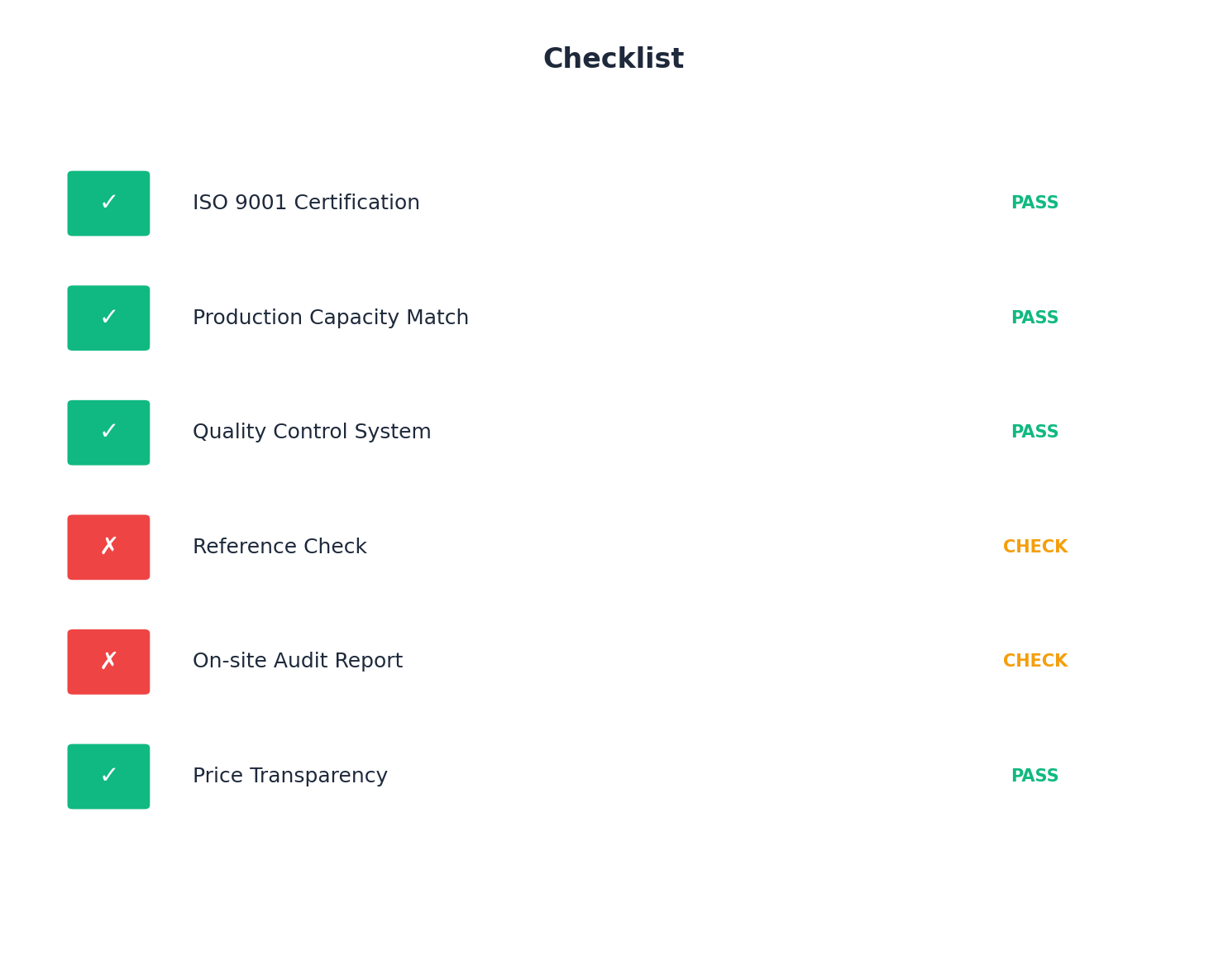
The 7-Point Vetting Checklist
Get written answers to these before you release a PO. Not verbal, not "yes of course." Written, on the quote or in the technical agreement.
1. Binder documentation
Ask for the silica sol supplier's datasheet and a batch certificate of analysis. A legitimate shell-grade colloidal silica will declare SiO₂ content (typically 20-30 wt%), particle size (8-20 nm), pH (9.0-10.5 for alkaline grades, 3.5-4.5 for acidic grades), specific gravity (1.15-1.21), and Na₂O content. If a foundry can't produce that document, they're buying unlabeled drums from a trading company and they genuinely don't know what's in the binder.
2. Shell coat count and backup sand
A stainless silica sol shell typically runs five to seven coats: one or two prime coats with fine zircon or fused silica, then four or five backup coats, then a seal coat. The prime slurry is where the surface finish comes from, so ask specifically what's in it. Water glass shells run three to five coats with coarser stucco. A foundry that says "we do six coats" but can't name the backup grain is reciting a number, not a process.
3. Wax type and reclaim ratio
Virgin pattern wax versus recycled wax is the quiet driver of dimensional drift and ash inclusions. Good shops track their reclaim ratio and keep it under about 30%. Ask what wax they inject, at what pressure, and how they manage reclaim. Also ask how the pattern dies were made — aluminium or steel dies hold up better than resin for a long run.
4. Shell firing temperature
Silica sol shells are typically fired at 1,000-1,150°C. If a shop quotes 850°C, they're running water glass parameters on a silica sol binder, which means the shell never fully sinters and the hot strength claim is fiction.
5. First-pass yield disclosure
Ask for their first-pass yield on a comparable part — similar weight, similar wall thickness, similar stainless grade. Water glass shops running stainless commonly report 75-85%. Silica sol shops report 88-95% on the same geometry. This number matters more than the unit price, because it determines whether the price you agreed to is the price you'll actually pay by the time you've sorted scrap and reordered.
6. Heat treatment control
Solution annealing for 316 and 316L runs at roughly 1,040-1,120°C followed by water quench or rapid air cooling. Slow cooling leaves you with sigma phase and sensitized grain boundaries — the part passes hardness and fails corrosion. Ask to see a furnace chart with the actual recorded curve, not a generic setpoint list. Unrecorded gas furnaces are common in low-tier shops and they're a risk you can't quantify.
7. Laboratory and third-party access
Where does chemical analysis happen? In-house optical emission spectrometer, or shipped out to SGS, BV, or TÜV? Do they run penetrant testing in-house? And critically — will they accept a witness pour with your inspector or a third party present? A shop that refuses a witness pour is answering the question for you.
Grades: What to Specify on the Drawing
Buyers routinely conflate casting grades with wrought grades, and it causes real problems downstream. ASTM A351 CF8M is not ASTM A182 F316. They're chemically similar, but the cast grades have lower ductility and tensile requirements, and they're specified against casting standards with their own test bar rules.
| Cast grade | Standard | Wrought cousin | Typical use |
|---|---|---|---|
| CF8 | ASTM A351 | 304 | Food equipment, general corrosion |
| CF8M | ASTM A351 | 316 | Chemical, marine, 2-3% Mo |
| CF3M | ASTM A351 | 316L | Pharma skids, welded assemblies, C ≤0.03% |
| CA6NM | ASTM A743 | — | Hydro turbines, valve bodies, martensitic |
| CD3MN (Grade 4A) | ASTM A890 | 2205 duplex | Seawater, desalination |
| CD3MWCuN (Grade 5A) | ASTM A890 | 2507 super duplex | Offshore, high chloride |
| CB7Cu-1 | ASTM A747 | 17-4PH | Aerospace fittings, precipitation hardening |
| CN7M | ASTM A351 | Alloy 20 | Sulfuric acid service |
Two things to fix on your drawing template. First, state the cast grade and the standard explicitly — "ASTM A351 CF3M," not "316L." Second, require heat lot traceability: every casting stamped or tagged to a heat number, and the material test report carrying the mechanical results from that specific heat. A report that says "typical properties" is not a material certificate. It's marketing. Our notes on stainless steel grades cover the cast-versus-wrought mapping in more depth if you need to train a buyer on this.
Tolerances and Wall Thickness: Where the Money Leaks
As-cast tolerance for investment casting follows ISO 8062-3, with GB/T 6414 as the Chinese equivalent. The practical range for stainless:
| DCTG grade | Linear tolerance at 100 mm nominal | Who hits it |
|---|---|---|
| DCTG 4 | ±0.6 mm | Good silica sol shops |
| DCTG 5 | ±1.0 mm | Most silica sol shops |
| DCTG 6 | ±1.4 mm | Water glass, low-tier shops |
On wall thickness, the practical numbers for stainless steel silica sol casting:
- 3.0 mm and above: comfortable, low scrap risk, most shops are fine
- 2.0-2.5 mm: the sweet spot for thin-wall work; a competent silica sol shop holds this
- 1.5 mm: possible, expect 5-10% scrap, and prototype first
- Below 1.5 mm: demand a pour trial with section cuts before production release
And don't over-tolerance. If a feature is going to be machined anyway, marking it ±0.1 mm on a casting drawing just raises the price of the casting for no benefit. Mark datum surfaces, mark machined features with their finished tolerance, and let the rest live at casting tolerance. This one change has saved more money on more stainless projects than any sourcing negotiation.
What Drives the Price (And Why $3.80/kg Is a Lie)
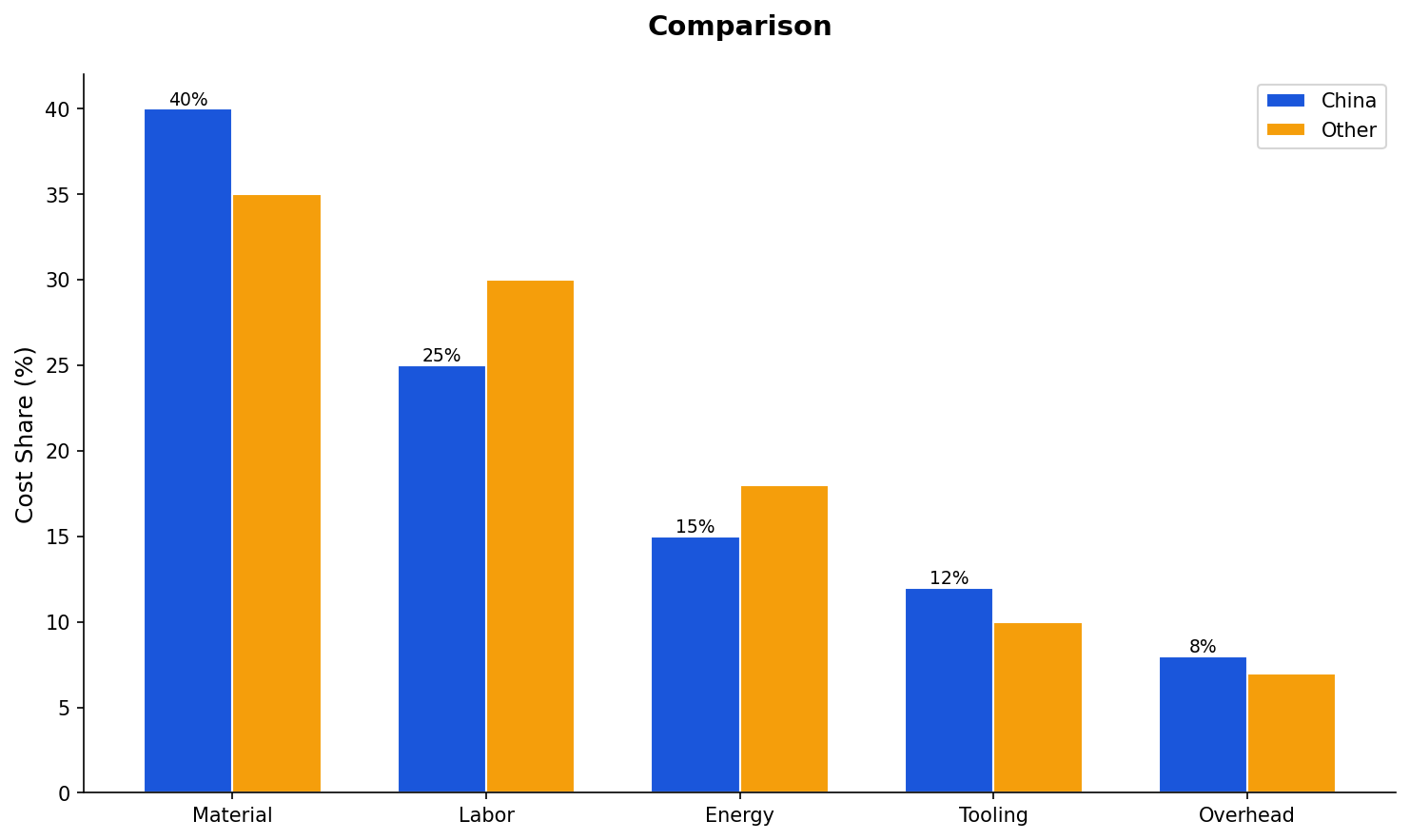
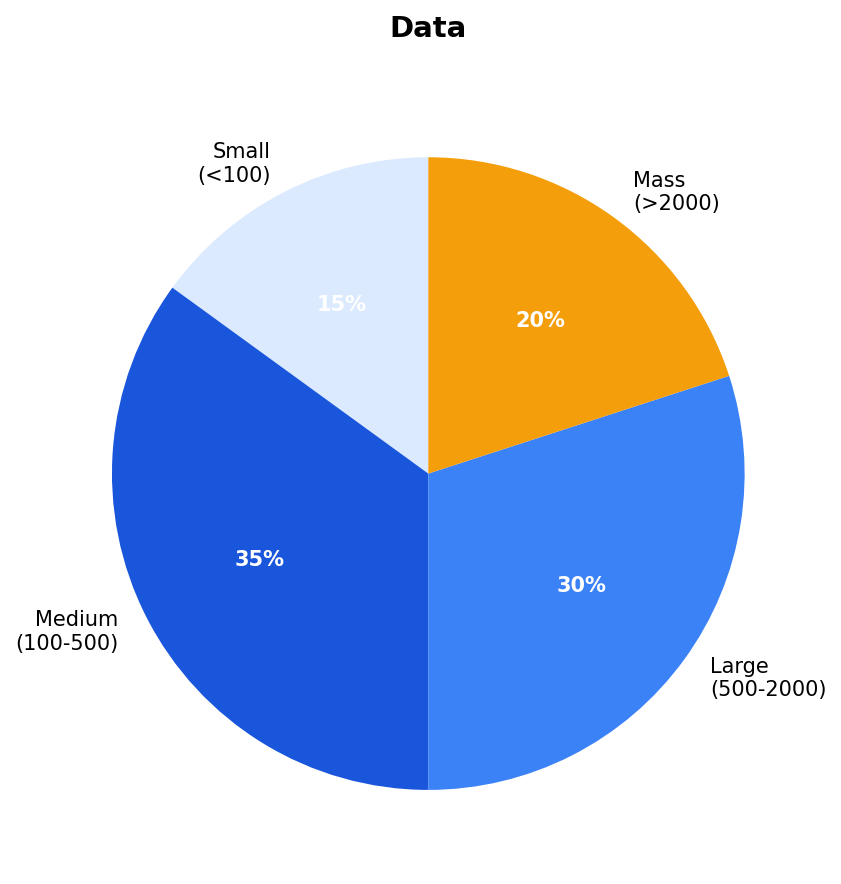
Investment casting quotes are usually per kilogram, which hides everything. Here's roughly where the money goes for a 0.5-2 kg stainless part of medium complexity, FOB China, 2026:
| Cost element | Share of piece price |
|---|---|
| Metal (scrap or ingot) | 30-45% |
| Wax pattern + shell building | 15-25% |
| Melting, pouring, energy | 8-15% |
| Knockout, cutting, grinding, heat treat, pickle/passivate | 10-18% |
| Machining, if quoted | 0-35% |
| Inspection and documentation | 2-5% |
| Freight, duty, margin | balance |
Ballpark price ranges, estimated from 2026 market quotes for medium-complexity parts in the 0.5-2 kg band. Treat these as a sanity check, not a quotation — weight, wall thickness, and machining content swing them significantly:
- Water glass 304: $3.20-4.50/kg
- Silica sol 304: $4.20-6.00/kg
- Silica sol 316/316L: $5.50-8.00/kg
- Duplex 2205: $8.50-13.00/kg
- 17-4PH: $9.00-14.00/kg
So when a quote comes back at $3.80/kg for 316L silica sol investment casting, something is out of balance. Either the material is off-grade, the shell is water glass, the yield is padded with a scrap allowance that never materializes as credit, or the machining is hiding in a separate line. There's no fourth option. Nobody is selling genuine silica sol 316L at water glass prices.
Two questions separate a real operation from an order-taker. First: "Break the price down by process step — what's the metal cost, the wax and shell cost, the labor hours?" Nobody gives full open-book, but a shop that can name those components separately is tracking them. Second: "What's the reorder price at the same quantity, and what changes at 5,000 pieces?" If the first quote was a teaser, this question surfaces it.
Six Traps and How to Catch Them
Trap 1 — The water glass switcheroo
The quote says silica sol. The shell room runs sodium silicate. Catch it three ways. Ask to photograph the shell scrap after knockout — silica sol shells fire white to cream and are visibly thinner per coat; water glass shells are grey, heavier, and glassy where the sodium has fluxed the surface. Require a first-article surface roughness report measured against a specified Ra using ISO 21920 or ASME B46.1; if they claim Ra 3.2 and the profilometer reads 12, you have your answer. And write binder type into the technical agreement as a controlled specification: substitution without written approval means lot rejection at the supplier's cost.
Trap 2 — Recycled wax
Symptoms show up as dimensional drift across a batch, ash inclusions under the shell, and inconsistent surface on parts from the same run. Fix it by putting a reclaim ratio ceiling in the technical agreement and running a dimensional check on the first article plus a mid-batch sample.
Trap 3 — Skipping the solution anneal
316L that gets slow-cooled instead of quenched can carry sigma phase and sensitized grain boundaries. The part passes a hardness check and fails corrosion testing six months later in the field. Demand the furnace chart with the actual recorded curve, and for corrosion-critical parts, require ASTM A262 Practice E intergranular corrosion testing on a sample lot.
Trap 4 — Grade substitution
304 sold as 316 is the oldest trick in the book and the easiest to catch. A positive material identification gun on arrival, on a sample of the lot or on every distinct heat, will tell you the molybdenum content in seconds. 316 needs Mo at 2.0% or above. If a supplier resists PMI or insists you rely on their own report, stop negotiating and start looking. See our PMI inspection notes for the arrival-side protocol.
Trap 5 — Undisclosed weld repairs
A surface pit gets filled with weld, blended smooth, and passes a visual inspection. It fails under penetrant testing, or it cracks in service along the heat-affected zone. Require penetrant testing on all pressure-boundary surfaces, and require a weld repair map disclosing locations if weld repair is permitted at all — referenced to ASTM A488 or your own specification. For critical parts, specify no weld repair permitted, full stop.
Trap 6 — Surface finish inflation
"Smooth surface, Ra 3.2" in the quote, Ra 8 on the pallet. Surface roughness is only a specification if it names the measurement standard, the measurement location, and the acceptance sample. Add all three, and put a first-article surface roughness report in the pre-production documentation package.
The Inspection Protocol
Before production: a first article inspection report with a full dimensional layout against the drawing, material cert for the exact heat, the process sheet covering wax injection parameters, shell coat count, firing curve, pour temperature and heat treat curve, and sample castings released to you for your own section cut and hardness check.
During production: a witness pour, yours or a third party's. In-process dimensional checks at roughly 10% and 50% of the run. In-process penetrant testing on pressure-boundary surfaces.
On arrival: PMI spot check by heat or on a 10% sample. CMM dimensional check on an AQL sample. Penetrant testing on pressure-boundary surfaces or a statistically valid sample. Surface roughness with a profilometer. Hardness. For corrosion-critical service, ASTM A262 on austenitic grades or ASTM G48 on duplex. And a documentation audit — MTR heat numbers matching the tags on the physical parts. More detail on the NDT side lives in our NDT and inspection guides.
The single most common reason a stainless casting lot fails is not the casting. It's the buyer accepting the foundry's test report as the only test report.
Frequently Asked Questions
Is silica sol casting more expensive than water glass casting?
Yes — typically 15-35% more per piece for the same geometry. The gap comes from binder cost, two extra shell coats, and the process control that goes with them. But once you factor in first-pass yield and the scrap you avoid at the machining and passivation stages, the delivered cost of silica sol parts often lands within 5-15% of water glass. And the parts actually clear incoming inspection, which is the part that shows up in your production schedule.
What's the minimum wall thickness for stainless steel silica sol casting?
2.0 mm is reliably producible at a competent shop. 1.5 mm is doable, but budget for 5-10% scrap and prototype before you commit. Below 1.5 mm, insist on a pour trial with section cuts.
Can silica sol investment casting hold ±0.1 mm?
Not as-cast. As-cast tolerance for investment casting generally lands in ISO 8062-3 DCTG 4-5 — roughly ±0.6 to ±1.0 mm on a 100 mm dimension. If your drawing says ±0.1 mm, there's a machining operation in the routing whether you've priced it or not.
How can I tell whether a foundry actually runs silica sol?
Three checks, in order of reliability. Ask for the binder COA with SiO₂ and Na₂O content. Ask to see and photograph the shell scrap after knockout — silica sol shells fire white to cream and are thinner per coat. And require a first-article surface roughness report against a stated Ra with a stated measurement standard. Any one of those three will expose a substitution. All three together make it very hard to hide.
Which stainless grades work with silica sol investment casting?
Anything pourable in the 1,450-1,580°C range: CF8 and CF8M, CF3M/316L, CA6NM, duplex CD3MN and CD3MWCuN, 17-4PH/CB7Cu-1, CN7M, and a range of nickel-based alloys. If a foundry tells you silica sol doesn't suit duplex, what they usually mean is that they don't run duplex.
Next Steps
Pull your last three stainless casting RFQs and read them. Did any of them specify the shell binder? If the answer is no, that's the gap to close before anything else — and it's a fifteen-minute fix on your template.
Then add three clauses to your standard purchase order language: binder specification with substitution prohibited without written approval, surface roughness stated with the measurement standard and location, and weld repair disclosure referenced to a welding standard or prohibited outright.
Before you release any production quantity, order a first article with a section cut and a surface roughness report. That single order costs a few hundred dollars and it's the cheapest defect-detection instrument you'll ever buy.
And get a PMI gun, or budget for third-party PMI on arrival. On a $47,000 lot of 316L, a $400 PMI check is not a cost. It's the difference between finding out about a grade substitution on your loading dock instead of on your customer's production line.