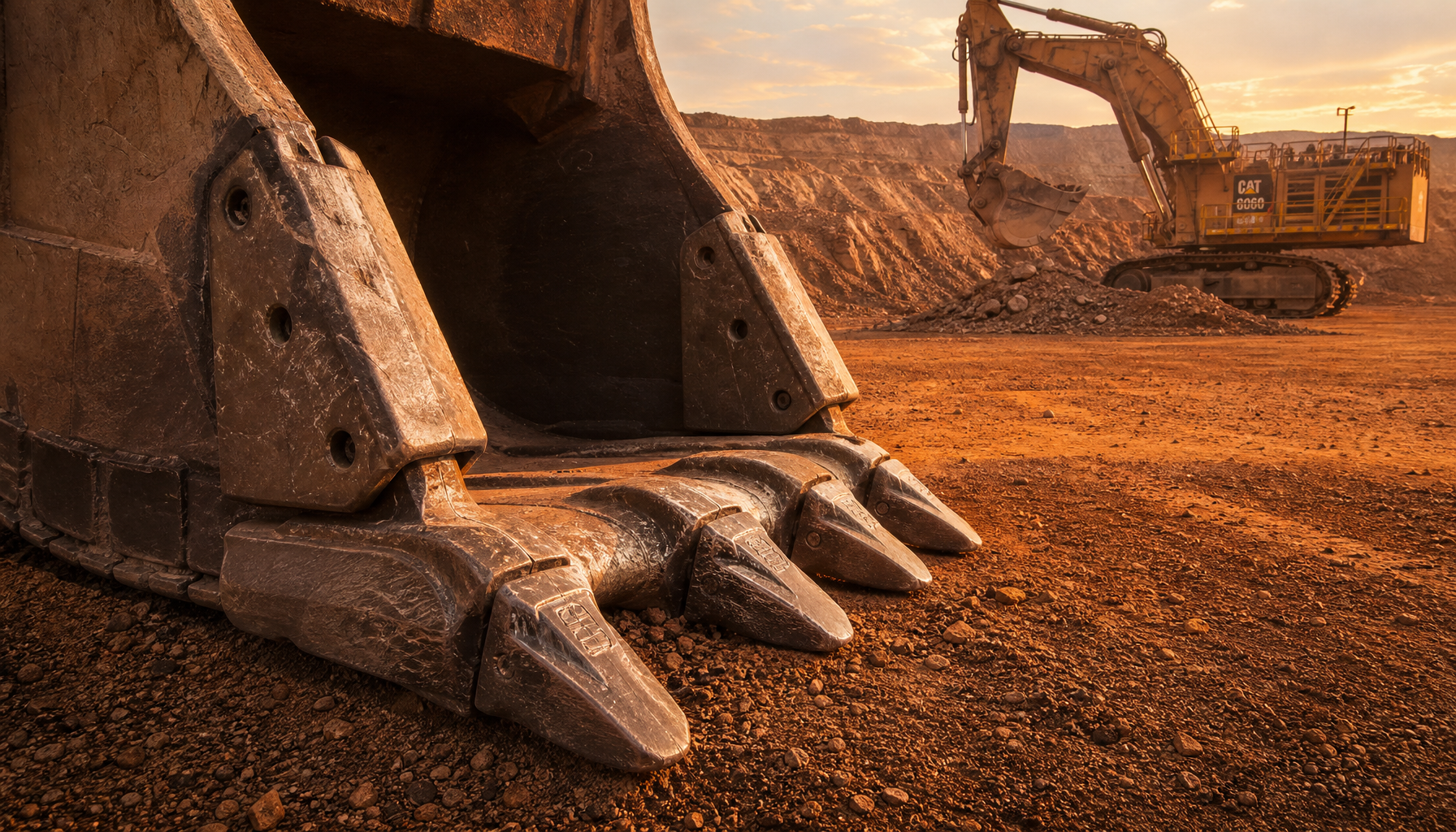
It wasn't the casting that failed. It was the whole line.
In 2019, a mining operation near Kalgoorlie, Western Australia — let's call them Summit Iron — signed a purchase order for a batch of bucket tooth blocks from a supplier who was 28% cheaper than their incumbent. Seemed like a smart procurement move. Sounded good in the boardroom presentation.
Six weeks in, a tooth block snapped on the night shift. Not a crack. A clean break. One moment it was running, the next the whole excavator was down.
You'd think a single steel block is nothing. But it jammed into the crusher feed, and by the time they extracted the debris, swapped in a spare, and realigned the grizzly, they'd lost 14 hours. At $34,000 an hour in lost production, that one "savings" decision — about $12,000 in price difference — turned into a $476,000 problem. Before the damage to the crusher itself.
I've spent 20 years buying castings for mine sites across Australia. Robert Davis, a Georgia-based wholesaler who buys more than $1.5M in castings every year, told me once: "People don't get burned by the casting. They get burned by the gap between what they think they ordered and what actually ships."
That's what this article is about — closing that gap.
If you're buying mining machinery castings for the first time, or switching suppliers after getting burned, here's the exact 7-point checklist I run on every new foundry. No exceptions. No skip buttons.
1. Verify They're Actually a Foundry — Not a Trading Company With a Website
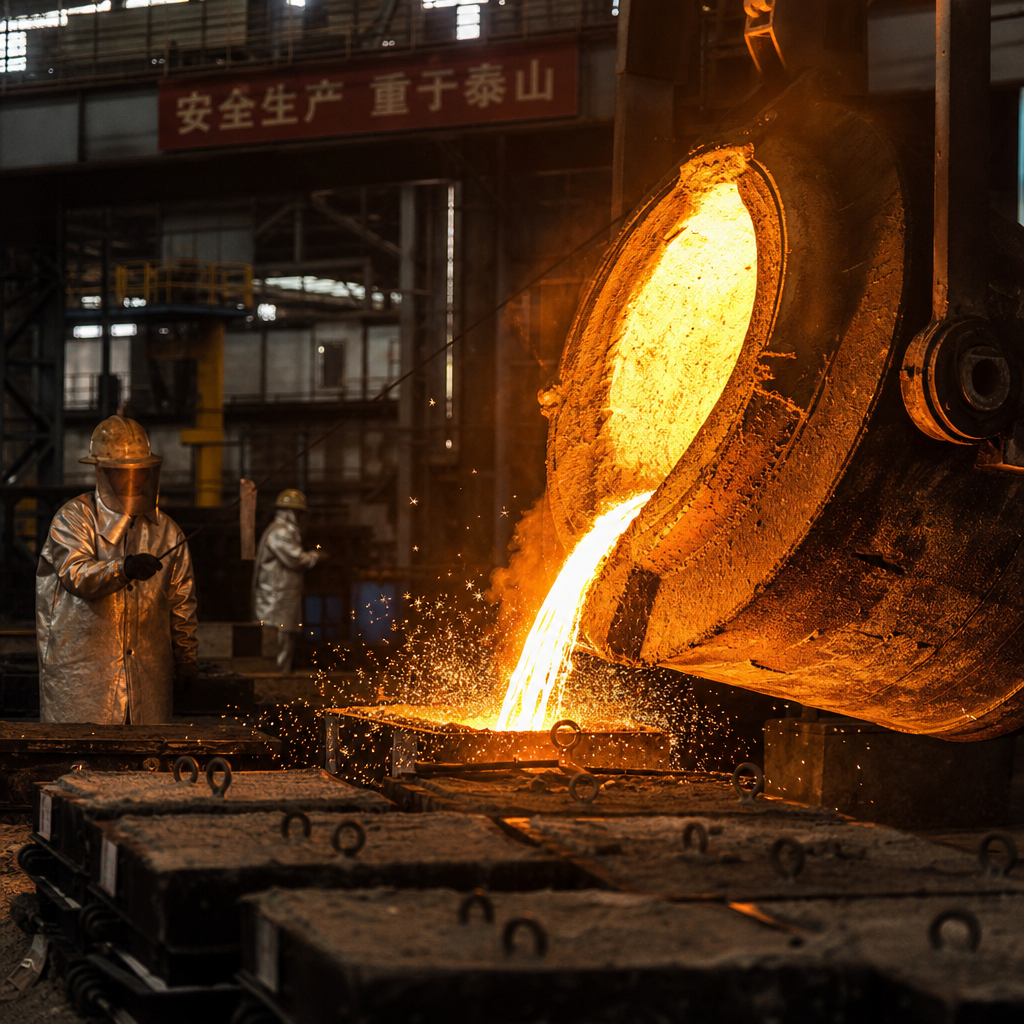
The #1 issue I see with buyers — especially ones coming from Australia or the US — is that they Google "mining machinery castings supplier," land on a polished website, and assume they're talking to a foundry. Often they're not.
China alone has an estimated 4,500+ ISO 9001 certified foundries, but that number includes a massive tier of trading companies operating out of office buildings in Shanghai and Shenzhen. They have beautiful catalogs. They have salespeople who speak fluent English. They do not have a furnace.
Here's how you verify in one call:
- Ask for a live video walkthrough — not a pre-recorded video. Have them point the camera at the induction furnace, the sand processing line, and the finishing bay. A real foundry will do this without hesitation.
- Check their export license — in China, foundries producing structural safety parts need specific export compliance documentation. Ask to see it.
- Google Earth the factory address — if the "factory" address maps to an office high-rise, you have your answer.
Robert puts it bluntly: "The certificate doesn't make the foundry. The furnace does. If they can't show me the pour, I'm out."
Bottom line: you need a supplier with skin in the game. It's a five-minute verification that saves you six months of pain.
2. Big-Part Capability: Can They Actually Handle What You Need?
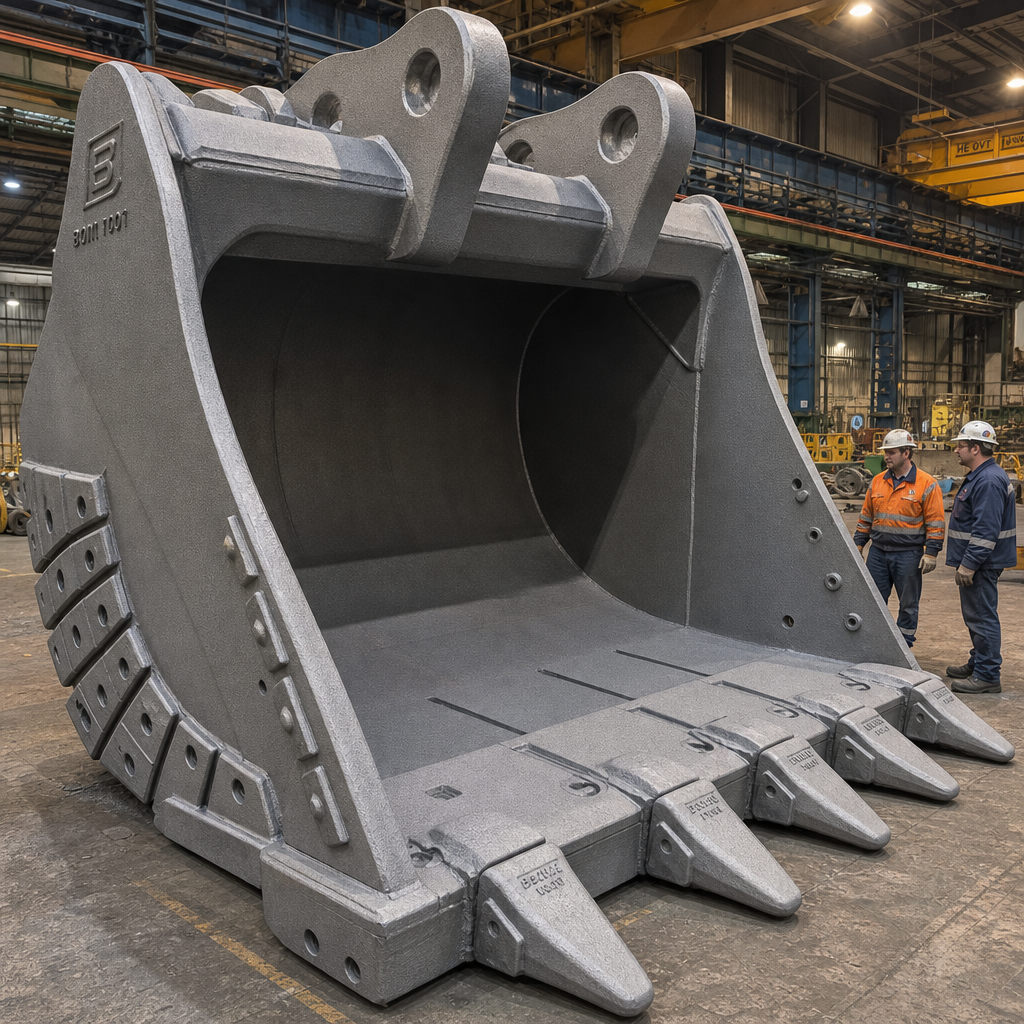
Mining machinery castings aren't small. A single excavator bucket can weigh 8 to 20 tonnes. The dipper itself, the bucket teeth adapters, the boom linkage castings — these are high-stress components that need proper section thickness, internal soundness, and careful riser design.
The mistake I see buyers make is assuming "a foundry can cast it" just because the foundry said "yes, we can cast it." Never trust the sales rep's word on something this critical. Instead:
- Check their maximum pouring weight. A foundry's capacity is defined by their crane capacity and ladle size. If they say they can do 5-tonne castings but their max crane is 10 tons, that's cutting it uncomfortably close. You want margin.
- Ask about their pattern shop. For big parts, wood patterns or CNC-machined metal patterns are a significant investment. Who builds them? How quickly can they be modified if you change designs?
- Look at their heat treatment capacity. For structural mining castings, proper heat treatment (normalizing, quenching & tempering) isn't optional. If they don't have in-house heat treatment, your castings might wander around the supply chain for weeks — and you'll never know if the treatment was actually done right.
A quick calculation: a 3.6-tonne bucket tooth adapter casting needs roughly a 5-tonne heat treatment furnace. Ask for photos. Ask for the furnace's documentation.
One foundry I evaluated last year had the capacity for sand casting big parts — but they had to subcontract heat treatment to a facility 400 km away. That's a red flag. Heat treatment is where internal stresses get removed. If it's outsourced, your quality control just moved outside your supplier's walls.
3. Lead Times: The Number That Shuts Down Your Mine
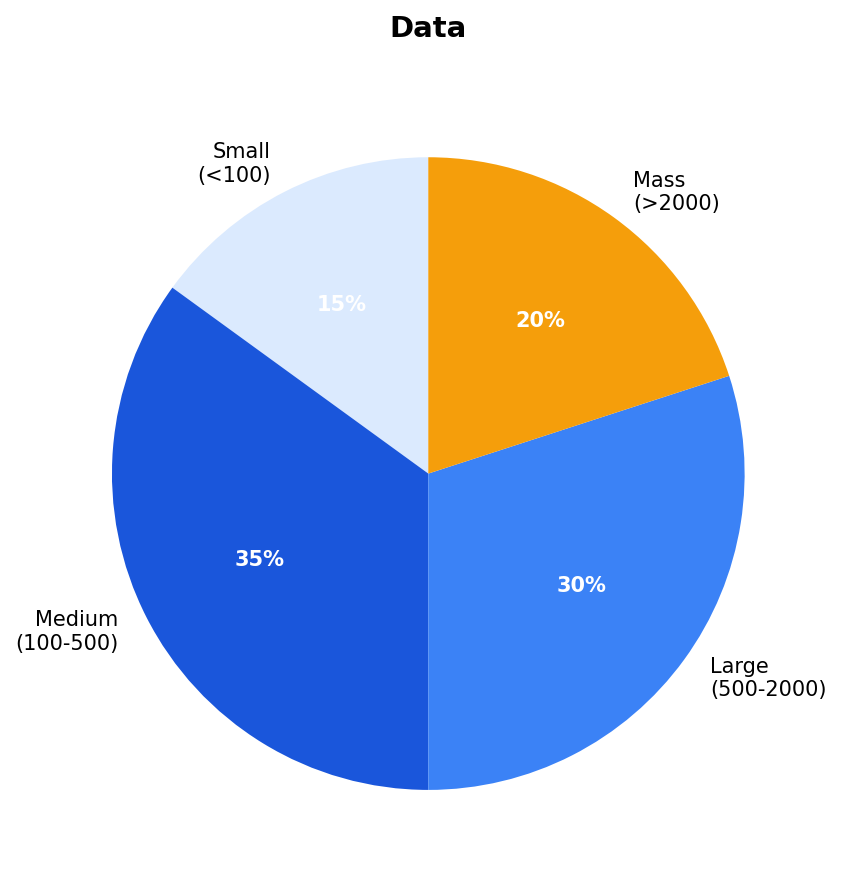
Every mining services buyer has a lead-time horror story. Realistic expectations? For large custom mining castings from Chinese foundries, here's the honest math:
- Pattern making: 2–4 weeks (if new patterns are needed)
- First article / sampling: 3–5 weeks after pattern approval
- Production: 4–8 weeks depending on foundry load
- Heat treatment + machining: 1–2 weeks
- Inspection + shipping: 1–4 weeks to port
Total realistic land-to-door: 10 to 16 weeks. Anyone quoting you 6 weeks is either lying or planning to skip critical steps (like first article inspection) to hit an impossible date.
What actually matters is not the number they quote, but their on-time delivery rate over the last 12 months. Push for this. A supplier that's willing to share their delivery data is a supplier that's tracking it — and that's the signal you want.
I'd rather work with a foundry that says "12 weeks and we'll hit it 95% of the time" than one that says "6 weeks, we'll try" and then delivers in 14. Because "try" isn't a plan. It's a fiction.
4. See Past the Certificate: What's Actually in Their Quality System?
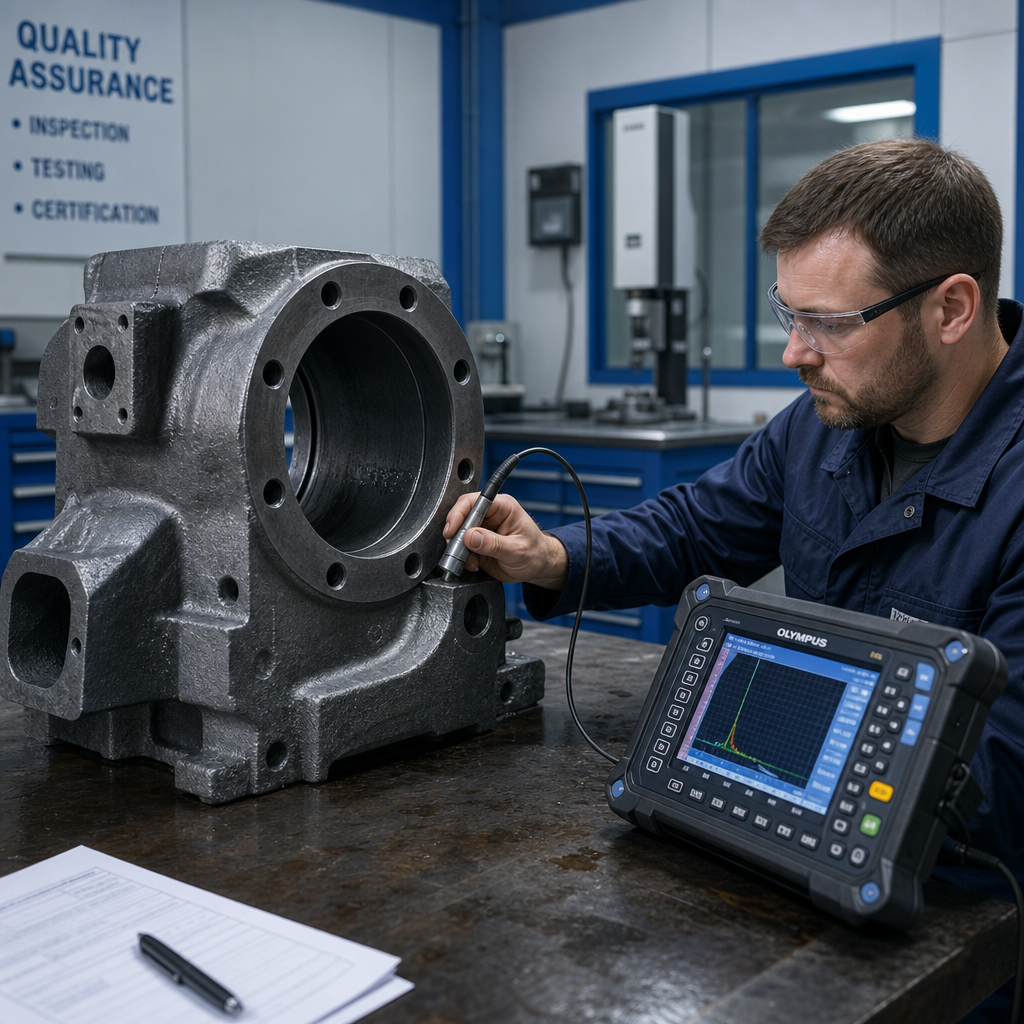
Everyone has ISO 9001 on the wall. I've seen it in foundries that couldn't produce a coherent mold record.
When you're buying critical mining machinery castings — bucket teeth, wear plates, dipper components, crusher parts — you need more than a generic quality certificate. You need their quality plan. Here's what I ask for:
- Material test certificates — actual mill certificates for the steel, not a summary. For structural parts, you want full chemical composition and mechanical property data for every heat.
- NDT reports — X-ray (RT) or ultrasonic (UT) inspection records, especially for castings with high service loads. Porosity is the #1 killer of mining castings.
- First article inspection (FAI) dimensions — if it's a new pattern or design, you need dimensional verification. Not a random check. Full FAI report.
- Traceability from melt to pour — every casting serial number should trace back to a specific heat, a specific pour date, and specific heat treatment records.
Robert's advice is direct: "I always request a cost breakdown before signing. But I also request a sample of their quality reports — before I commit. If they send me a generic PDF, I'm gone. If they send me a real report with real numbers and real serials, we're getting somewhere."
Bottom line: any decent foundry will happily provide examples of their quality documentation. The ones that hesitate? That hesitation is your answer.
5. The Price Isn't the Price: How to Read a Casting Quote
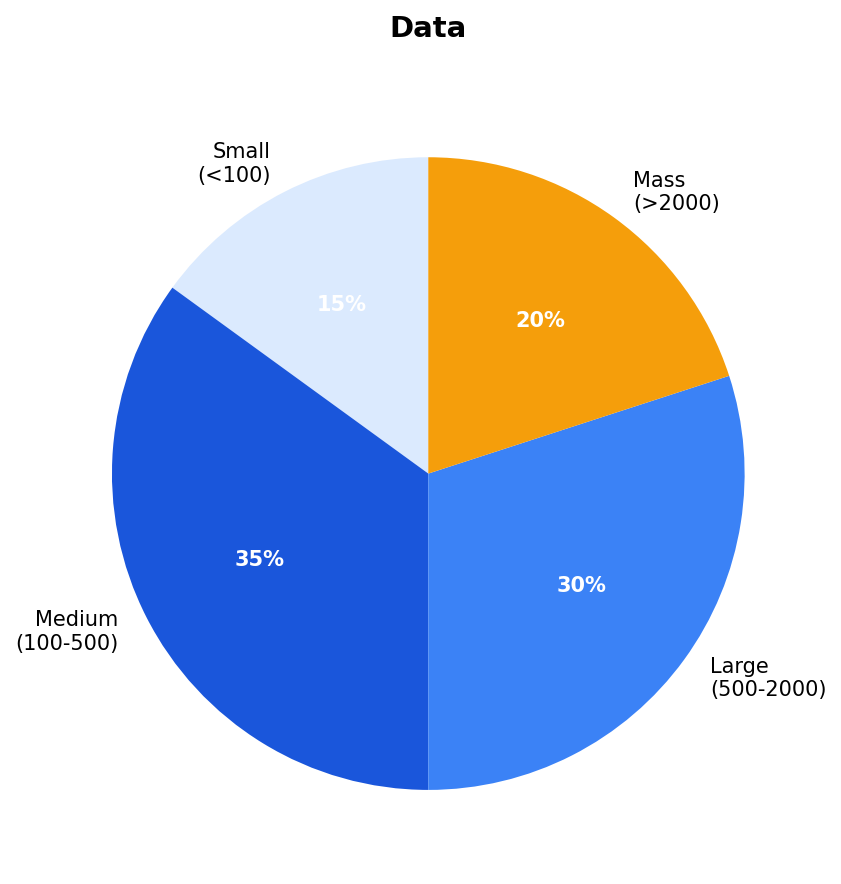
Here's the thing about mining machinery casting prices: they're not one number. They're a stack of numbers, and the stack is where value hides — or leaks.
At 2026 current market rates, a typical structural mining casting from a Chinese foundry might break down like this:
- Raw steel / alloy material: roughly 35–45% of the quote
- Pattern amortization: 10–20% (one-time or per-piece)
- Molding & pouring labor: 15–25%
- Heat treatment: 5–10%
- Machining: 10–20% (if applicable)
- Inspection, packing, and handling: 5–8%
If you see a quote where the total is suspiciously low compared to the material cost alone — say, the foundry quotes you $2,800 for a casting where the alloy steel alone should cost $2,200 at market rates — something's being cut. That cut is almost always in heat treatment or inspection.
A good foundry won't just give you a line-item breakdown. They'll explain why each cost exists. Robert's rule: "If they can't break it down, they're hiding something. Period."
Also, don't assume "cheaper" automatically means "worse quality — at least in all cases." The gap between Chinese foundry prices and Australian or American production can be 30–55% for the same spec. The key is verifying what's inside the price, not just the total.
One tip: ask for a quote on both FOB China and DDP to your site. The difference between the two numbers tells you a lot about their logistics competence — and their willingness to take responsibility for the shipment until it reaches you.
6. Spell Out the Quality Gates — In Writing
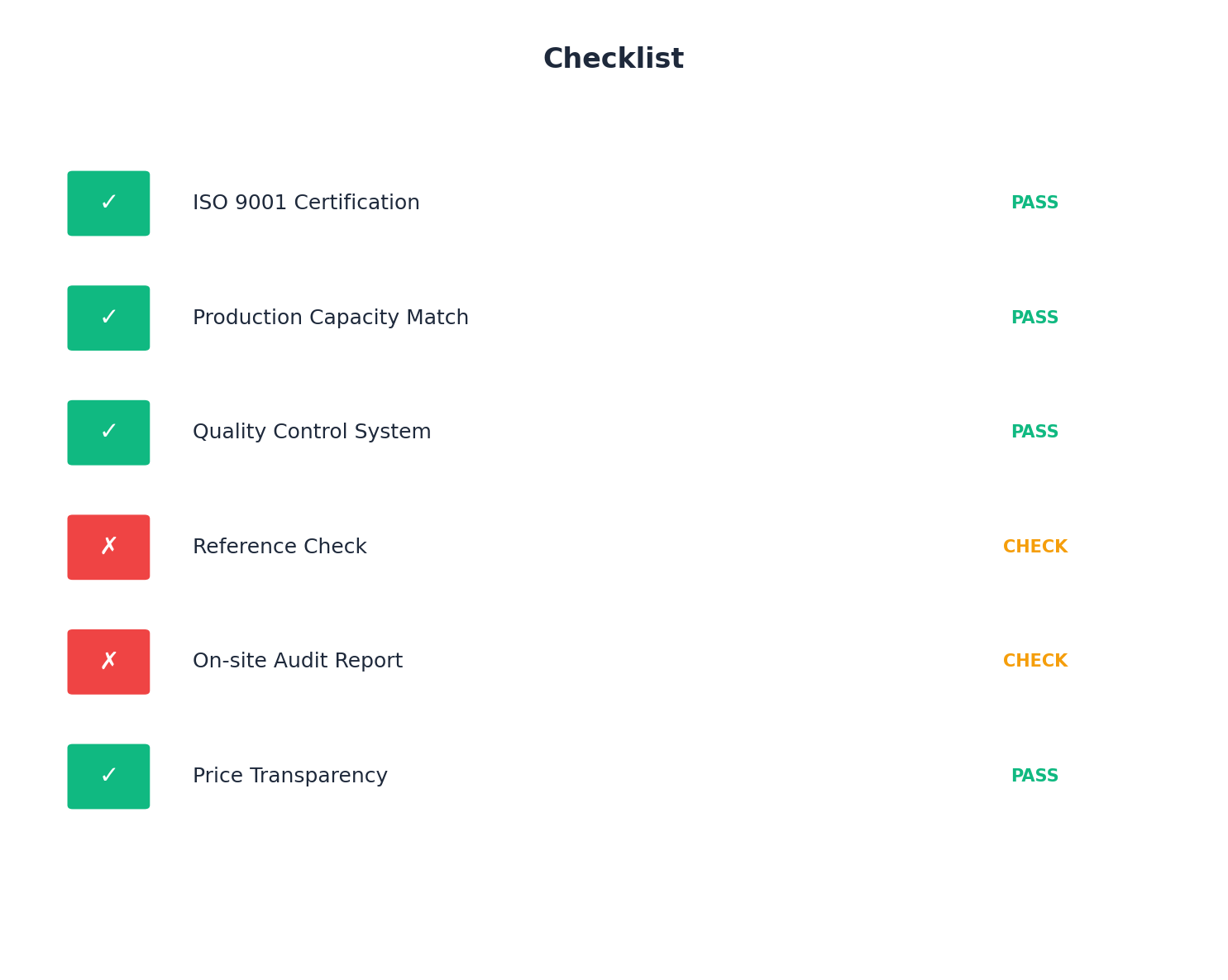
You can't rely on a handshake when the part is 12,000 km away. The quality gate plan needs to be in the contract — explicit, numbered, and non-negotiable.
Here's the gate structure I've used successfully on dozens of mining casting orders:
- Gate 1 — Raw material incoming: certified mill specs, chemical composition for every heat, visible stamping on steel bundles.
- Gate 2 — First article inspection (FAI): full dimensional report on the first piece before full production. You approve the FAI before the foundry pours anything else.
- Gate 3 — In-process inspection: wall thickness checks, visual surface quality, witness test coupons from each heat.
- Gate 4 — Post-heat-treatment testing: hardness and tensile results from each heat. Verify heat treatment furnace charts, not just certificates.
- Gate 5 — Final inspection: your own third-party inspector (or a representative you fly in) signs off on the batch before it leaves the factory. Dimensional check, dye penetrant or UT if specified, and traceability paperwork.
And here's something I don't see many buyers do: put a penalty clause linked to each gate. If the foundry misses a gate, the contract should have teeth. A quality manager once told me, "We take quality seriously when the customer's contract makes it cheaper to do it right than to do it twice." Exactly.
If your volume justifies it, consider flying a third-party inspector to the factory for Gate 5. Cost ranges from $1,500 to $4,000 including travel. Compared to a $476,000 failure, that's cheap insurance.
7. Plan for the Failure Mode — Before It Happens
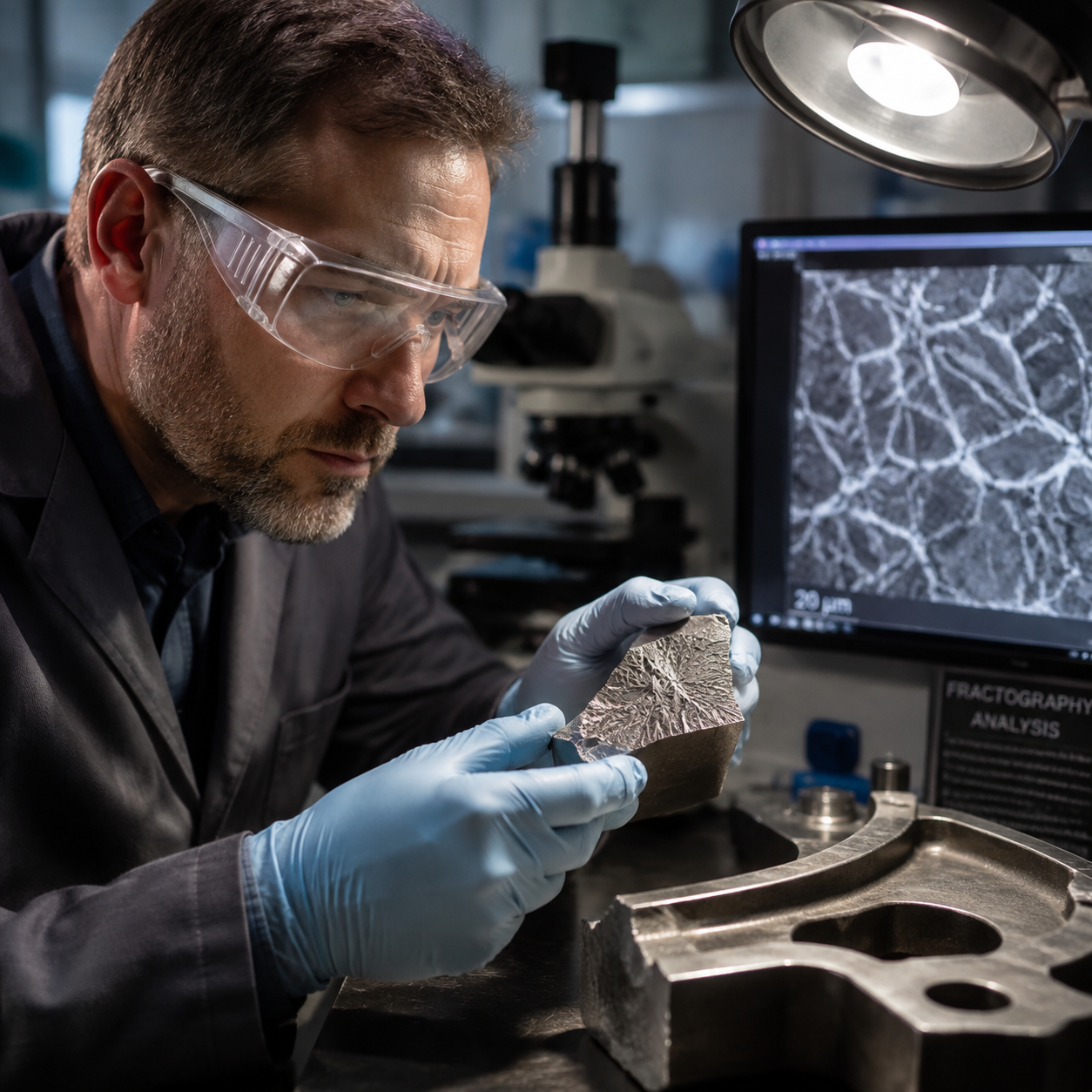
Here's the unglamorous but crucial question: What happens when one of your mining machinery castings cracks in service?
Not "if" — when. Because even the best foundry on Earth can't eliminate every micro-inclusion, and mining environments are brutal. So what's your plan?
- Spare castings at site. Smart buyers always order one spare for every 10 critical wear parts. The cost of a spare is tiny compared to unplanned downtime.
- Warranty terms in plain language. Don't accept "12 months, or as agreed" — define exactly what's covered, how claims are lodged, and what happens if a casting fails under your operating conditions. Who bears the reverse logistics cost?
- Failure analysis protocol. If a casting does fail, you want a clear procedure for getting it analyzed — retained samples, a qualified laboratory, and a timeline for root cause.
I negotiated a contract where the foundry agreed to cover the full cost of replacement plus freight if a casting failed within the first 2,000 hours of service. That clause almost never got triggered. But it forced the foundry to pay attention to their internal quality in a way that no quality plan on paper could.
Five Mistakes That Cost More Than the Casting Itself
- Buying on price alone, without breaking down the components. If you don't know the material cost, you can't judge whether that low quote is a deal or a trap.
- Skipping the FAI to save two weeks. I've seen it a dozen times — the buyer skips inspection to meet an urgent deadline, and the first full batch shows up with a critical dimensional error. Now you're 12 weeks behind and you've paid for the wrong parts.
- Trusting certification without traceability. A piece of paper with a logo isn't verification. Real quality systems have serial numbers, heat lots, and reports you can tie back to a specific pour.
- Under-specifying service conditions. Mining castings are designed for impact, abrasion, and repeated loading. If you don't tell the foundry your actual operating conditions — rock type, bucket size, cycle time — you can't expect them to optimize the steel grade and heat treatment correctly. When in doubt, over-specify.
- Not setting the quality gates in writing. Verbal agreements disappear when the pressure hits. Put every gate, every deadline, and every penalty in writing.
Frequently Asked Questions
What is the typical lead time for mining machinery castings from China?
For large custom castings (bucket teeth, excavator buckets, crusher wear parts), realistic lead times are 10 to 16 weeks from pattern approval to shipment. If your supplier quotes less than 6 weeks, ask exactly what they're skipping — usually it's the first article inspection.
Which casting process is best for mining machinery parts?
Most structural mining castings use sand casting or investment casting. Sand casting handles big parts over 500 kg with lower tooling cost; investment casting gives better surface finish and dimensional accuracy for complex wear parts under 50 kg. High-stress components like bucket teeth often use alloy steels with heat treatment and full traceability.
What certifications should a mining casting foundry have?
ISO 9001 is the baseline. If you're buying critical structural components, you also want material test certifications — AS 1442 for carbon steel, ASTM A148 for structural steel castings — plus third-party testing like UT or MPO to verify internal soundness. Don't accept a certificate you can't verify online.
How much can I save sourcing mining castings from China vs domestic suppliers?
At current rates, you'll typically land between 30% and 55% under Australian or American foundry prices for the same casting — before freight and duty. A $6,800 bucket tooth block from the US might cost $2,900–3,600 landed in Perth from an ISO 9001 Chinese foundry. The gap is real, but only if you verify what you're actually getting.
What causes mining castings to crack or fail prematurely?
Usually porosity and stress risers — not the steel grade. Micro-porosity in the radial section concentrates stress and starts micro-cracks that propagate under impact loading. That's why a casting can fail at 60% of expected life even though chemistry meets spec. Request X-Ray or UT inspection reports on first articles and random samples from production runs.
Want This as a PDF Checklist?
Grab the 7-point supplier verification checklist — the exact same one I use when evaluating foundries. No email wall, no drip campaign, nothing to buy.
Download the ChecklistJames Thompson has spent 20 years buying castings, forgings, and fabricated components for mining service companies across Australia. He now helps mining operations source reliable suppliers through Intercontinental Supply's procurement platform. Have a specific casting question? Get in touch — he actually replies.