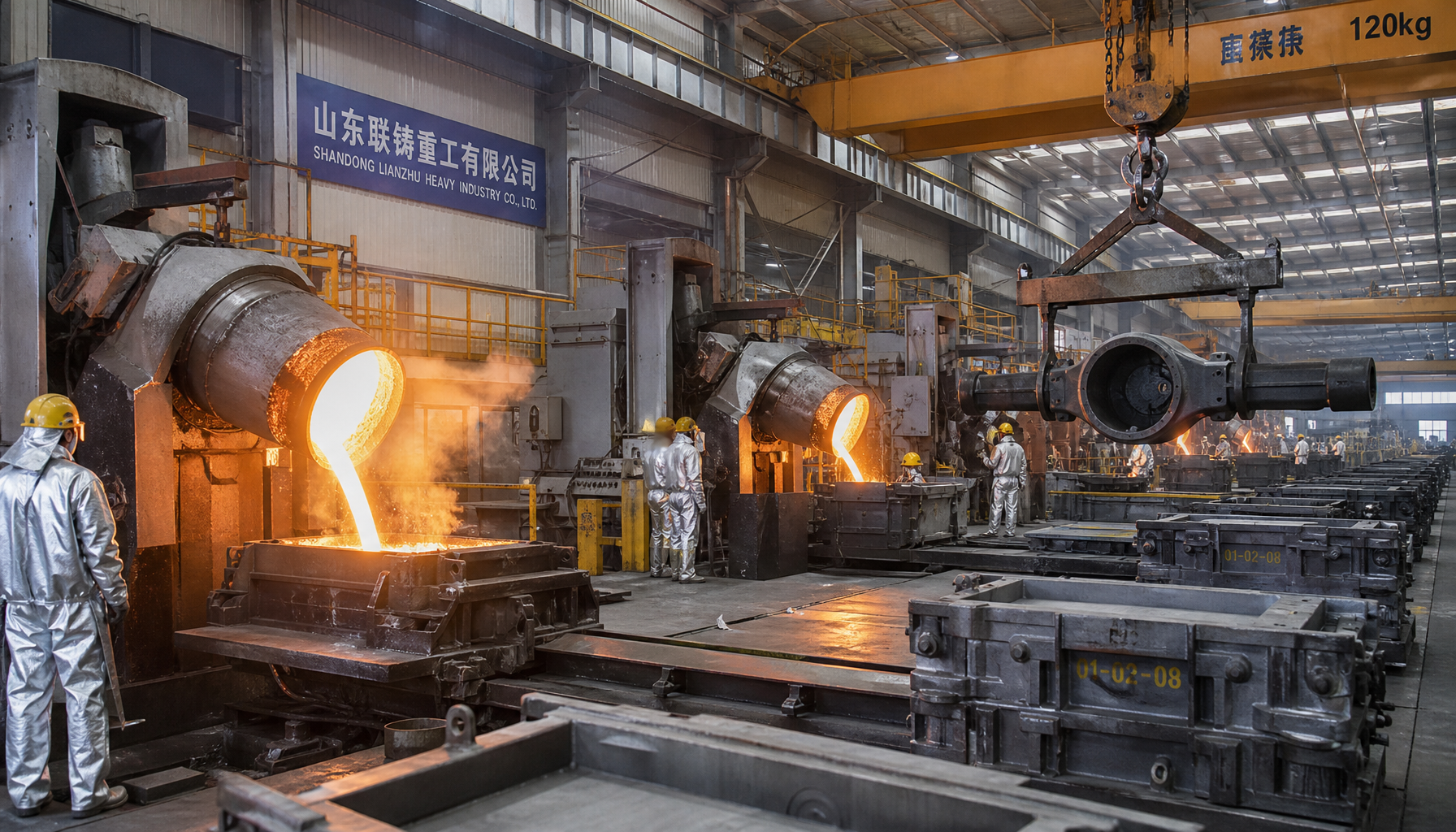
You took three containers of gearbox housings from a new supplier. The quote was 22% under your previous vendor. Samples looked fine. First article report was clean. Then your incoming inspection team cut one open.
X-ray showed shrinkage porosity across 12% of the lot. The chemistry on the mill cert didn't match the actual melt. The tin content was off by 0.4%. Your assembly line runs Monday.
That story doesn't end with a refund. It ends with air freight, expedited re-machining at a shop that wasn't expecting you, and a purchasing manager explaining to production why the line is dark for eleven days.
Truck castings are one of the worst categories to get wrong. The parts are heavy. The tooling is expensive. Lead times stretch past a quarter. And the failure modes—porosity, wrong nodularity, missed heat treat—don't show up until you've already paid, shipped, and installed them.
Here's what actually goes wrong, and how to keep it from happening to you.
Why Truck Castings Are Harder to Source Than Passenger Car Parts
Truck components are a different animal, and a lot of the sourcing playbook that works for passenger car parts falls apart here.
Parts are big. A Class 8 truck axle housing weighs 80–150 kg. A brake drum is 40–65 kg. A transmission housing for a 12-speed automated manual runs 35–60 kg in A380 aluminum. That mass matters because scrap cost scales with weight.
A 6% scrap rate on a 120 kg ductile iron housing at $1.60/kg is $11.50 of lost metal per good unit—plus the melt energy, labor, and mold you burned producing the bad one.
Volumes are lower. A passenger car platform might run 400,000 units a year. A truck program might run 20,000. Aftermarket is even worse: a distributor in Nigeria might need 400 brake drums a year, in four releases of 100. High-mix, low-volume production is where quality systems degrade fastest, because nobody's got a dedicated line watching the process.
Standards are less uniform. Car OEMs drive one global spec. Truck OEMs—and there are dozens across Europe, North America, India, Brazil, and China—each carry their own material and testing requirements. A foundry that's qualified to supply Volvo Trucks isn't automatically approved for a Navistar or Tata program.
Buyers are fragmented. You're not just selling to OEMs. You're selling to fleet maintenance chains, aftermarket distributors, refurbishment shops, and exporters. Each one asks for a different paper trail.
The result: the sourcing pool is wide, the quality floor is low, and the sellers who pitch you hardest often understand the parts the least.
The Types of Truck Castings—and What Each One Demands
Before you go anywhere near a supplier list, get clear on what you're actually buying. The process determines the tolerance, the price, the tooling cost, and the failure modes. Buyers who lump "truck castings" into one category end up with quotes that can't be compared.
| Part | Material | Process | Typical Weight | Key Spec |
|---|---|---|---|---|
| Transmission / gearbox housing | A380 / ADC12 aluminum | HPDC | 35–60 kg | ASTM B85 |
| Drive axle housing | Ductile iron 65-45-12 | Sand casting | 80–150 kg | ASTM A536 |
| Brake drum | Gray iron G3000 | Sand casting | 40–65 kg | ASTM A48 Class 35 |
| Steering knuckle | Ductile iron, heat treated | Sand casting | 20–45 kg | ASTM A536 + Q&T |
| Spring hanger / suspension bracket | Cast steel WCB / WCC | Investment or sand | 5–25 kg | ASTM A27 / A148 |
| Turbocharger housing | Ductile iron or Ni-resist | Shell mold | 3–12 kg | ASTM A439 |
Three practical consequences:
- Aluminum and iron are not the same supplier. A foundry that runs HPDC aluminum at 600°C has nothing in common with one pouring iron at 1,450°C. If a quote comes back offering both, either you're talking to a broker, or a group with multiple plants—check which one.
- Tolerances differ by a factor of 3. ISO 8062 casting tolerances run CT4–CT6 for HPDC, CT5–CT7 for investment, and CT9–CT11 for green sand. Don't ask for CT6 on a 120 kg sand-cast axle housing. You'll pay double and no one will deliver it.
- Heat treat changes everything downstream. A ductile iron knuckle that goes through quench and temper will move. If the supplier fixtures it before heat treat and machines it after, you get a straight part. If they machine first, you get a shipment full of parts that don't fit the press.
How to Tell a Real Factory From a Trading Company
Roughly a third of the "manufacturers" you'll find on Alibaba, Made-in-China, or a Google search are not factories. They're trading companies with a slick website and a WeChat contact. Some of them are genuinely useful—a good export agent solves logistics, English communication, and documentation problems you don't want to deal with. But you need to know which one you're talking to, because the price, the certifications, and the recourse all change.
Five fast signals:
- Ask for the melting furnace count, not the plant area. "80,000 square meters" means nothing. "Six 3-ton induction furnaces, three shifts, 480 tons per month of ductile iron" is a real answer. Ask for photos of the furnace log book.
- Ask for a spectro report from last Tuesday. Not a sample report. A real one, with the date, the heat number, and the operator's stamp. A trading company will stall.
- Check the IATF 16949 certificate number directly. Not the PDF. The certificate number, verified against the issuing body's online database. Forged IATF certs are a real and common problem.
- Look at the shipping address on a recent bill of lading. If it doesn't match the factory address, you're talking to a trader.
- Ask what their last NCR was. A real quality manager will tell you. A trader will say "we have no quality problems."
None of this means you can't buy through a trading company. It means you should price the risk. A trader adds 8–15% to the cost, and their leverage over the factory is often weaker than yours would be.
Reading a Truck Casting Quote: The 7 Things Hiding in the Price
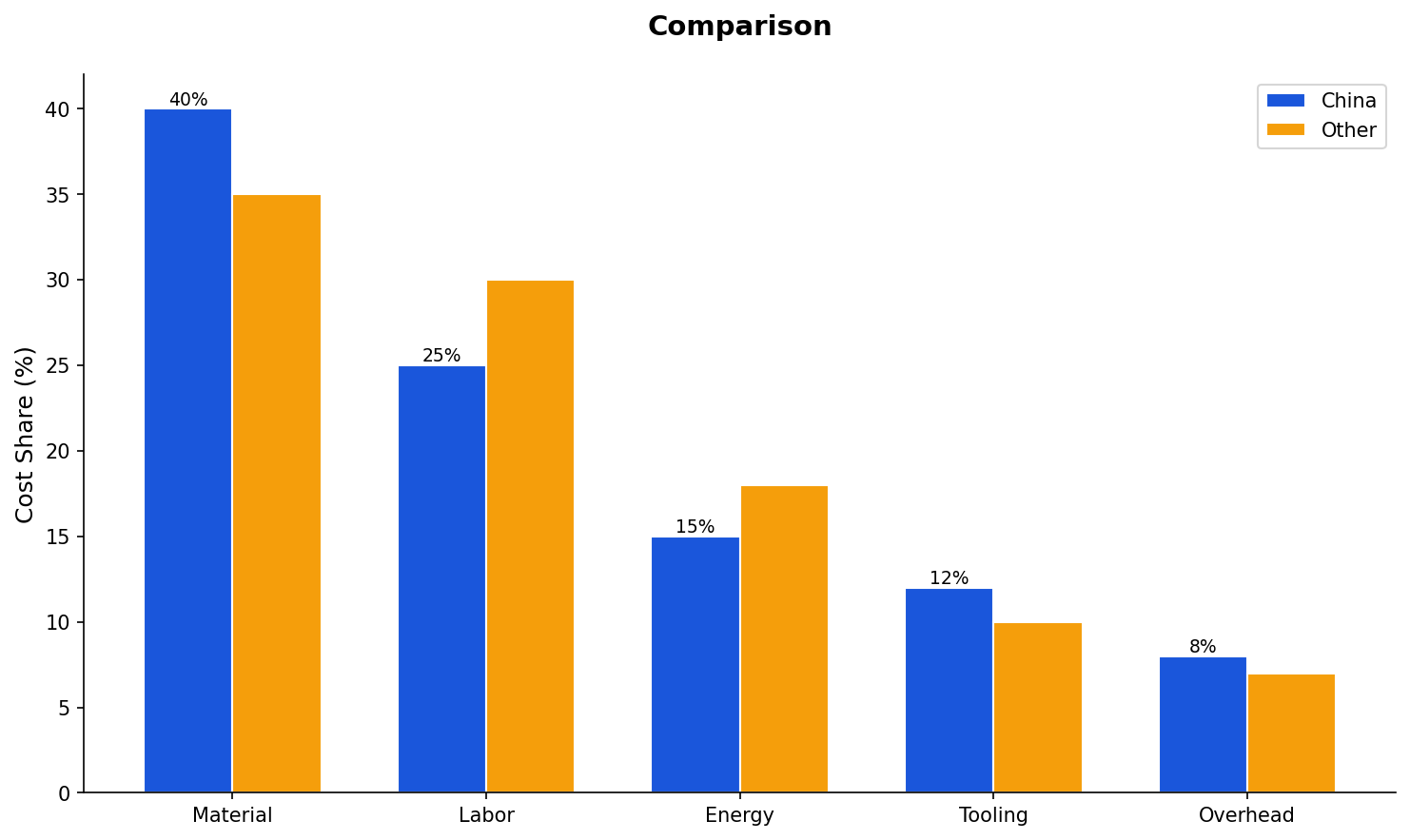
Two quotes that look 18% apart are usually not 18% apart. They're quoting different scopes. Here's the cost structure to break down before you compare anything.
1. Tooling. Who pays, and who owns the pattern or die? This is the single most common source of disputes. If you pay $28,000 for a die, get it in writing that the die is your property, tagged with your part number, and that you can remove it at any time. Otherwise you'll find out three years later that "your" die has been recut for a different customer's geometry.
2. Machining scope. Is the quote for a raw casting, a semi-machined part, or a finished part with the mounting faces, bores, and tapped holes done? A raw ductile iron axle housing at $1.40/kg becomes a $1.40/kg part plus $45 of machining. Quotes that don't separate these are usually padding somewhere.
3. Heat treatment. Normalizing, quenching and tempering, stress relief. Ask which spec. "Heat treated" is not a spec. "Normalized to 180–220 HBW per ASTM A536" is.
4. Scrap allowance. A quote at $1.45/kg with 8% scrap added on top is $1.57/kg. A quote at $1.52/kg with scrap included is cheaper. Ask explicitly.
5. Surface finish. Shot blasting, primer, paint, zinc coating, phosphating. Each is a separate operation with its own cost and its own failure mode. Uncoated castings will rust on a 30-day ocean voyage. That's usually fine—it's surface rust—but if your customer rejects it, you'll be doing the sandblasting on your side.
6. Packaging. Truck castings don't go in a carton. They go on a heat-treated wooden pallet, banded, with edge protection, sometimes in a wire basket. Cheap export packaging is a $4,000 claim waiting to happen when a pallet collapses in a container.
7. Payment terms. 30% deposit / 70% against B/L copy is standard. If a new supplier asks for 100% upfront on the first order, that's a red flag. If they ask for 50/50 with no inspection rights before the final payment, that's a bigger one. You want: deposit → production → pre-shipment inspection → balance against documents.
Get all seven in writing, in the same format, from every supplier. Then compare.
The 12-Point Supplier Audit You Can Run in a Day
You don't need a three-week consultant visit. You need a half day at the plant plus a document review. Here's the checklist we hand to buyers heading to a foundry.
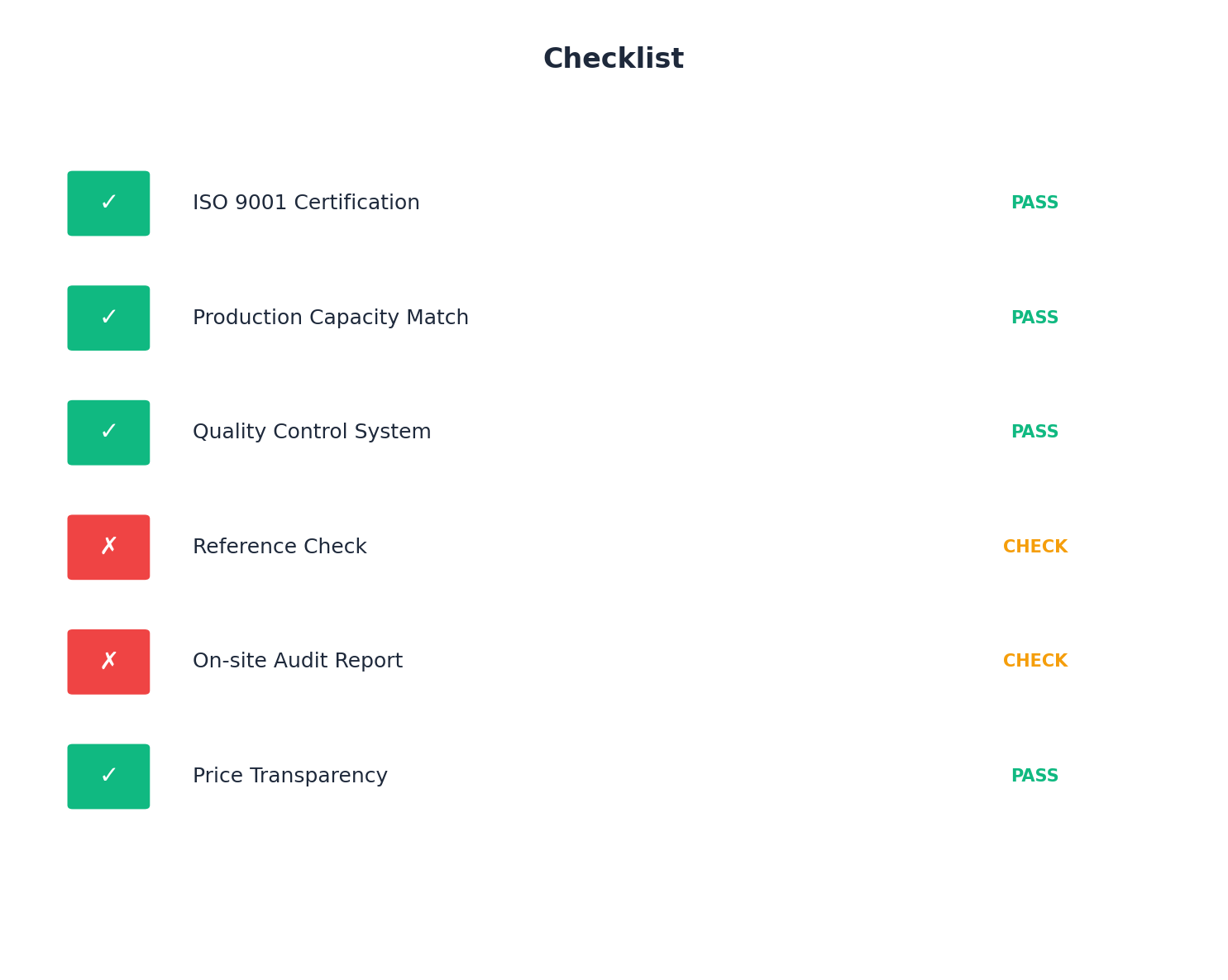
- Walk the melt shop. Count furnaces. Watch a tap. Ask for the log.
- Ask the lab to run a spectro on a scrap piece from a current job, in front of you.
- Look at the sand system. Green sand should be mulled, not dusty. If the sand is dry and crumbly, mold quality is bad.
- Check the mold line maintenance log. Look for the last downtime reason.
- Confirm core-making capability in-house. Outsourced cores add a week to any schedule change.
- Verify heat treat furnace calibration stickers. Out-of-date calibration voids every mechanical property report they've issued since.
- Look for X-ray or ultrasonic equipment. If they don't have it, they're not checking internal soundness.
- Check CMM calibration certificate. Ask for the last three months of dimensional layouts on a part similar to yours.
- Review the NCR log. This is the single most revealing document in the plant. Real factories have NCRs, with root causes and corrective actions.
- Verify IATF 16949 status online, at the issuing body. Not their PDF.
- Look at tooling storage. Patterns and dies on the floor, unlabeled, rusting—your tooling will end up the same way.
- Walk the shipping area. Look at how finished parts are stacked. Look at the pallets.
You will learn more from items 9, 11, and 12 than from everything else combined. A factory that manages its NCRs, its tooling, and its shipping area is a factory that manages its process.
Quality Documents You Must Demand Before Shipment
If the parts are loaded before you see these, you've lost your leverage. Ask for the full package 5 days before the container is booked.
- Heat-specific chemical analysis from the spectro, matching the heat numbers on the parts
- Mechanical test report—tensile, yield, elongation, hardness—from a test bar poured from the same heat
- Microstructure report for ductile iron. You want to see nodularity above 85% and nodule count above 100/mm². This is where bad ductile iron shows itself.
- X-ray or UT report with the acceptance criteria stated. "Passed" means nothing. "No porosity above 2 mm in critical zones per ASTM E505 Level 3" is a spec.
- Dimensional layout on 3–5 pieces, with the CMM report attached, plus a first article report matching the drawing balloon numbers
- Heat treat chart with time, temperature, quench medium, and temper cycle—signed and dated
- Material certificate per EN 10204 3.1 if you're supplying into the EU, or a mill cert if you're supplying into North America
- Pre-shipment inspection report from a third party, if the order is over $30K
Here's the honest part: about half of the foundries quoting you will produce most of these. Fewer than a quarter will produce them consistently, order after order, without you chasing. That consistency is what you're actually paying for.
Tooling Ownership, MOQ, and the Clauses That Matter
Three contract terms decide whether a supplier relationship survives the second year.
Tooling ownership. State it explicitly. The die or pattern is your property, is tagged with your part number, and can be removed on request against your outstanding balance. Also state who pays for maintenance. A die that runs 80,000 shots a year needs refurbishment at intervals—usually around 100,000 shots for aluminum HPDC. If that cost isn't allocated, expect a surprise invoice in year two.
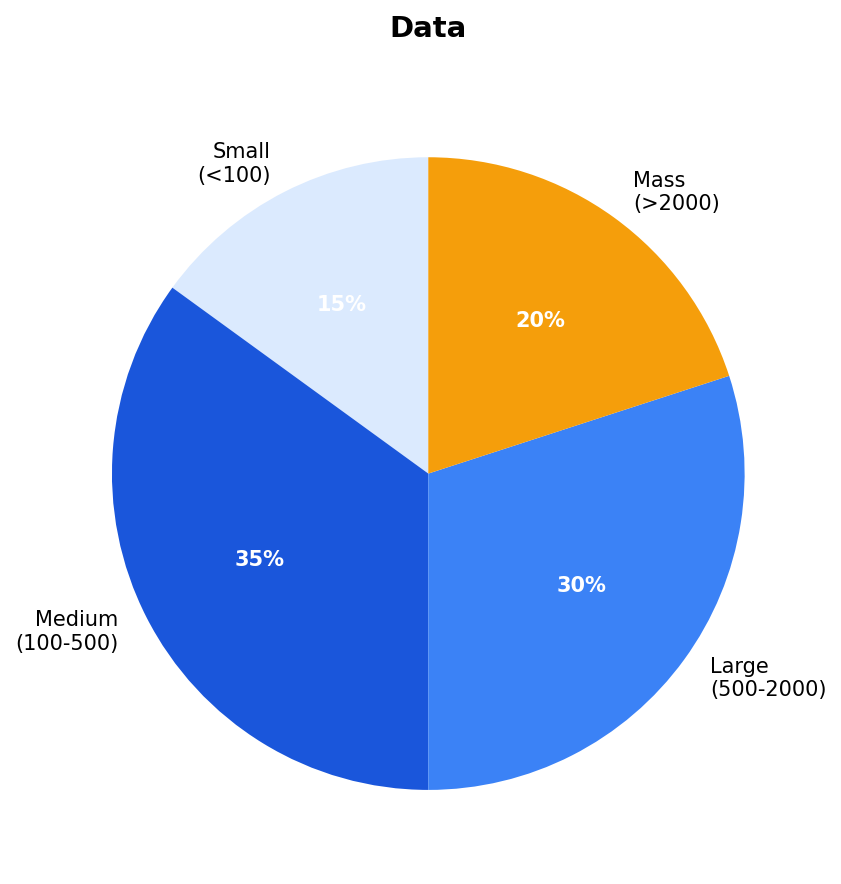
MOQ. Truck castings live and die by MOQ. A sand foundry might refuse anything under 200 pieces per pattern because the pattern change costs them a shift. A die caster might refuse anything under 5,000 for a new die. Ask for the MOQ by part, not by supplier—it varies. And ask what happens on subsequent reorders: many suppliers will accept 100-pc reorders once the tooling is paid off.
The change control clause. Any change to material, process, sub-supplier, or machining source must be notified and approved in writing, with a new PPAP if applicable. Without this clause, you'll find out that the second shipment came from a different furnace, with a different sand, at a different hardness—after it's in your warehouse.
One more: put a cap on price escalation. Metal prices move, and that's fair. But "raw material indexed to the LME aluminum 3-month average, reviewed quarterly" is a term. "Subject to change without notice" is not.
Lead Times, Logistics, and the 2026 Reality
Plan backwards from when you need the parts, because the timelines are longer than most first-time buyers expect.
| Stage | Sand Casting | HPDC Aluminum |
|---|---|---|
| Sample / first article | 45–60 days | 55–75 days |
| Production run | 25–35 days | 20–30 days |
| Pre-shipment inspection | 3–5 days | 3–5 days |
| Ocean freight (China → US West) | 22–30 days | 22–30 days |
| Ocean freight (China → EU) | 28–35 days | 28–35 days |
| Customs clearance | 3–8 days | 3–8 days |
Add it up: a first-time order from a new supplier, port to port, is realistically 14–18 weeks. If you need first delivery in March, you're placing the PO in November of the year before. Buyers who treat castings like a catalog order are the ones paying for air freight in February.
Two 2026-specific notes. First, ocean rates on the transpacific have been volatile since 2024—budget for a rate swing of ±40% and lock in contracts where you can. Second, EU CBAM reporting now applies to iron and steel imports, including castings. Ask your supplier for the embedded emissions data now, not in three months when the report is due.
Common Mistakes to Avoid
- Buying on price alone. The 15% cheaper quote is cheaper because something is missing—usually heat treat, X-ray, or actual IATF certification.
- Skipping the pre-shipment inspection on the first order. It costs $400–$900. It saves five figures.
- Accepting "we'll send certificates later." You won't get them, and if you do, they won't match the parts.
- Not visiting the plant. You can run the whole audit remotely, but if the order is over $100K a year, go. One day on site tells you more than a month of emails.
- Ignoring microstructure on ductile iron. Tensile tests pass on iron with 60% nodularity. It'll still crack in service at 40,000 km.
- Letting the supplier own the tooling outright. Pay for it, own it, tag it.
- Not planning for a second source. Single-source truck castings is a supply chain risk you'll regret in a strike, a flood, or a power cut.
FAQ
How much should a truck gearbox housing cost?
For a 45 kg A380 aluminum HPDC gearbox housing, budget $165–$240 per unit at 2,000 units per year, machining included. Raw casting only, expect $95–$140. Prices move with LME aluminum and with the amount of machining on the part.
How do I verify a truck casting manufacturer in China?
Verify the business license through the National Enterprise Credit Information Publicity System, verify the IATF 16949 certificate directly with the issuing body, and request a live video walkthrough of the melt shop before you send a deposit. If they can't do a live call from the floor, that tells you something.
Sand casting or die casting for truck components?
Sand for anything over 60 kg, anything with a hollow internal structure, and anything in iron or steel. HPDC for aluminum parts under 60 kg, at volumes above 3,000 per year, where tight tolerances (CT5–CT6) matter. There's a crossover zone between 40–70 kg and 2,000–5,000 units per year where you should quote both.
What's a typical MOQ?
Sand castings: 100–300 pieces per pattern for a first order, sometimes as low as 50. HPDC: 3,000–10,000 for a new die, 200–500 for reorders once the tooling exists. If you're under those numbers, expect to pay a per-piece premium or share a tool with another customer—which brings its own risks.
How long does a first order take?
Realistically 12–18 weeks door-to-door for a first-time order from a new supplier, including tooling, first article, production, inspection, ocean freight, and customs. Add 3–4 weeks if you're going into a market that requires a new PPAP submission.
Next Steps
If you're sourcing truck castings right now, do three things this week:
- Pull your current quotes and break them into the seven cost components above. You'll find at least two that aren't comparable.
- Request the full quality document package on your last three shipments. If the supplier can't produce it in 48 hours, that's your answer.
- Book a plant visit or a live video walkthrough with your top two suppliers. Run the 12-point audit.
Send your drawings, material spec, annual volume, and target delivery window into an RFQ. A supplier who comes back with a scope breakdown, a tooling quote with ownership terms, and a realistic lead time is worth ten who come back with a number.
Request a truck casting quote →
Need Help with Truck Casting Manufacturer: 7 Traps Buyers Fall Into (2026)?
Get matched with 3 verified foundries in 24 hours. No markup, transparent pricing.
Request Quotes →