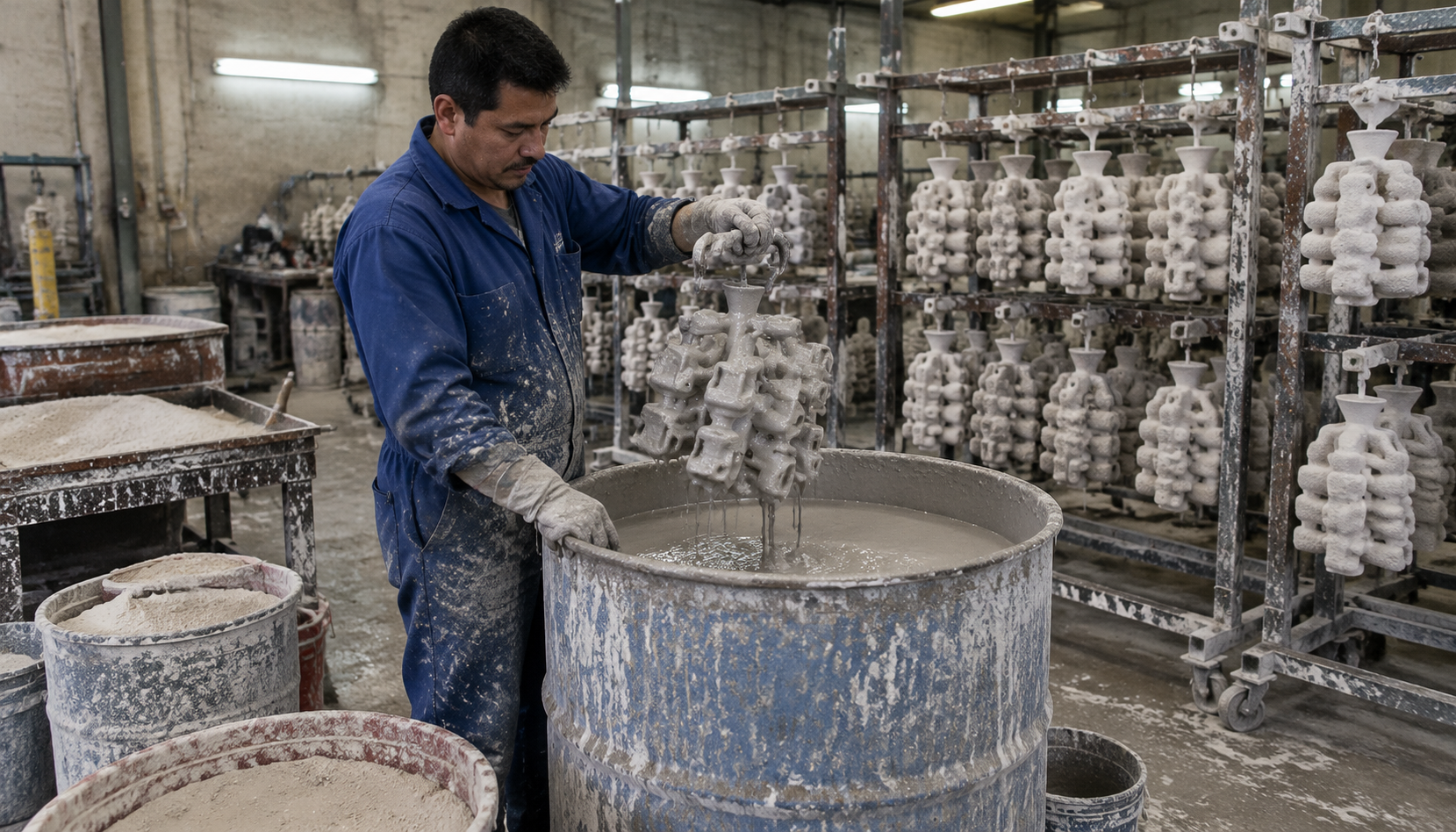
Twenty-two thousand dollars. That's what 400 pump housings cost me the last time I signed off on a supplier without walking their shell room.
It was 2019. A foundry quoting "silica sol investment casting," priced 18% under the shop I'd been using. Samples came back clean. Certificates looked right. Twelve weeks later, X-ray on the first production batch found shrinkage porosity at the elbow transition — 6 mm voids, right where the wall thinned out. Hydro test: seven out of ten failed.
Their answer was "we'll remake it." The remake took eleven weeks. The freight was on us. The customer's install date was eight weeks gone.
Eight years buying castings for an industrial pump OEM — stainless impellers, CF8M housings, duplex valve bodies, the occasional nickel-based trim. The lesson from that batch has never changed: what you buy is what you see and verify at the plant. Everything else — the quote, the brochure, the glossy audit deck — is a story about what you might be buying.
So here's the walk-through I wish someone had handed me in 2019. If you're sourcing silica sol lost wax casting for pumps, valves, food equipment or marine hardware, this is the version that saves you the remade batch.
Silica sol, water glass, sand casting — the difference nobody puts on the quote
Three suppliers, three quotes, all saying "precision casting." If you don't ask what the binder is, you're comparing three different products with one number.
Investment casting — lost wax — works the same way across all of them: inject wax, assemble a tree, build a ceramic shell around it, melt the wax out, fire the shell, pour metal, knock the shell off. The variable is what holds the ceramic together.
Silica sol is colloidal silica in water. It sets by drying, not by chemical reaction. The face coat goes on with zircon sand or zircon flour, then five to seven back-up layers of mullite or chamotte. Each layer dries in a room held around 22–24°C and 40–60% relative humidity. Then the shell is fired at 900–1,100°C.
Water glass (sodium silicate) sets fast — CO2 gassing or a chemical hardener. It's cheaper, faster, and rougher. The shell has more surface defects, and silicate inclusions are a nightmare to clean out of a pump cavity. If you want the full cost and finish comparison part by part, silica sol vs. sodium silicate runs the numbers side by side.
What that means at the drawing level:
| Property | Silica sol | Water glass | Sand casting |
|---|---|---|---|
| Surface roughness (Ra) | 3.2–6.3 µm typical, 1.6 achievable | 12.5–25 µm | 12.5–25 µm+ |
| Dimensional tolerance | ISO 8062 CT4–CT6 | ISO 8062 CT7–CT9 | CT8–CT10 |
| Minimum wall | 1.5–2.5 mm | 4–5 mm | 5–6 mm |
| Piece price vs. water glass | +20–35% | baseline | −30–50% on simple parts |
| Best fit | Pump/valve bodies, food-grade parts, marine hardware | Non-critical brackets, weights | Large, simple, low-tolerance |
Those are ISO 8062-3 dimensional grades; the mechanical requirements sit in the alloy spec — ASTM A351 for CF8M, EN 1.4408 for the European equivalent. Surface finish is a separate drawing callout; the ISO grade doesn't control Ra.
Here's the trap. Quotes don't say "water glass." They say precision casting, investment casting, or just lost wax casting. All three phrases are technically true for a water glass shop. That's not fraud — it's vocabulary. But if you're specifying a 3 mm wall and a CT5 tolerance, you're buying silica sol whether or not the PO says so, and you need to say so.
Ask one question on the RFQ: "What binder do you use for the face coat and the back-up layers?" If the answer comes back vague, you already have your answer.
Where the money actually goes in a silica sol casting
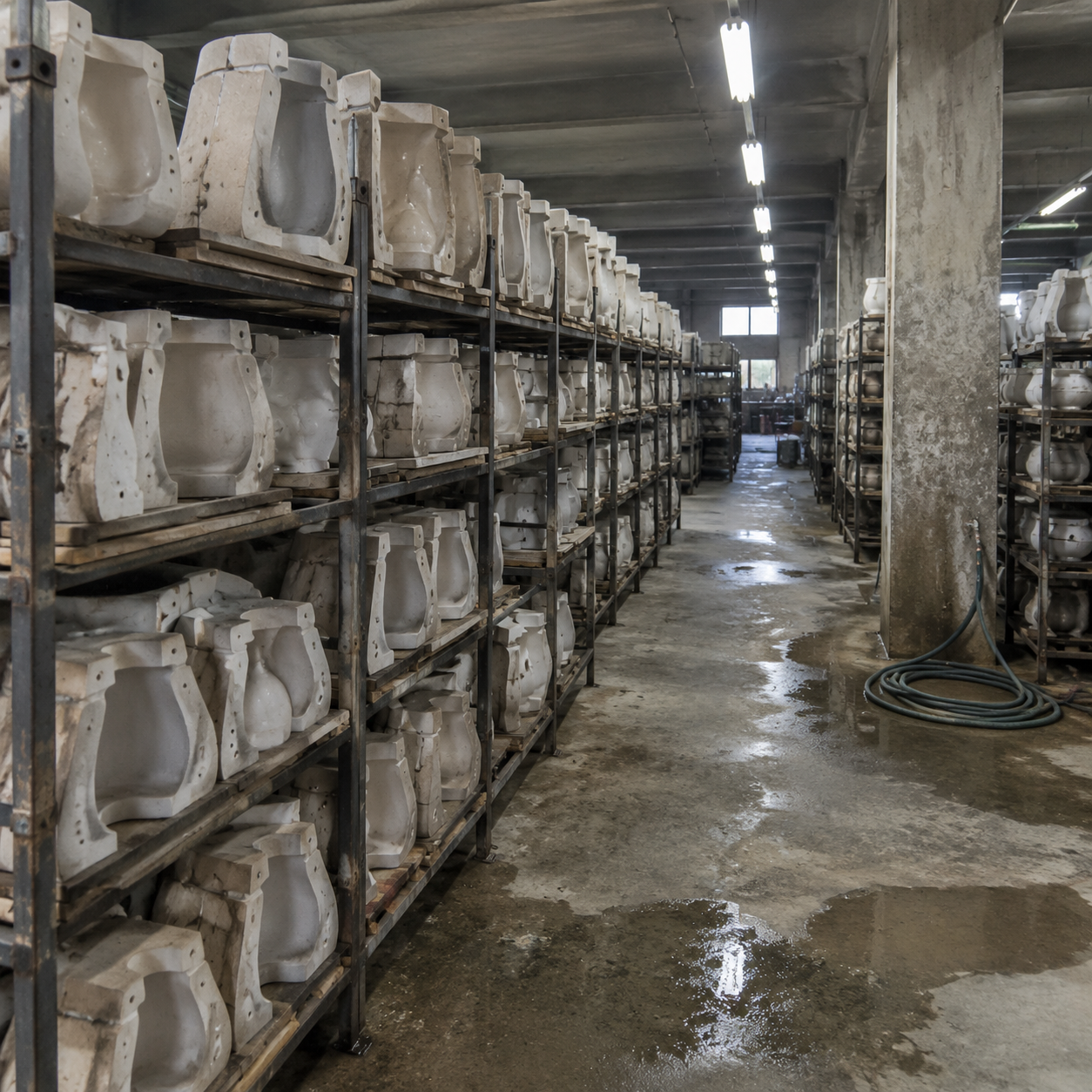
Buyers get fixated on the per-kilo price. That number hides everything that matters. Break a silica sol quote into five buckets and the "cheap" supplier stops looking cheap.
1. Face coat material. Zircon sand runs roughly $1,500–2,500 per tonne depending on grade and freight. On a part with high surface-area-to-weight — a thin-wall valve body is the classic case — the face coat alone can be 8–15% of piece cost. A shop offering 25% below everyone else isn't beating the zircon market. They're doing something else.
2. Shell build. Five to seven layers, each one dried, each one handled. Cutting to four layers saves labour and dries faster. It also raises your risk of shell cracking and run-out during pour — and you'll only find that out on the parts that leak. Watch for the hybrid shell while you're at it: silica sol face coat, water glass back-up. The face coat gives you the finish and detail; the water glass gives you cheap, fast-drying back-up. On a bracket it's fine. On a pressure-retaining pump housing the water glass can fail at temperature or leave silicate trapped in a re-entrant corner, and you spend a week grinding it out. Ask which layers are which.
3. Drying room energy. Air conditioning and humidity control running 24/7 for days per shell. This is a real line item that shops running fan-and-heater setups simply don't have. Ask for the last 90 days of temperature and humidity logs. If the room has no logger, the "silica sol" claim is decoration.
4. Burn-out. Firing at 900–1,100°C for hours. Gas cost, furnace maintenance, kiln furniture.
5. Scrap rate. This is the one that should decide your supplier choice, and almost nobody puts it in the comparison. A shop running 92% first-pass yield and a shop running 78% can quote the same unit price. One of them is billing you for the other's scrap, and it's rarely the one you expect.
Robert Davis, who runs a hardware wholesale operation out of Georgia and spends about $1.5M a year on castings, put the pricing problem to me bluntly: "I never sign without a cost breakdown. Whatever part of it they won't split out is usually the part they're hiding." He's right, and the box they refuse to open is almost always scrap or material.
Practically: ask for the quote broken down into tooling, material, casting, machining, inspection and packing. If a supplier won't do it, you're not buying a price, you're buying a number.
Tolerances and surface finish: how to write a spec that actually holds
"To ISO 8062" on a drawing is not a tolerance. It's a wish.
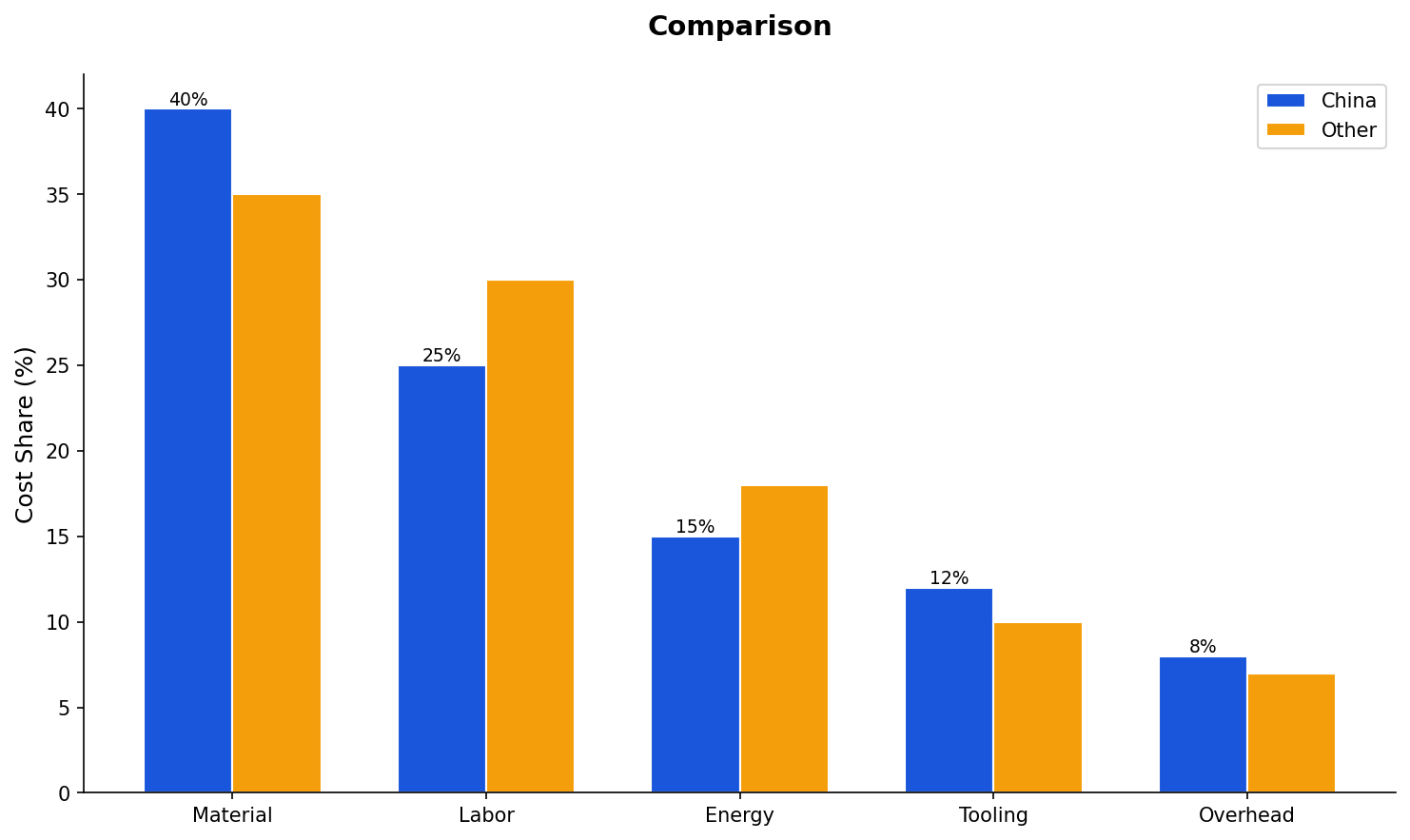
ISO 8062-3 gives you cast tolerance grades CT1 through CT16, and you have to name the one you want. Silica sol shops typically work in CT4–CT6 for the general envelope, tighter for small critical features, looser on large dimensions. If you don't specify, you get whatever the patternmaker feels like, and it's usually a grade or two coarser than your assembly can survive. For the grade-by-grade breakdown of what each CT number means at the bench, this ISO 8062 guide covers it.
The specs I use on a 6-inch pump housing now:
- General tolerance: ISO 8062-3, CT5, with datum references marked on the drawing.
- Critical features: dimensioned individually — bolt circle, bearing bore register, face-to-face length.
- Machining allowance: 3 mm on flange faces and bearing seats, 2 mm on bolt bosses, zero on non-critical surfaces.
- Surface roughness: Ra 6.3 µm general, Ra 3.2 µm on sealing faces before machining.
- Straightness / concentricity: called out separately — a general CT grade does not control form.
The first version of that drawing said "general tolerance ISO 8062." The supplier interpreted it as CT7 and shipped it. Nothing on the parts was out of spec, technically. Two hundred housings went to the machining cell and the flange faces had to be welded up and re-cut. Nobody was at fault, which is exactly why it cost so much.
One more thing buyers miss: silica sol does not mean "no machining." It means less machining. You still need to cut sealing faces, bores and threaded features. The money you save is on roughing passes and on how close the as-cast surface already is. If a supplier tells you their silica sol parts come out "net shape," ask them to show you a first article inspection report on a part like yours.
Materials and certificates: the part where people get creative
This is where the difference between a good shop and a lucky one shows up, and it's the reason I now refuse to sign a PO without a material clause.
What you should require, in writing:
- EN 10204 type 3.1 as the floor, not the ceiling. That's a certificate issued by the manufacturer's own qualified inspection, tied to a specific heat number.
- Heat number stamped or engraved on the part, or on the tag if the part can't be marked. If the certificate says heat A-2291 and the part says nothing, you have paperwork, not traceability.
- Chemical composition to the exact grade — CF8M to ASTM A351 is not the same as "316 equivalent." Ask for the actual spectro printout with carbon, chromium, nickel, molybdenum, and for duplex, the ferrite content.
- Mechanical properties from a heat-treated test bar, not a separately cast keel block, unless your spec allows it.
- PED 2014/68/EU where the part is going into pressure equipment in Europe. This isn't optional and it isn't a marketing badge — the foundry needs the material approval and the traceability chain to back it.
Robert's version of this rule is more colorful: "No 3.1, no PED mark, I don't even unload the container. If the certificate doesn't match the heat number on the box, that shipment doesn't get paid." He's lost a supplier or two over it. He's also never eaten a returned batch.
The other thing worth asking: what's the max revert percentage in the melt? Shops running high return-scrap ratios save money on virgin alloy and hand you a chemistry that sits at the bottom of the grade window. For stainless, I want a written cap — typically 20–30% of the charge — and I want the furnace log to show it.
Walking the plant: five things to actually look at
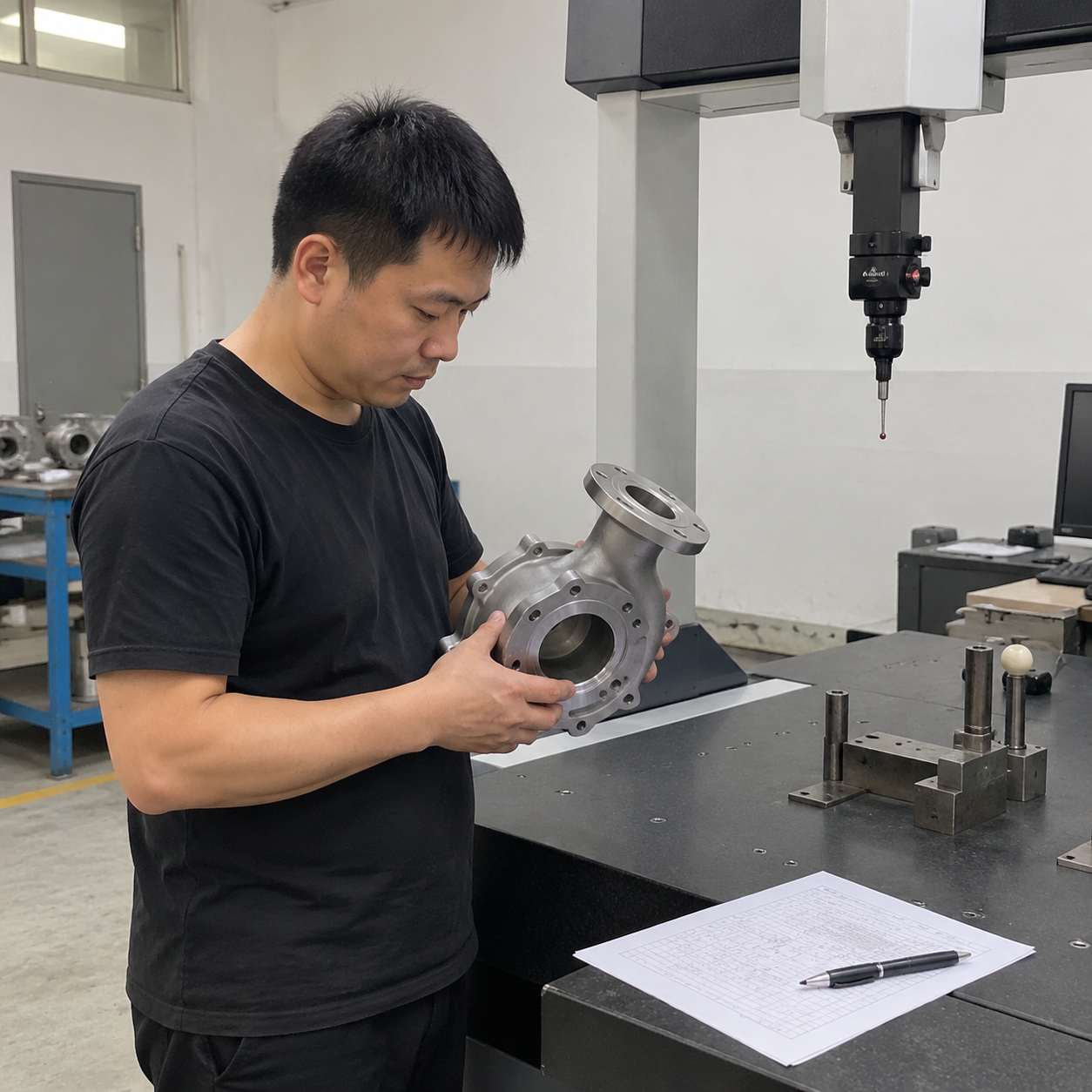
Audits on paper are theatre. Forty minutes on the floor, with your own eyes, beats a three-day document review. These five are the floor version of the foundry audit checklist; here's what I look at, in order.
1. The shell room's data logger. Not a wall chart filled in by hand. An actual recorded log of temperature and humidity for the last 90 days. If the relative humidity swung to 75% in August and nobody noticed, you can bet the shells did.
2. The face-coat sand. Ask to see the incoming inspection record and the bags in the store. Zircon is expensive; a shop substituting a cheaper refractory may still call the process silica sol — because the binder is. The binder isn't the whole shell.
3. The number of layers on a drying rack. Count them. If you asked for five and they're running three plus a seal coat, that's your answer on shell strength.
4. The spectro and the test bar records. Is the spectrometer in-house or is the chemistry subcontracted? In-house with calibration records from the last twelve months is what you want. Ask to see one full traceability chain end to end — from the raw material certificate through to a finished part number.
5. The scrap bin and the rework area. This is the honest room in any foundry. Ask what the first-pass yield was last month, by product family. A shop that knows the number is a shop that measures. A shop that shrugs is a shop that hopes.
One cautionary note that's worth the paragraph: watch for the second plant. Some traders and some larger groups will walk you through their flagship facility and run your order at a partner shop two hours away. Ask which address your tooling will physically sit at, and ask for that address on the PO. Then visit that one.
The seven questions to put in your RFQ
Copy these into the inquiry. The answers tell you more than any capability brochure.
- What binder and what face-coat refractory do you use, and what mesh size?
- How many shell layers, and what's the back-up material?
- What are your drying room temperature and humidity ranges, and can you send the last 90 days of logs?
- How many furnaces, what's the charge weight per heat, and what's your maximum revert percentage?
- Is NDT in-house or subcontracted, and to which standard — ASTM E94, E165, E446?
- Can you supply EN 10204 3.1 with the heat number stamped on the part, and is the foundry PED-approved for this material group?
- What's included in the first article inspection report — dimensions, CMM data, chemistry, mechanicals, NDT results?
Send it to three suppliers and compare the answers before you compare the numbers. The price spread will look different once you know who's running seven shell layers with logged humidity and who's running four with a chart on the wall.
Common mistakes to avoid
Comparing unit price without yield. Two shops, same part, 8% price gap. One runs 90% first-pass yield, the other 75%. Over a year the "cheaper" one costs you more in rework, expedited machining and air freight.
Specifying "lost wax casting" and assuming silica sol. It's not the same thing. Write the binder into the drawing note if it matters to your application — and for a pressure-retaining part, it does.
Skipping the first article inspection. Sample castings from a hand-picked run always look good. FAI on the first production heat, with full dimensional and NDT data, is the only thing that tells you what the process actually does at scale.
Not specifying machining allowance per face. Cast too close and you can't clean up the surface. Cast too much and you've paid for metal you're going to turn into chips. Both are expensive; only one is recoverable.
Ignoring packaging. A container crossing the Pacific with loose-packed castings gives you a batch of chipped flanges and bent studs, and the claim conversation is never worth the time. Ask for the pack drawing and the loading photos before shipment, not after.
FAQ
Is silica sol lost wax casting the same as investment casting?
Investment casting is the umbrella term — lost wax, ceramic shell, pour, break out. Silica sol describes the binder used to build the shell. Water glass is the other common binder, and it's the one to watch for if you've been quoted something suspiciously cheap on a thin-wall part.
What minimum wall thickness can silica sol casting hold?
A well-run foundry can hit 1.5–2.5 mm on small stainless parts. For pump and valve bodies, design at 3 mm as your baseline. Below 2.5 mm, cost climbs sharply and shell cracking risk goes up with it.
Why is silica sol more expensive than water glass?
Zircon face coat, controlled drying rooms, longer shell build cycles, more burn-out energy. Expect 20–35% on piece price for the same geometry — and usually a corresponding drop in finishing labour, which is where a chunk of that premium comes back.
What certificate should I require?
EN 10204 type 3.1 at minimum, with the heat number traceable from certificate to part. For EU pressure equipment, the foundry needs PED 2014/68/EU material approval as well — ask for the certificate scope, not the marketing logo.
How do I confirm a supplier is actually running silica sol?
Walk the shell room. Look at the face-coat sand delivery notes, count the layers on a drying rack, and ask for the drying room's logged temperature and humidity. Three minutes of that beats three hours of presentations.
What to do next
Before your next PO goes out, do three things. Put the binder into the drawing note. Add the seven RFQ questions. And book forty minutes on the floor of whichever shop wins on answers, not price.
If you're still at the comparison stage, take the foundry audit checklist with you — it covers the same five plant checks plus the document set to request in advance. If you're arguing internally about tolerance grades, this breakdown of ISO 8062 in practice is the one I send to our own engineering team. And if you're weighing binder choice against part geometry, silica sol vs. sodium silicate runs the cost and finish maths part by part.
The short version, though, is the one I paid $22,000 to learn: in lost wax casting, the quote describes an intention. The shell room describes what you'll get. Only one of those is worth your signature.
Get the silica sol supplier scorecard
Seven RFQ questions, five plant checks, one page. Print it, take it to the audit, and score each supplier before you open the quotes.