Precision Casting China: The 7-Step Verification Guide Before You Sign
You're holding a quote for precision castings from a Chinese supplier. The price is 32% lower than your current source — looks like a win. But you've heard the stories: shipments that show up with the wrong material grade, tolerances that drift after the first 500 pieces, and certifications that turn out to be photocopies.
I've been on both sides of this table — first as a buyer for a Tier-1 automotive supplier sourcing $8M+ in castings annually, and later as a quality consultant for Chinese foundries. Here's the hard truth: most problems aren't caused by bad factories. They're caused by bad verification.
This guide walks you through the 7 things you must verify before you sign that PO. Use it as a checklist. Skip a step at your own risk.
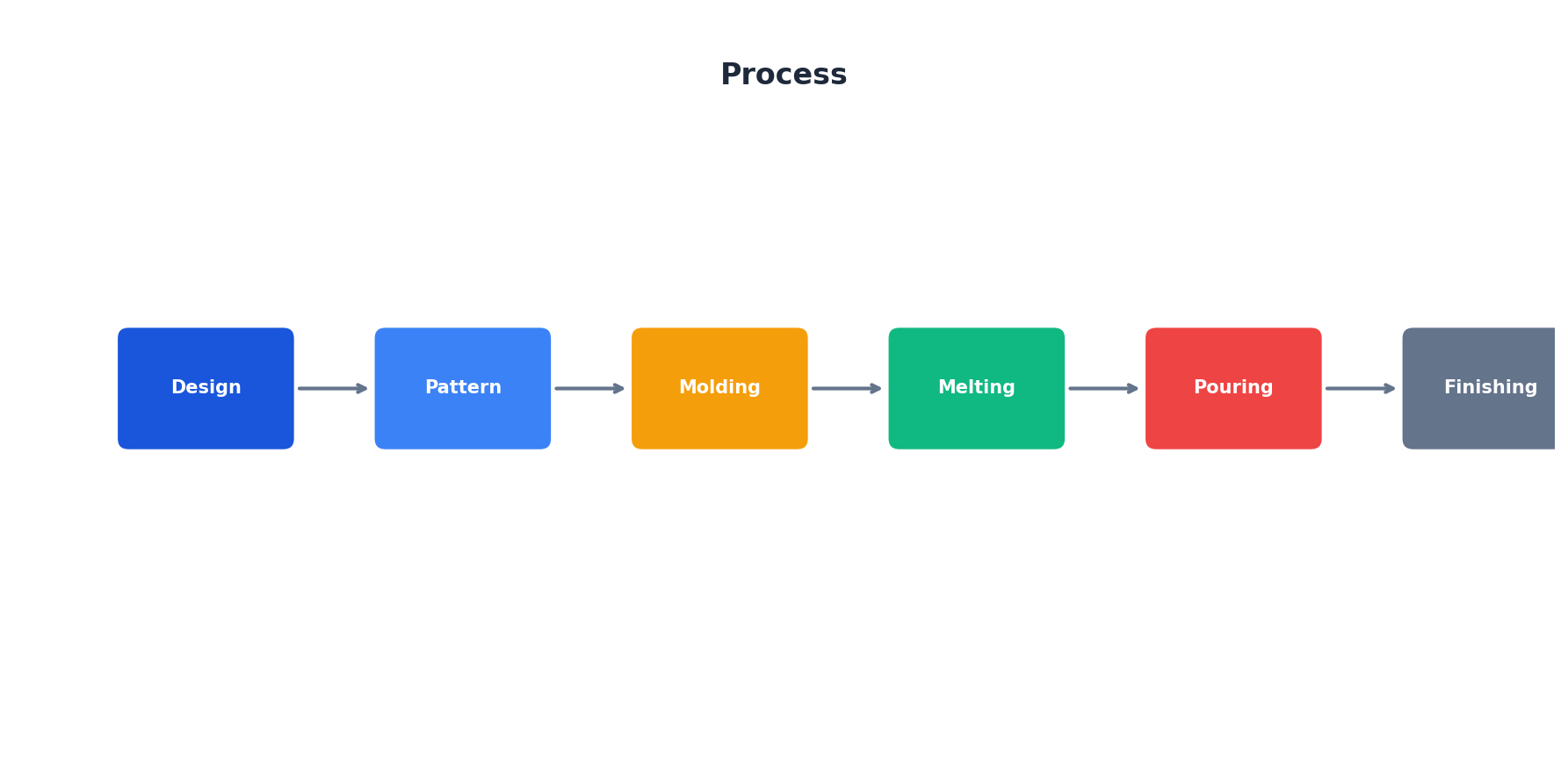
1 Verify the Casting Process & Material Specification
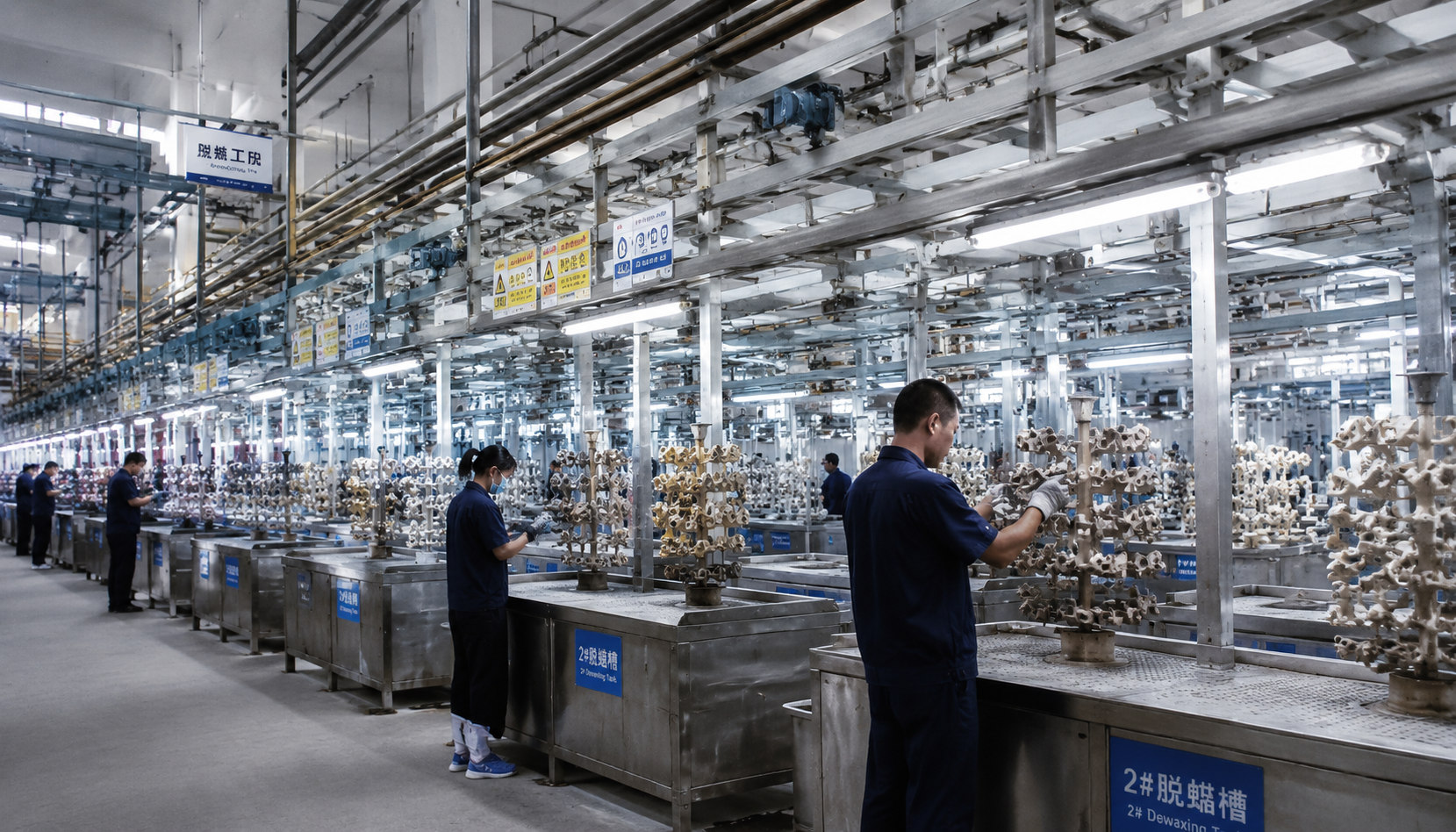
Not all precision casting is the same — and if your supplier uses the wrong process for your part, you'll fight dimensional issues from day one.
China's precision casting industry broadly splits into three routes:
| Process | Tolerance (CT Grade) | Surface Finish (Ra) | Typical Wall Thickness | Best For |
|---|---|---|---|---|
| Investment Casting (lost wax) | CT6 – CT9 | 1.6 – 3.2 µm | 1.5 – 6 mm | Complex geometries, thin walls, tight tolerances |
| Die Casting (high pressure) | CT5 – CT8 | 0.8 – 1.6 µm | 1 – 4 mm | High volume, non-ferrous, simple shapes |
| Sand Casting (precision resin sand) | CT9 – CT12 | 3.2 – 6.3 µm | 4 – 25 mm | Large parts, low volume, ferrous alloys |
What to ask your supplier: "Which process are you using for this part, and what CT grade do you guarantee?" If they can't answer within 30 seconds — red flag.
On materials: make sure the supplier quotes the exact Chinese GB standard that maps to your ASTM or EN specification. For example, ASTM A351 CF8M (316 stainless) maps to ZG0Cr18Ni12Mo2Ti in GB/T 2100. Don't accept "similar" — insist on the exact equivalent.
2 Confirm Quality Certifications & In-House Testing
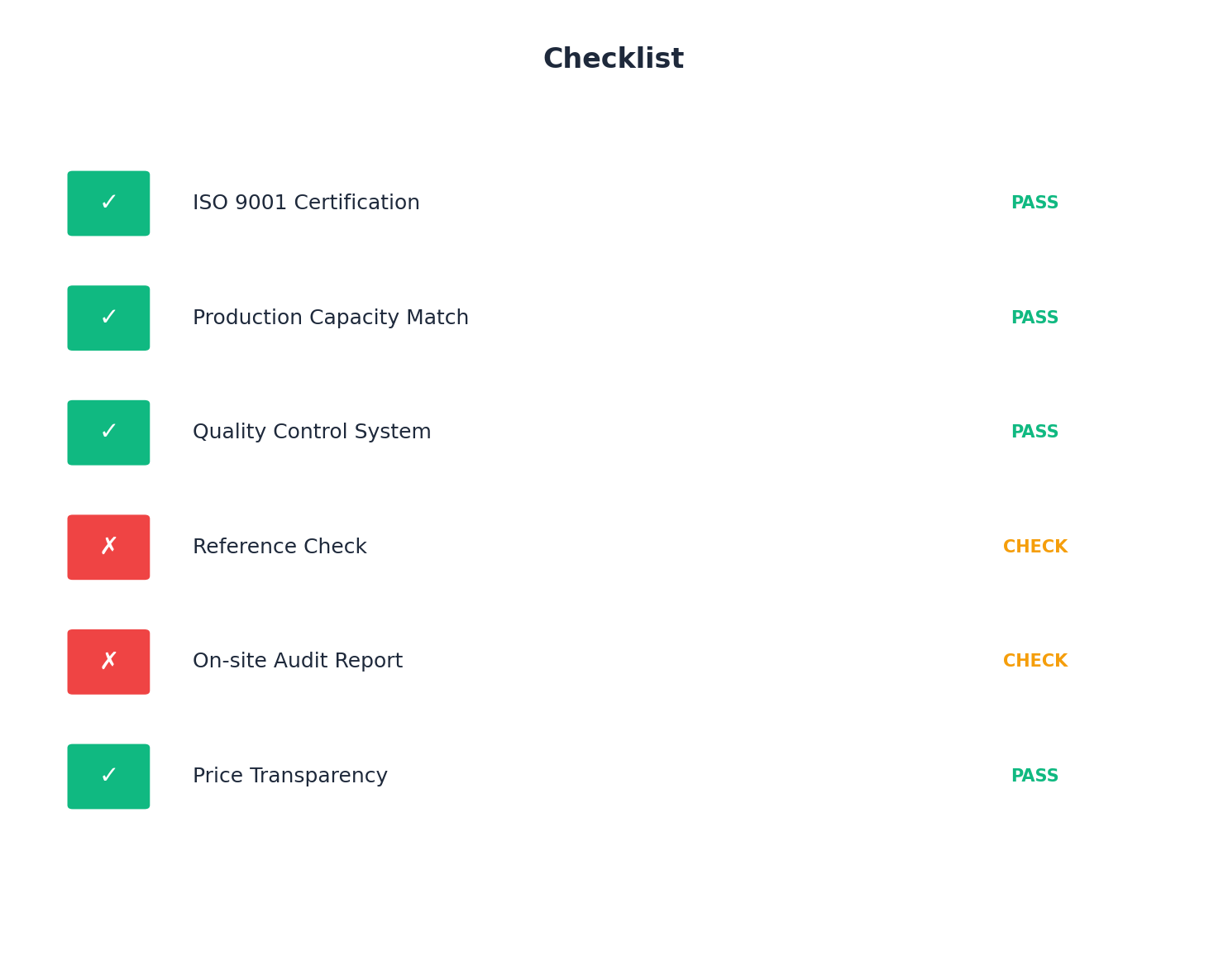
A certification on paper means nothing if the factory doesn't have the equipment to back it up. You need to verify both the cert and the capability.
Minimum requirements for a precision casting supplier:
- ISO 9001:2015 — non-negotiable. But also check the scope: does it specifically cover "investment casting" or "precision casting"?
- IATF 16949 — required if you're sourcing automotive parts. Only about 15-20% of Chinese precision casting foundries have this (source: CAFE 2025 industry report).
- Chemical Composition Verification — does the factory have a Spectrometer (OES) on-site? Ask for recent PMI test reports.
- Mechanical Testing — tensile strength, yield strength, elongation. The lab should have a universal testing machine (UTM) and provide test certificates per ASTM E8 or EN 10002.
- NDT Capability — X-ray, ultrasonic, or dye penetrant. For critical parts (pressure vessels, medical devices, aerospace), X-ray is mandatory.
Real story: A buyer I worked with sourced valve bodies from a foundry that claimed ISO 9001. When we audited, their "spectrometer" was a broken unit from 2008 — they hadn't verified chemistry in 3 years. 2,000 pieces were scrapped. The cert was real; the capability wasn't.
3 Assess Tooling & Mold Quality
In precision casting, the mold (or die) determines 70% of the final part quality. If the tooling is cheap, every casting will carry that compromise.
Here's what to verify about the tooling:
- Mold material: H13 or 2344 tool steel for die casting; for investment casting, the wax injection mold should be made of aluminum or pre-hardened steel (P20 or equivalent).
- Mold maintenance records: Ask for the maintenance log. A well-maintained mold lasts 100,000+ shots; a neglected one starts producing rejects after 5,000.
- Mold trial report: Every new mold should have a trial run with dimensional inspection report (CMM report if available).
- Who owns the tooling? Clarify this upfront. If you pay for the mold, you should own it — and have the right to transfer it to another foundry if needed.
In my experience, Chinese foundries that invest in high-quality tooling (CNC-machined, with conformal cooling channels) produce parts with 30-50% fewer dimensional rejects compared to those using basic tooling. The upfront cost is higher, but the total cost of ownership is lower.
4 Verify Production Capacity & Lead Time Realism
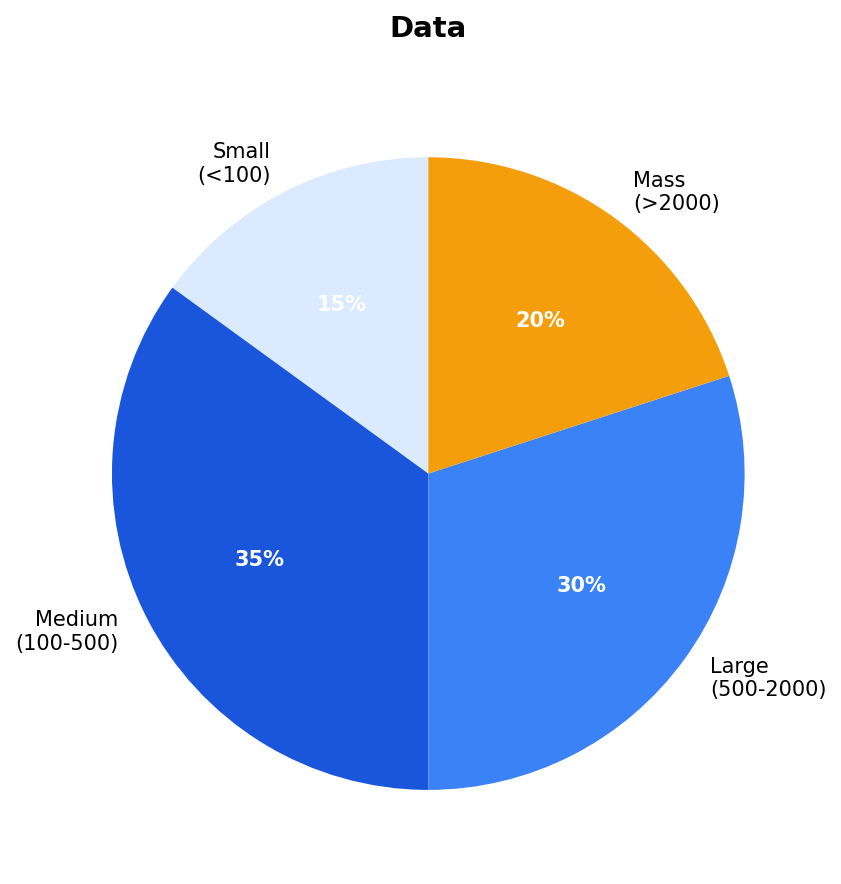
Every Chinese foundry will tell you they can deliver 50,000 pieces per month. But can they actually do it while maintaining quality?
You need to dig into three things:
| Factor | What to Ask | Green Flag | Red Flag |
|---|---|---|---|
| Monthly output | "How many tons of precision castings did you ship last quarter?" | Consistent month-over-month, with 15-20% headroom | Numbers fluctuate wildly, or they claim 100% utilization |
| Current order load | "How many active customers are you running for right now?" | 3-5 major customers, balanced mix | 1-2 customers dominating 80%+ of capacity |
| Lead time buffer | "What's your typical lead time, and when was the last time you missed it?" | Transparent about past delays, with root cause analysis | "We never miss a deadline" — everyone misses deadlines |
A reliable precision casting supplier in China operates at 75-85% capacity, leaving room for urgent orders and unexpected rework. Anyone running at 95%+ is one problem away from a delayed shipment.
5 Check Surface Finishing & Post-Processing Capabilities
Most precision castings require secondary operations: heat treatment, machining, surface coating, or assembly. If your supplier can't handle these in-house, you're adding lead time, cost, and quality risk.
What to verify:
- Heat treatment: Does the factory have furnaces for solution annealing, aging, or normalizing? Can they provide time-temperature charts?
- CNC machining: Do they have 3-axis or 5-axis machining centers? Many precision casting foundries in China now offer finish machining, saving you from sourcing machining separately.
- Surface treatment: Passivation, electropolishing, powder coating, anodizing — which ones can they do in-house? Which ones are subcontracted?
- Assembly & testing: For complex parts, can they do sub-assembly and pressure testing before shipment?
If your supplier subcontracts post-processing, request to audit the subcontractor as well — or insist that the main foundry takes full responsibility for the final part quality.
6 Demand First Article & Pilot Run
Never go straight to mass production without a first article inspection (FAI) and pilot run. This isn't just a good practice — it's your only real protection against costly surprises.
First Article Inspection (FAI):
- Full dimensional report (CMM or manual) for all critical dimensions
- Chemical composition analysis (OES report)
- Mechanical properties test (tensile, hardness)
- NDT results (if applicable)
- Surface finish measurement
Pilot Run (50-200 pieces):
- Run at production speed, with production tooling and production personnel
- Inspect 100% of pilot pieces for critical dimensions
- Track first-pass yield (FPY) — a good precision casting foundry should have FPY > 92%
- Document all defects and corrective actions
⚡ Pro tip: Insist on a process capability study (CPK) for critical dimensions during the pilot run. A CPK value ≥ 1.33 indicates the process is capable. Many Chinese foundries can provide this if you ask — and the ones that can are usually the ones you want to work with.
7 Review Contract Terms & Quality Guarantees
The final step is the most overlooked: your contract. A handshake and a PI (proforma invoice) aren't enough for precision casting orders worth $50k+.
Contract must include:
- Specification baseline: Attach the approved drawing, FAI report, and agreed tolerance limits to the contract.
- Acceptance criteria: Clearly define which dimensional and cosmetic criteria constitute "accept" vs. "reject." Use AQL sampling per ISO 2859 (typically AQL 1.0 for precision castings).
- Rework and scrap policy: Who pays for rework? What's the maximum scrap rate before the supplier covers the cost? Standard is < 3% scrap, with 50/50 cost share for rework due to design issues.
- Warranty & liability: Insist on a 12-month warranty from delivery, covering material defects and process non-conformances.
- Third-party inspection: Give yourself the right to have a third-party inspection (SGS, Bureau Veritas, TÜV) at the supplier's cost if quality issues arise.
One more thing: payment terms. Avoid 100% T/T in advance. Standard terms for precision casting orders are 30% deposit, 70% against shipping documents (or after final inspection). If a supplier demands full payment upfront, walk away.
3 Common Mistakes Buyers Make (And How to Avoid Them)
I've seen the same mistakes repeat across hundreds of sourcing projects. Here are the top three, and exactly how to avoid them.
Mistake #1: Trusting the cheapest quote
A quote 35% below the next bid isn't a bargain — it's a risk. In precision casting, the cost breakdown is relatively fixed: raw materials (25-35%), labor (20-25%), energy (10-15%), overhead (15-20%), and margin (5-10%). If someone's 35% cheaper, something has to give — usually material grade, inspection rigor, or surface finish quality.
Mistake #2: Not visiting the factory
I know travel is expensive. But a $2,000 factory visit can save you from a $50,000 quality disaster. If you can't go yourself, hire a third-party inspector for a pre-production audit. It's the best money you'll spend.
Mistake #3: Skipping the pilot run
I've seen buyers go straight to 5,000-piece production after seeing 5 good samples. Samples are made by the best operator on the best machine. The pilot run tells you what happens when production runs at normal speed. Don't skip it — ever.
FAQs About Precision Casting in China
Is precision casting from China good quality?
Yes — if you choose the right supplier and verify properly. China produces precision castings for leading automotive, aerospace, and medical device companies worldwide. The key is to follow a structured verification process (like the 7 steps above) rather than relying on reputation or price alone.
What is the typical lead time for precision casting from China?
For investment casting: 6-10 weeks for the first article, then 4-6 weeks for repeat orders. For die casting: 4-8 weeks for the first article, then 2-4 weeks for repeats. Lead times vary based on complexity, quantity, and current factory load.
How do I verify a Chinese casting foundry's certification?
Ask for the certificate number and verify it directly on the certifying body's website (e.g., BSI, SGS, TÜV, or the Chinese accreditation body CNAS). Don't accept a scanned copy as proof — some factories have been known to use expired or even fake certificates.
What are the main precision casting hubs in China?
The three major hubs are: Hebei (Cangzhou area) — known for a high concentration of investment casting foundries; Zhejiang (Ningbo, Wenzhou) — strong in die casting and precision machining; and Guangdong (Foshan, Dongguan) — excellent for high-volume precision casting with good quality control systems.
Do I need to speak Chinese to source precision castings from China?
Not necessarily, but communication is smoother if you work with an intermediary or sourcing agent who is bilingual. Many mid-to-large foundries have English-speaking sales staff, but technical discussions (material specs, tolerance analysis, NDT requirements) often benefit from a translator who understands casting terminology.
Ready to Source Precision Castings From China?
We've helped 200+ engineering and procurement teams find and qualify precision casting suppliers in China. Our platform connects you with vetted foundries and provides independent quality oversight — so you can focus on design and delivery.
Get Your Free Sourcing AssessmentNo obligation. Includes supplier shortlist + pricing benchmark.
Related guides: Investment Casting China: Complete Buyer's Guide • Casting Quality Control: 7 Inspection Methods • China Foundry Audit Checklist (Free Template)
Ready to Source Castings from China?
We help engineers and buyers source precision castings from verified Chinese foundries. No middleman markup — we charge a fixed service fee. 200+ audited factories, 40+ quality engineers, full PPAP documentation support.
Submit Your Inquiry →