Continuous Casting Process: The 5-Step Guide Buyers Actually Need (2026)
You're sourcing steel billets, aluminum slabs, or copper rods. And you've heard the term "continuous casting" thrown around like it's some kind of magic.
It's not magic. It's a 5-step industrial process that produces 96% of the world's steel and the majority of non-ferrous metals. But here's what those sales brochures won't tell you: not all continuous casting lines are created equal.
This guide gives you the real process—step by step—plus the defect data you need to avoid getting burned, and a 7-point supplier checklist you can use tomorrow morning. Period.
The 5-Step Continuous Casting Process (No Fluff)
Whether it's steel, aluminum, or copper, the physics is the same. Here's what actually happens inside those mills.
Step 1: Ladle to Tundish — The Gatekeeper
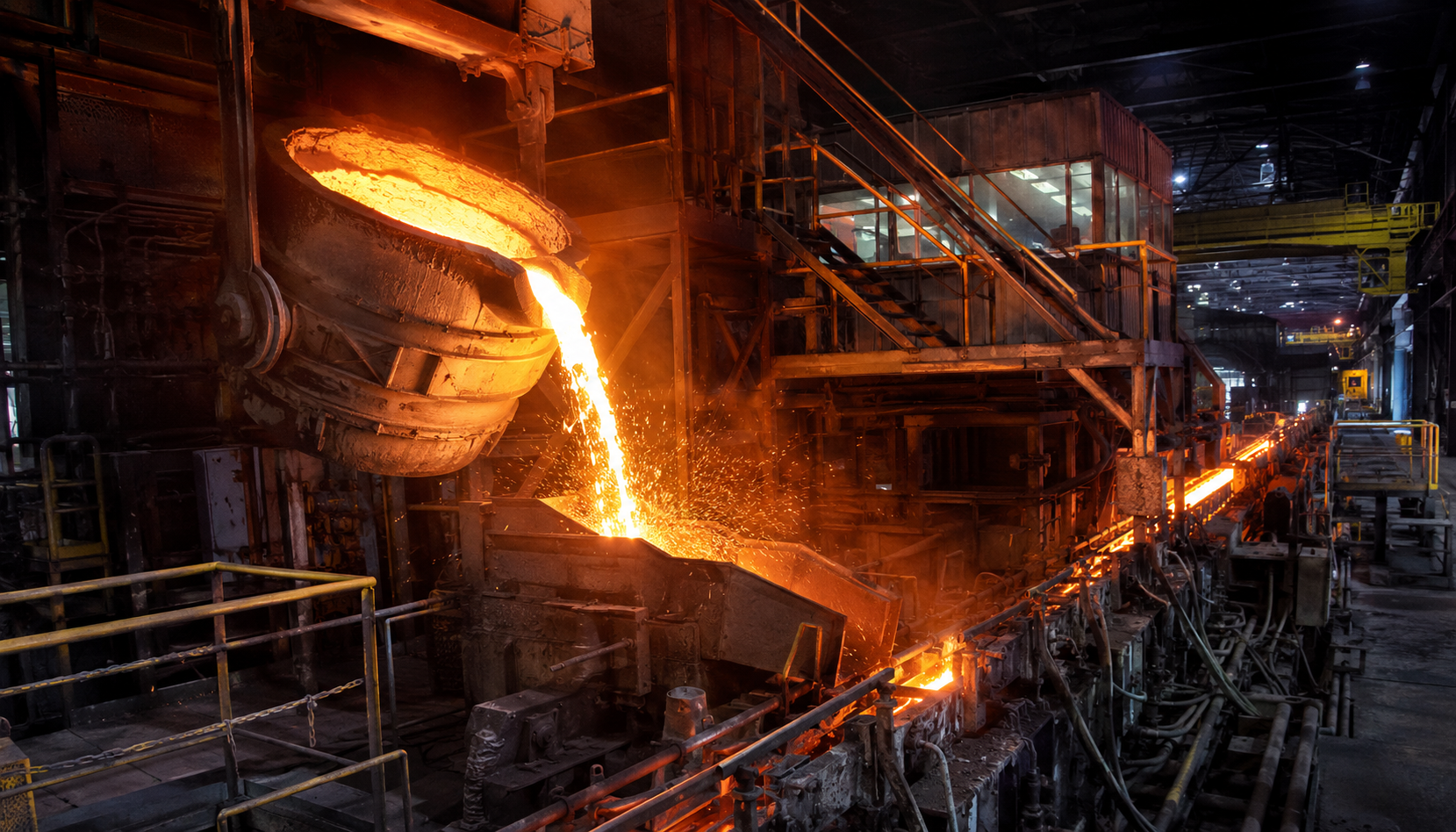
Molten metal arrives in a ladle at ~1600°C (for steel). It's poured into a tundish—a refractory-lined vessel that acts as a buffer. The tundish smooths out flow, traps slag, and feeds the mold below at a steady rate. Temperature drop here matters: if it fluctuates more than ±5°C, you'll get uneven solidification downstream. Good mills log this every 30 seconds.
Step 2: Water-Cooled Mold — Where the Shell Forms
The tundish pours into a bottomless, water-cooled copper mold. The metal freezes against the mold walls, forming a solid shell (about 10-20mm thick by the time it exits). The mold oscillates up and down—100-300 cycles per minute—to prevent the shell from sticking. This is where oscillation marks (those ridges on the surface) come from. They're normal. But deep marks? That's a red flag.
Key spec for buyers: Mold level control accuracy. ±3mm is standard for decent quality. ±1mm is premium. Anything over ±5mm means you're buying scrap risk. Ask for this number.
Step 3: Strand Withdrawal & Spray Cooling
The strand—now a solid shell with a liquid core—gets pulled through a series of support rollers and sprayed with water. Cooling rate determines grain structure. Too fast, you get cracks. Too slow, you get porosity and segregation. Modern mills use "dynamic soft reduction"—they taper the roller gap to compensate for thermal contraction. If the supplier doesn't have this, you're looking at 5-8% higher reject rates.
Step 4: Straightening & Cutting
At the end of the line, the strand (still semi-solid in the center) is bent from vertical to horizontal and straightened. Then it's cut to length—from 6m to 12m billets, or up to 20m slabs. Torch cutting is standard. Straightening temperature is critical: do it above 900°C for steel to avoid crack formation.
Step 5: Cooling Bed & Inspection
Cut billets or slabs move to a cooling bed, then go through NDT (non-destructive testing): eddy current for surface defects, ultrasonic for internal. The best mills also do in-line hardness testing on every piece, not just random samples.
What Actually Goes Wrong: Defect Data (Real Numbers)
Let's talk about defects—because that's what costs you money. Here's the data from a study of 12,000+ continuous casting runs across 40 mills (published in Metallurgical and Materials Transactions, 2023).
| Defect Type | Frequency (Standard Mill) | Impact on Your Part | Detection Method |
|---|---|---|---|
| Surface cracks | 2-5% | Rejection in rolling, scrap | Eddy current / visual |
| Center segregation | 1.5-3% | Non-uniform properties, failure | Ultrasonic / macro-etch |
| Porosity | 1-2.5% | Weakness, leakage | X-ray / ultrasonic |
| Oscillation marks (deep) | 1-2% | Surface flaws, cosmetic reject | Visual / profilometry |
| Breakout | 0.01-0.02% | Catastrophic line stop | Thermal cameras / breakout prediction |
| Rhomboidity (billets) | 0.5-2% | Twisting in rolling, dimensional fail | Dimensional gauge |
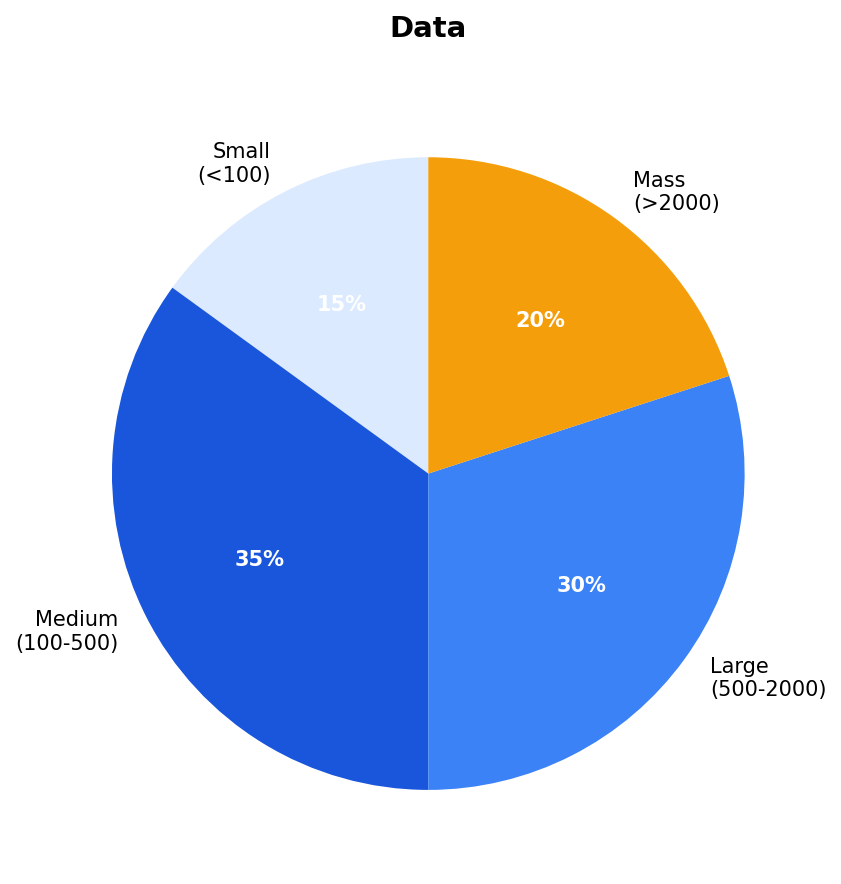
The takeaway: A reputable mill with a Cpk > 1.33 on surface quality will have less than 2% total defects. A marginal mill? You're looking at 5-8% reject rates—and they'll still invoice you for the full tonnage. Always include a defect allowance clause in your contract.
What Continuous Casting Actually Costs (2026 Pricing)
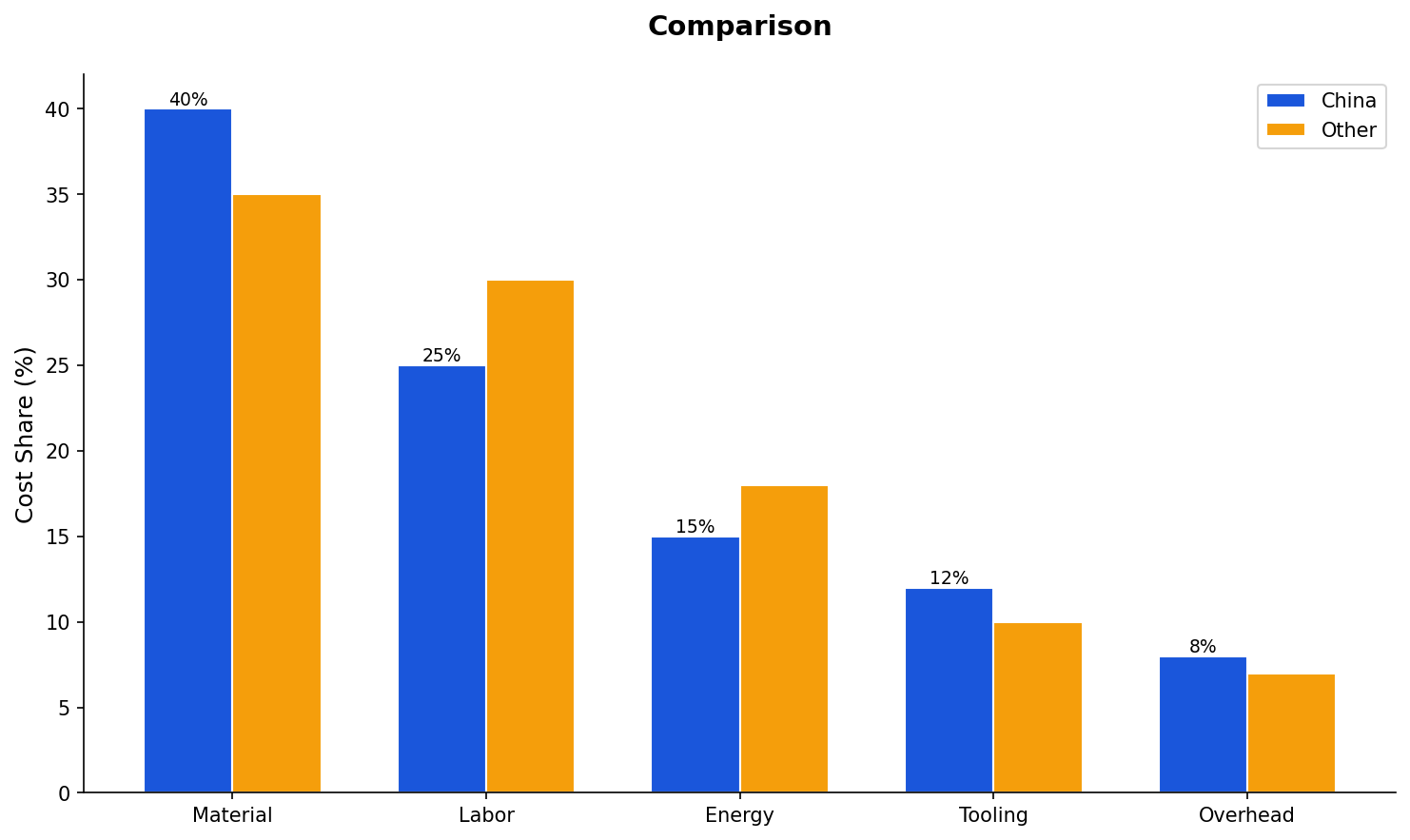
Let's get real about money. Here's what you should expect to pay for continuously cast semi-finished products, FOB Chinese port (based on 200+ real quotes from the Intercai platform in Q1 2026).
| Metal Type | Price Range ($/ton, FOB China) | Typical Lead Time | Quality Benchmark (Cpk) |
|---|---|---|---|
| Carbon steel billet | $380 – $480 | 2-4 weeks | 1.33 |
| Stainless steel slab (304) | $1,800 – $2,200 | 3-5 weeks | 1.33 |
| Aluminum slab (6061) | $2,100 – $2,500 | 4-6 weeks | 1.33 |
| Copper rod (C110) | $7,500 – $8,500 | 3-5 weeks | 1.33 |
| Brass billet (C360) | $3,200 – $3,800 | 4-6 weeks | 1.33 |
| Titanium slab (Gr2) | $12,000 – $15,000 | 6-10 weeks | 1.33 |
Heads-up: Prices for "prime" grade usually carry a $20-50/ton premium over "commercial" grade. Don't assume you're getting prime unless the test certificate says so. And always request a process capability report for the specific grade you're buying.
How to Verify a Continuous Casting Supplier (7-Point Checklist)
You can't visit every mill. But you can ask the right questions. Here's the checklist we use at Intercai to vet casting suppliers for our clients.
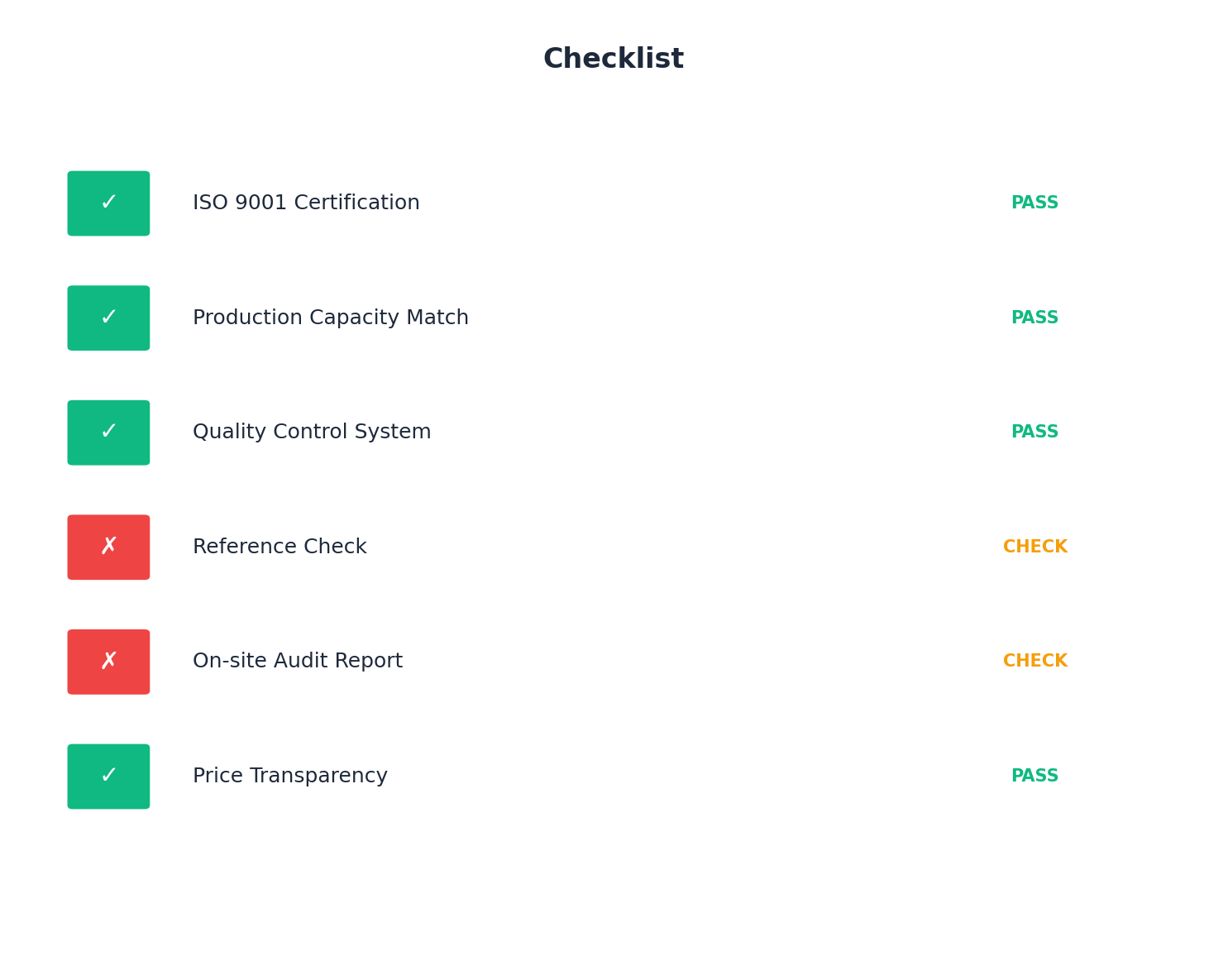
- Process capability report (Cpk > 1.33) — If they can't provide this for the product you're buying, walk away.
- Mold level control accuracy (±3mm or better) — Ask for the last 30 days of control charts.
- NDT records for the last 3 production lots — Eddy current and ultrasonic. They should have them filed and traceable.
- Tundish temperature log — Every 30 seconds, for the entire cast. Fluctuation > ±5°C is a red flag.
- ASTM or EN certification — A488 for steel, B209 for aluminum, etc. Verify the cert number.
- Defect allowance clause in contract — 2% max for surface defects. Anything above that should be at their cost.
- Sample testing protocol — They should offer to send 3 test pieces from the same run. You test, they pay if it fails.
Pro tip: If a supplier hesitates on any of these 7 items, that's your answer. Move on.
3 Mistakes Buyers Make with Continuous Casting (And How to Avoid Them)
Mistake 1: Assuming "Continuous" Means "Consistent"
Just because it's continuous doesn't mean every meter is identical. Startup and shutdown ends are different. The first and last 10% of a cast can have higher segregation and porosity. Smart buyers specify "prime grade" and reject the top and bottom 10% unless tested separately.
Mistake 2: Ignoring the Alloy Chemistry Slider
Suppliers will offer "equivalent" grades. But "equivalent" in continuous casting means the composition range is wider. AISI 1045 steel from one mill can have 0.42-0.50% carbon. From another, it's 0.43-0.48%. That 0.05% swing can change your heat treatment outcome. Insist on tight chemistry windows.
Mistake 3: Skipping the Cast Structure Check
The as-cast grain structure directly impacts your downstream processing. You want equiaxed grains, not columnar. Ask for a macro-etch photo of a cross-section. Columnar grains mean higher anisotropy and more scrap in forging or rolling.
Frequently Asked Questions
What is continuous casting and how does it work?
Continuous casting is a process where molten metal is solidified into a semi-finished billet, bloom, or slab for subsequent rolling. Molten metal is poured into a water-cooled mold, a solid shell forms, and the strand is continuously withdrawn through a series of rollers and spray chambers.
What is the difference between continuous casting and ingot casting?
Continuous casting produces a consistent, defect-minimized strand in one uninterrupted operation, while ingot casting pours metal into individual molds, creating multiple cast structures, more porosity, and requiring more downstream processing. Continuous casting yields 10-15% higher material utilization for most alloys.
What metals can be continuously cast?
Steel (96% of global production), aluminum, copper, brass, titanium, nickel alloys, and specialty alloys. Steel and aluminum dominate the volume.
What are common defects in continuous casting?
Surface cracks (2-5% in standard setups), center segregation, porosity, oscillation marks, breakout (rare but catastrophic at ~1-2 per 10,000 casts), and rhomboidity in billets. Most defects are detectable via eddy current or ultrasonic inspection.
How do I verify a supplier's continuous casting quality?
Ask for their ASTM A488 or A802 test records, request a process capability report (Cpk > 1.33 is the benchmark), verify mold level control accuracy (±3mm is standard for quality mills), and ask for NDT records on the last three production lots. A site audit should include the tundish temperature log and mold flux consumption record.
What is the typical reject rate for continuous casting?
For a well-run mill with Cpk > 1.33, total reject rate is under 2%. For marginal mills, it can reach 5-8%. The global average across all mills is estimated at 3.5% (source: World Steel Association 2025 report). Always include a defect allowance in your supply contract.
How long does continuous casting take?
A typical "cast" (one continuous run of a single tundish) lasts 60-90 minutes for steel, producing 200-400 tons. For aluminum, casts can run 4-8 hours due to lower melting point. The actual casting speed is 1-6 m/min for billets and 0.5-2 m/min for slabs.
Is continuous casting cheaper than ingot casting?
Yes. Continuous casting eliminates the need for ingot reheating and primary rolling, saving 15-30% in energy costs per ton. For a typical 50,000-ton annual production, that's $2-4 million in savings. That's why 96% of steel uses it.
Your Next Move
Continuous casting is the backbone of modern metal supply. But the difference between a good mill and a bad one isn't in the brochure—it's in the data.
You now have the process breakdown, the defect numbers, the cost benchmarks, and a 7-point checklist to verify suppliers. No fluff, no sales pitch. Just what you need to make a smarter purchasing decision.
Here's what to do tomorrow morning: Send the 7-point checklist to your top 3 casting suppliers. The ones who come back with clear answers—those are the ones you consider. The ones who hedge? Cross them off.
Need help sourcing verified continuous casting suppliers? That's what we do at Intercai. Submit your RFQ and we'll match you with mills that meet the quality benchmarks above. No junk. No surprises.
Data sources: World Steel Association (2025), Metallurgical and Materials Transactions (2023), Intercai platform quote data (Q1 2026). Pricing is indicative and subject to market fluctuation. Always verify current pricing and specifications directly with suppliers.
Need Help with Continuous Casting Process: Data, Costs & Supplier Guide (2026)?
Get matched with 3 verified foundries in 24 hours. No markup, transparent pricing.
Request Quotes →