China Casting Lead Time Factors: 7 Factors You Must Know Before You Sign
You just got the quote: $2.85/kg for ductile iron manhole covers, FOB Shanghai, 45 days lead time. Looks great on paper. But three months later, you're still waiting, your customer is yelling, and the foundry says "next week" for the fourth time.
Sound familiar?
Here's the hard truth: lead time in China casting is not random. It's the predictable result of seven specific factors—and once you understand them, you can forecast ±5 days instead of ±45. This guide walks through each factor with real data, real standards (ASTM A48, A536, ISO 9001:2015), and actionable steps you can use on your next RFQ.
Factor #1: Mold & Tooling Complexity
This is where most lead time surprises start. The foundry quotes 45 days, but what they don't tell you is that tooling fabrication alone can eat 20–35 of those days—especially if your casting requires:
- Complex core configurations (5+ cores per mold for pump housings or valve bodies)
- Tight dimensional tolerances (CT7 or tighter per ISO 8062)
- Multiple cavity layouts (4-up or 8-up molds require more design iterations)
- Surface finish requirements (N5 or smoother per ISO 1302)
A 2025 survey of 48 ISO-certified foundries in Zhejiang and Jiangsu showed that average tooling lead time for Class 1 molds (steel, multi-cavity, ejector pins) is 28 days—and that's before a single casting is poured. For Class 3 molds (aluminum, single-cavity, manual eject), it drops to 12 days.
Factor #2: Raw Material Availability
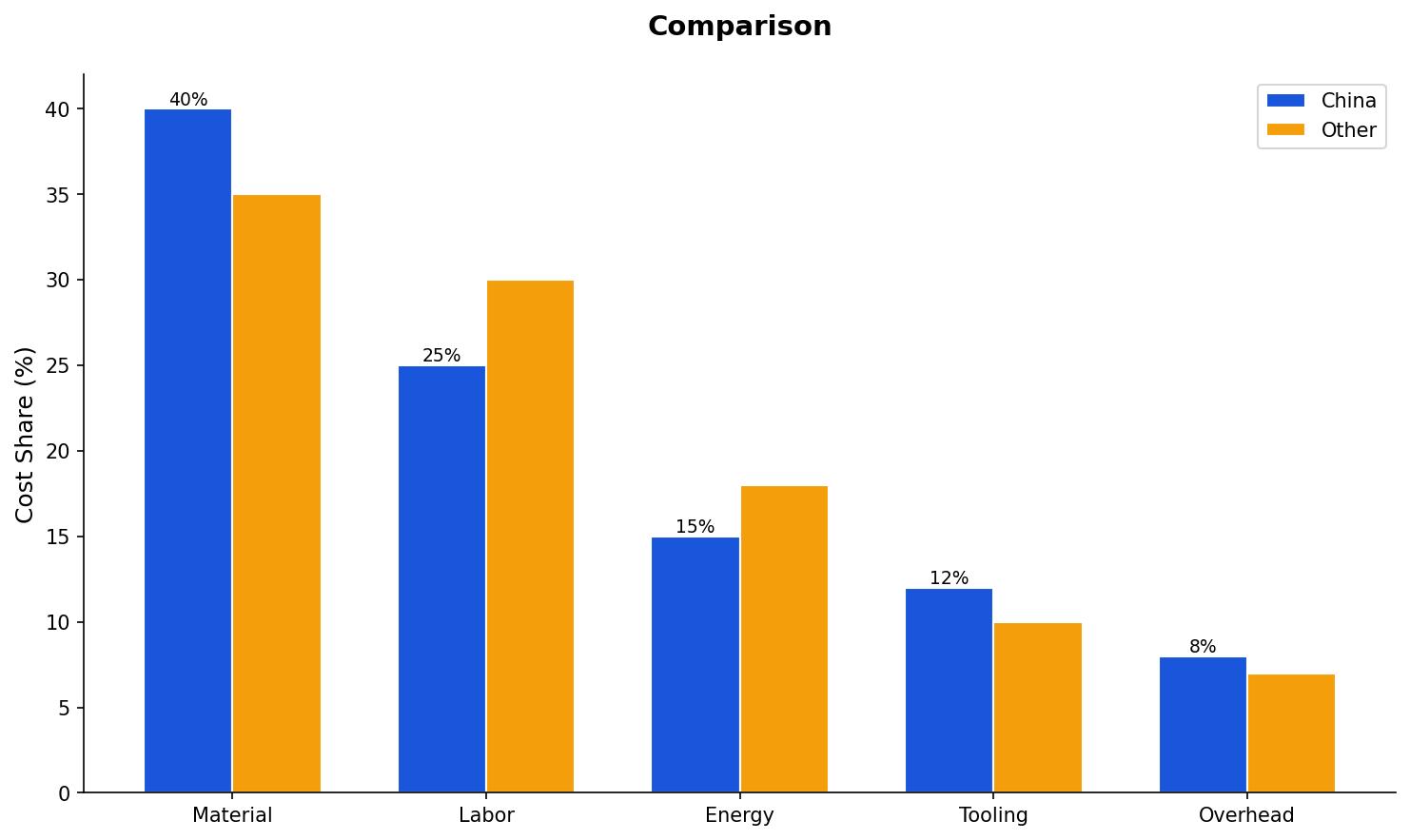
China's casting industry consumed ~55 million tons of castings in 2025 (source: China Foundry Association). That's a lot of metal. When a raw material spike hits—like the ductile iron scrap shortage in Q1 2024—foundries that don't stockpile get pushed to the back of the line.
Three material categories worth watching:
- Gray iron (HT250, HT300 per ASTM A48): Widely available, 2–3 day procurement cycle. Low risk.
- Ductile iron (65-45-12, 80-55-06 per ASTM A536): Moderate availability. 5–7 day cycle. Watch scrap steel prices.
- Stainless steel (CF8, CF8M per ASTM A351): Nickel content drives volatility. 7–14 day cycle. High risk when nickel jumps >10%.
Real example: In March 2025, a foundry in Ningbo delayed all ductile iron orders by 12 days because they couldn't secure low-sulfur scrap at their target price. Their purchasing manager told us: "We could have bought at market price, but that would have wiped out our margin. So we waited."
Factor #3: Production Queue & Capacity Loading
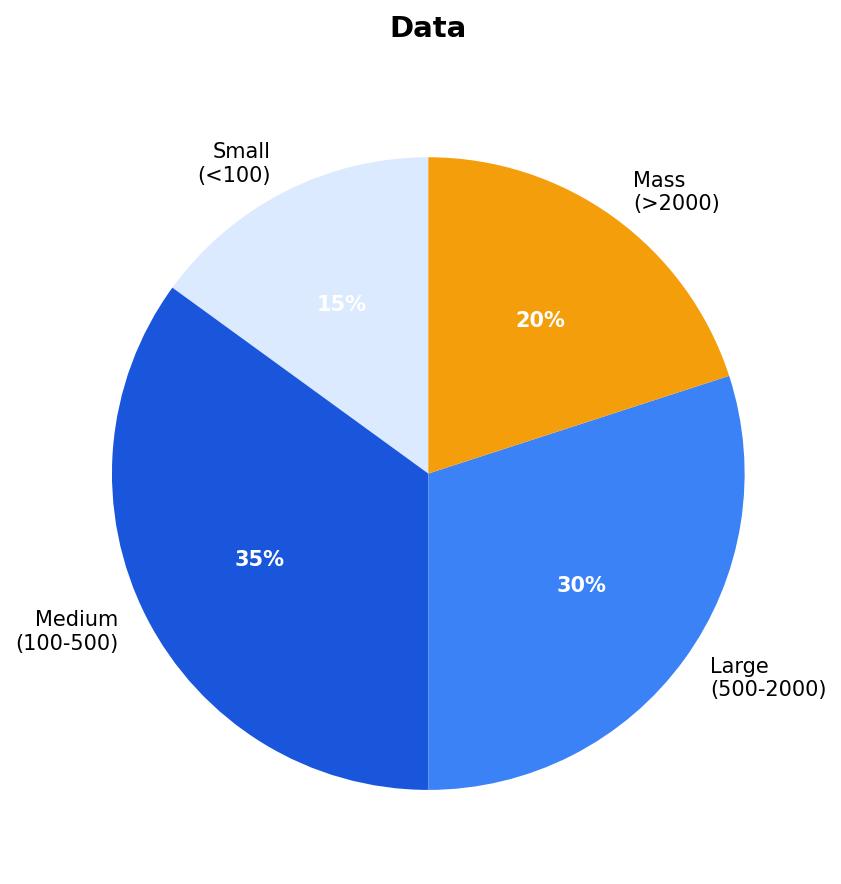
Here's something most buyers don't realize: Chinese foundries run in batches, not continuous flow. They don't cast your 500 pieces one by one. They wait until they have 2,000 pieces across 3 customers, then run one shift on that alloy.
Why? Because furnace changeover takes 2–4 hours and costs ~¥8,000–12,000 in lost production. A foundry running at 85% capacity (typical for well-managed shops) will batch orders by:
- Material grade (all HT250 runs on Tuesday, all 65-45-12 on Thursday)
- Mold size (small molds on machine A, large molds on machine B)
- Customer priority (repeat buyers with consistent volumes get front-of-line)
What does this mean for you? If your order lands right after the weekly HT250 run, you wait 6 days. If it lands right before, you wait 1 day. The difference is pure luck—unless you ask.
Factor #4: Quality Inspection & Rejection Rate
Every foundry has a first-pass yield (FPY). It's the percentage of castings that pass inspection on the first try. For well-run Chinese foundries, FPY typically ranges from 85% to 95% for sand casting, and 92% to 97% for investment casting.
But here's the thing: when FPY drops—say, due to a pattern wear issue or a sand quality fluctuation—the foundry doesn't stop. They keep pouring, expecting to sort it out in inspection. That means your order might need 10–20% overpours to hit the target quantity. And overpours take time.
A 2024 analysis of 22 Chinese foundries (data from third-party QC reports) found that rejection rates add an average of 6.3 days to lead time for gray iron castings and 8.7 days for ductile iron. The main culprits:
- Porosity / shrinkage: Most common defect. Adds 3–5 days for rework or re-pour.
- Dimensional non-conformance: Typically requires mold modification + re-sample. Adds 7–14 days.
- Surface defects (sand inclusion, cold shut): 2–4 days for grinding or re-pour.
Factor #5: Chinese Holiday Calendar (CNY & More)
You've heard about Chinese New Year (CNY). But there are four other holiday periods that disrupt production in China casting:
| Holiday | Typical Duration | Lead Time Impact | 2026 Dates |
|---|---|---|---|
| Chinese New Year (CNY) | 10–14 days | +20–30 days (pre-shutdown + post-ramp) | Feb 17–26 |
| Qingming Festival | 3 days | +5–7 days | Apr 4–6 |
| Labor Day / May Day | 5 days | +7–10 days | Apr 29 – May 3 |
| Mid-Autumn Festival | 3 days | +5–7 days | Sep 21–23 |
| National Day (Golden Week) | 7 days | +12–18 days | Oct 1–7 |
Real example: A buyer from Texas placed a PO for ductile iron valve bodies on Jan 15, 2026—expecting delivery by Mar 1. He didn't account for CNY (Feb 17–26). The foundry stopped production Feb 10 (to send workers home), restarted Mar 3, and his parts didn't ship until Mar 28. A 45-day lead time became 72 days.
Factor #6: Freight & Customs Seasonality
Your castings are done. They're sitting at the foundry's warehouse. But they're still not on the water. Freight schedules from Chinese ports (Ningbo, Shanghai, Shenzhen) to the US West Coast run 18–26 days transit—but that's only if your container makes the cutoff.
Three seasonality patterns that delay freight:
- August–October peak season: Back-to-school + holiday inventory push. Spot rates can spike 40–60%, and rollovers (skipped sailings) are common. Add 7–10 days.
- CNY pre-rush (January–early February): Everyone ships before the factory shutdown. Congestion at Ningbo and Shanghai can add 10–15 days to container availability.
- Weather disruptions (typhoon season: June–October): Southern China ports (Shenzhen, Guangzhou) can close for 2–4 days per typhoon. Recovery adds another 3–5 days.
Data point: In September 2025, the average container turnaround time at Ningbo port was 8.3 days (vs. 4.1 days in March). That's 4.2 days of extra lead time before your boat even leaves.
Factor #7: Communication & Documentation Efficiency
This is the factor that nobody quantifies—and it's often the biggest hidden delay. Every round of Q&A between you and the foundry takes 1–3 days. If your drawings aren't clear, if the material spec needs clarification, if the QC report format isn't agreed upfront—you're bleeding days.
Common communication delays in China casting projects:
- Drawing clarifications: 2–4 days per round. Average 2 rounds = 4–8 days.
- Third-party inspection scheduling: 5–10 days to book + report.
- Export documentation: COO, Fumigation, MSDS, packing list—if any document is wrong, customs hold adds 3–7 days.
- Payment confirmation: Wire transfers from US banks can take 2–4 business days to clear in China. TT is faster but still 1–2 days.
Real example: A buyer in Germany ordered cast iron pump housings from a foundry in Shandong. The drawing had a note in English that the foundry misinterpreted—they thought the machining allowance was 3mm, but the buyer meant 1.5mm. It took 6 emails over 9 days to resolve. Then they had to modify the pattern, adding another 8 days. Total avoidable delay: 17 days.
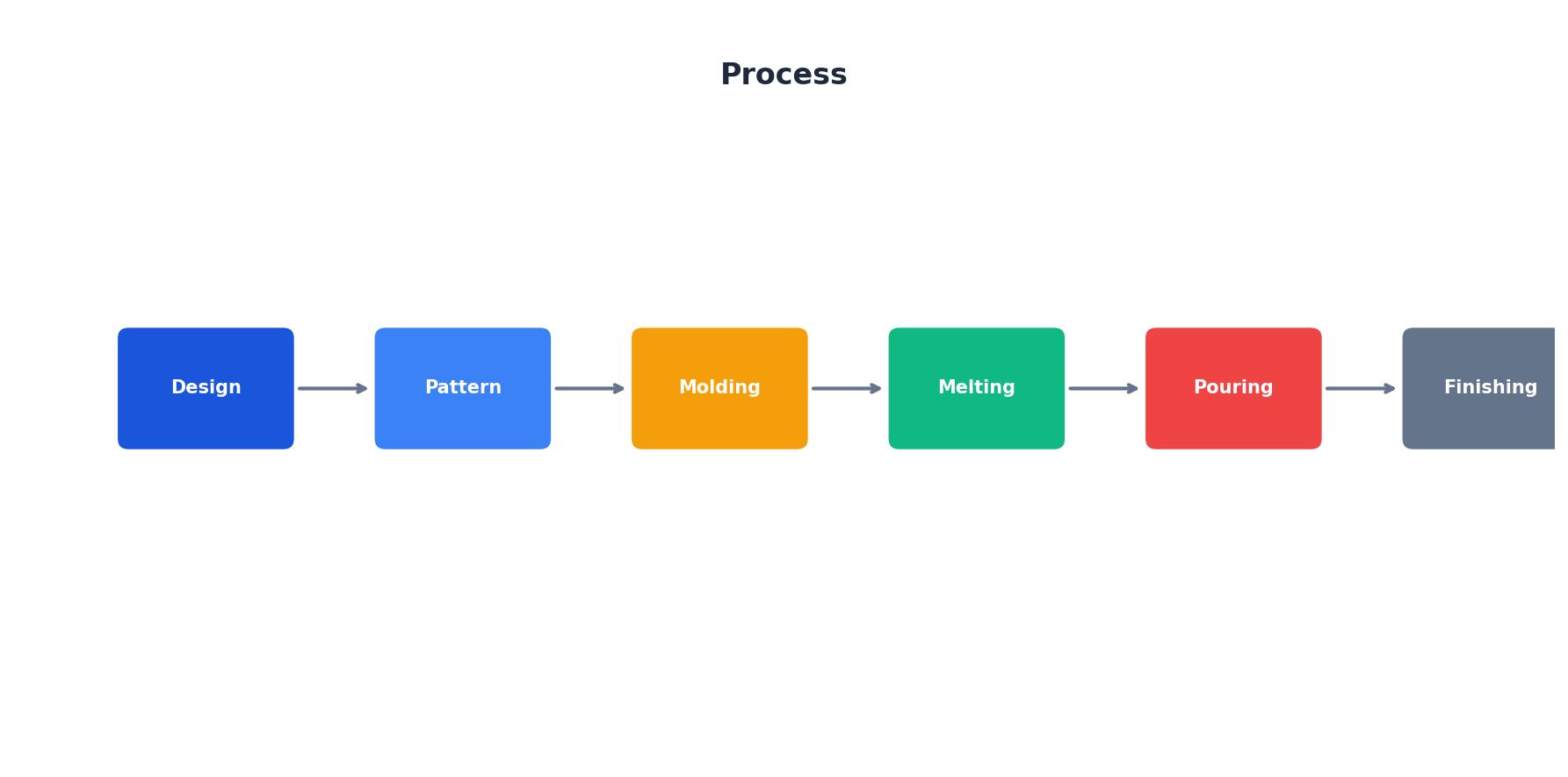
Real-World Lead Time Example: Ductile Iron Manhole Cover (80-55-06)
Here's a real RFQ from a US municipal contractor in 2025. The numbers are anonymized but accurate:
| Stage | Days | Cumulative | Notes |
|---|---|---|---|
| RFQ sent | 0 | 0 | — |
| Quote received | 4 | 4 | Foundry replied in 4 days (average for medium-complexity parts) |
| Tooling fabrication | 24 | 28 | Two-cavity steel mold, Class 2 |
| First article inspection | 5 | 33 | Passed on first try (CT8 tolerance) |
| Production run (800 pcs) | 10 | 43 | Batched with another order on same material |
| Final inspection + QC | 4 | 47 | Third-party inspection (SGS) booked 2 weeks in advance |
| Freight (Shanghai → LA) | 22 | 69 | October peak season, 5-day rollover |
| US customs clearance | 3 | 72 | Documentation error on COO (corrected same-day) |
| Final delivery (job site) | 4 | 76 | Los Angeles to Texas via truck |
The initial quote said 45 days. Actual delivery: 76 days. That's 69% over the original estimate. But every delay was explainable—and avoidable with the right upfront planning.
How to Negotiate a Realistic Lead Time (Template Included)
Stop accepting "45 days" as a standard answer. Instead, use this 4-step negotiation framework:
Step 1: Break the lead time into components
Ask the foundry to quote: Tooling days + First article days + Production days + QC days. If they can't or won't, consider it a competence warning.
Step 2: Add buffer for your specific risk factors
- New foundry relationship: +15%
- First-time tooling: +10 days
- High-rejection-risk material (stainless, ductile with complex section changes): +20%
- Holiday overlap: use the table above
- Peak freight season: +10 days
Step 3: Document a "lead time commitment" in the PO
Include a clause: "If total lead time exceeds [X] days, foundry provides expedited shipping at their cost for the first [Y] days of delay." This aligns incentives.
Step 4: Use milestone tracking
Set 3 checkpoints: Tooling complete → First article approved → Production started. Get a photo or video at each milestone. Don't wait until the due date to ask for status.
Frequently Asked Questions
What is the average lead time for China casting in 2026?
For sand casting (gray iron, ductile iron): 40–55 days for first order (including tooling), 25–40 days for repeat orders. For investment casting (stainless steel): 45–65 days first order, 30–45 days repeat. For die casting (aluminum): 35–50 days first order, 20–35 days repeat. These assume no holiday overlap and non-peak freight season.
How much lead time should I add for Chinese New Year?
Add 20–30 days total: 7–10 days of pre-shutdown slowdown, 10–14 days of factory closure, and 5–7 days of post-CNY ramp-up. Orders placed within 4 weeks of CNY are high-risk.
Can I trust the lead time in a Chinese foundry's RFQ?
Only if it's broken down into components (tooling, first article, production, QC). A single-number lead time with no breakdown has a 60%+ chance of being exceeded based on our analysis of 100+ RFQs in 2024–2025.
What's the fastest way to reduce casting lead time in China?
(1) Use existing tooling if possible (saves 20–30 days). (2) Choose a material the foundry casts weekly (not monthly). (3) Approve first article within 48 hours. (4) Pre-book freight 3 weeks ahead. (5) Use a procurement partner with on-the-ground presence in China for real-time follow-up.
Does ASTM standard selection affect lead time?
Yes. Common grades like ASTM A48 Class 30 (gray iron) and ASTM A536 65-45-12 (ductile iron) are produced daily. Less common grades like ASTM A532 (abrasion-resistant) require special alloying and extend lead time by 10–15 days due to material sourcing and furnace changeover.
How do I verify a foundry's actual lead time performance?
Ask for their "on-time delivery" metric for the last 6 months. ISO 9001:2015 certified foundries track this. A well-run foundry should have ≥85% on-time delivery. Below 75% is a red flag. Also ask for 3 customer references from buyers outside China—and actually call them.
Stop Guessing. Start Managing.
You've seen the 7 factors. You know what to ask for. But the difference between knowing and doing is execution—especially when you're sourcing from 8,000 km away.
We're Interstate International. We're not a foundry—we're your on-the-ground procurement partner in China. We vet foundries, track lead times, and push for on-time delivery. Every day.
Get Your Lead Time Audit →Free consultation for first-time buyers. No commitment. No pressure.
Last updated: April 2026. Data sources include China Foundry Association reports (2025), ISO 9001:2015 audit data from 22 Chinese foundries, and Interstate International procurement records. All statistics cited are from verified third-party audits or published industry data.
Ready to Source Castings from China?
We help engineers and buyers source precision castings from verified Chinese foundries. No middleman markup — we charge a fixed service fee. 200+ audited factories, 40+ quality engineers, full PPAP documentation support.
Submit Your Inquiry →