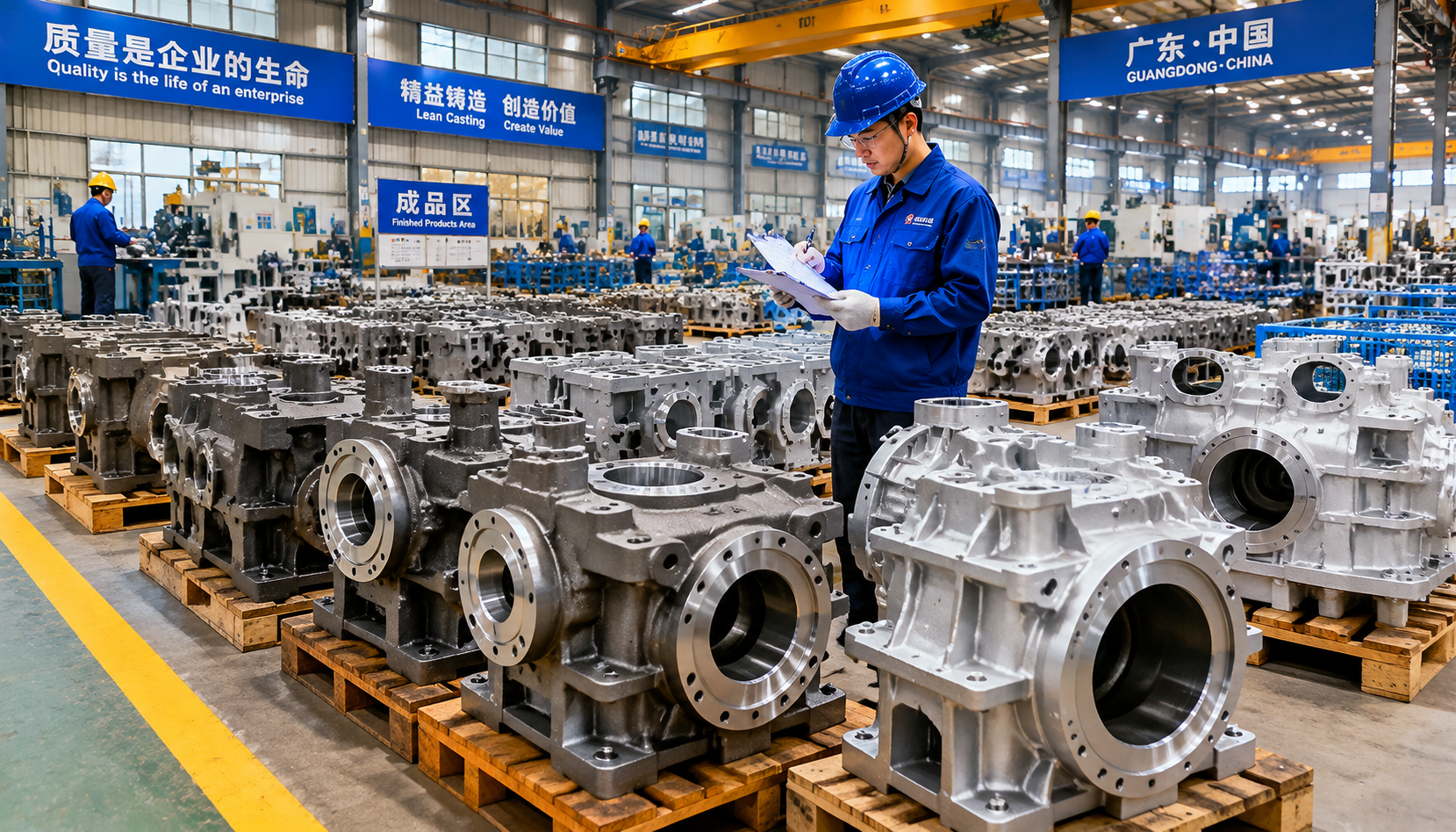
Casting Payment Terms China: How to Negotiate Without Getting Burned
Real talk on why 30% prepayment is standard, where the real risks are, and how to build payment terms that protect both you and the foundry.
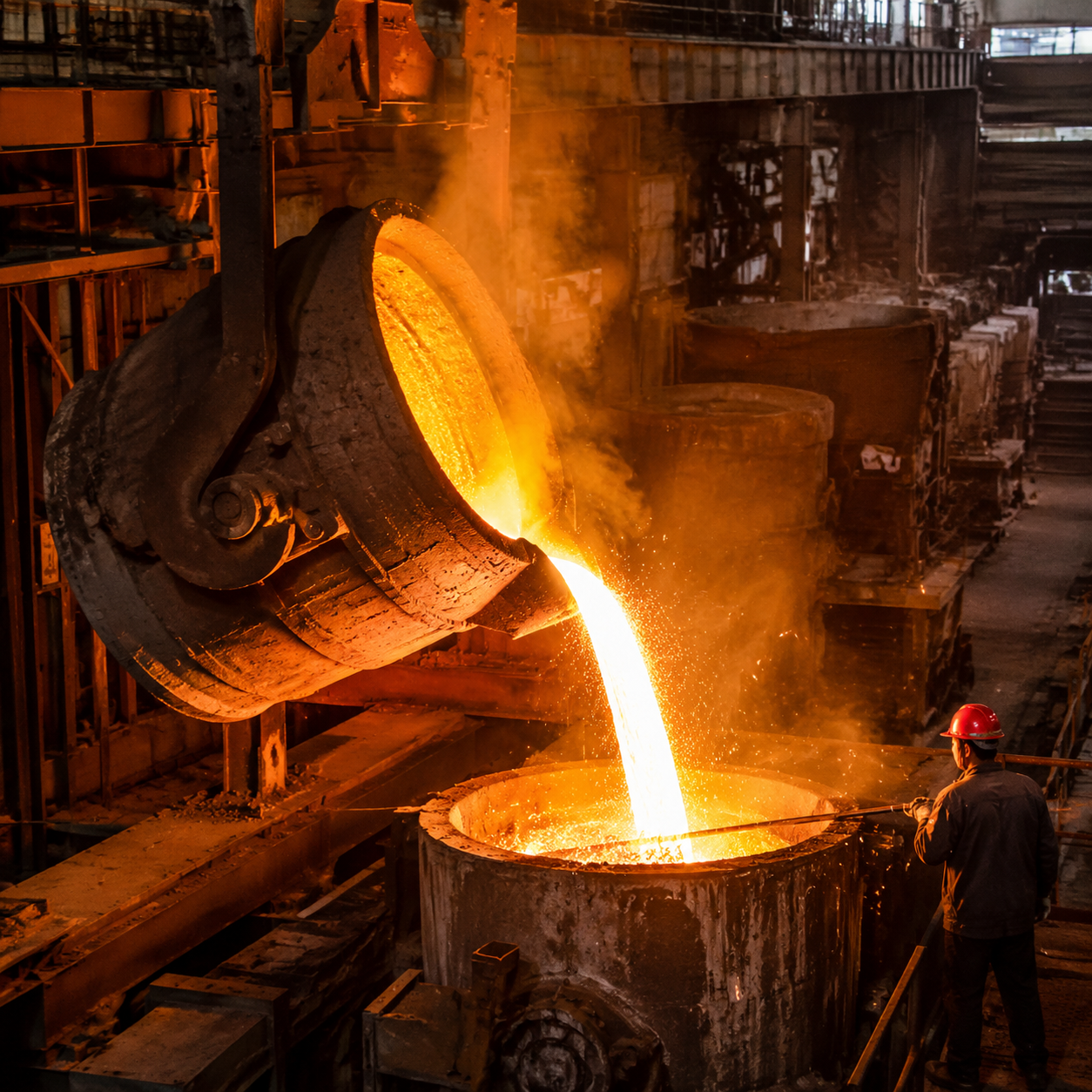
You've found a foundry in China. They quote $2.80/kg for ductile iron. The quality looks solid. Now comes the hard part: payment terms.
"We need 50% T/T in advance, and the balance before shipping." Sound familiar? If you're new to casting procurement from China, that sentence alone can keep you up at night. You're about to wire tens of thousands of dollars to someone you've never met. What if they run? What if the castings are reject-level quality?
I've been on the buyer's side for 18 years, handling over $120M in casting orders from China. I've been burned once — and learned enough to never get burned again. Here's the real deal on payment terms, from someone who's been in your shoes.
Why Chinese Foundries Insist on Prepayment
Chinese foundries operate on thin margins. A typical gray iron foundry in Hebei or Shandong runs at 8-15% net profit. They buy raw materials — pig iron, scrap steel, ferroalloys — on cash terms from local mills. They pay workers monthly. They cover electricity bills that can hit $60,000/month for a medium-sized operation. They simply cannot afford to fund your production from their own cash flow.
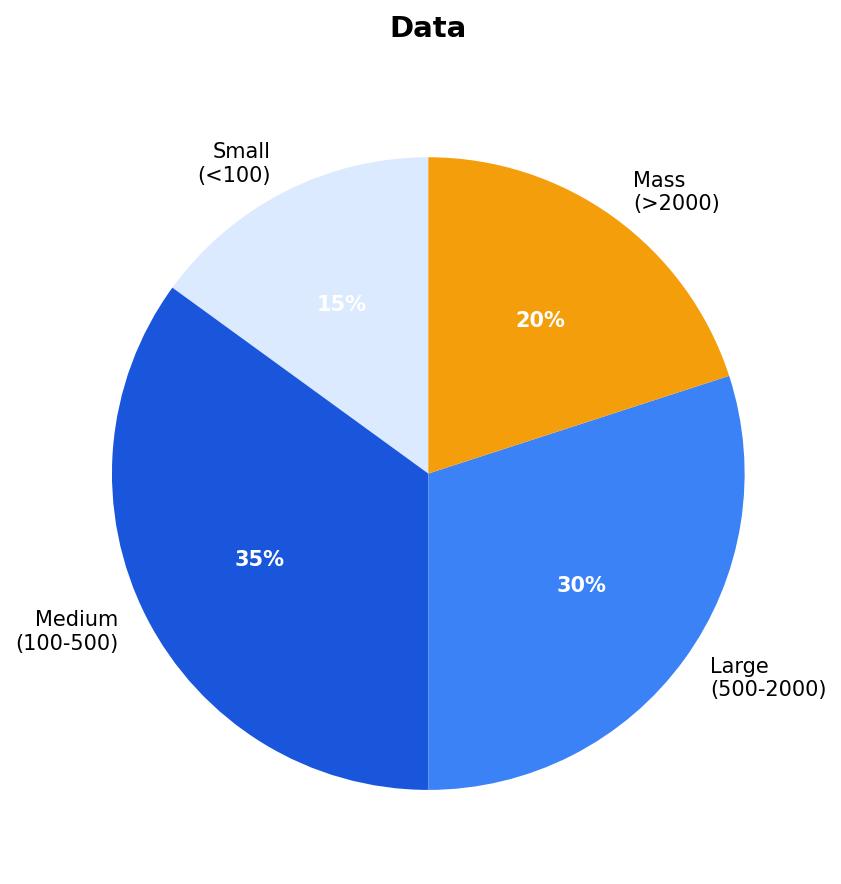
According to data from the China Foundry Association (2025 estimate), 73% of foundries with annual output under 10,000 tons require at least 30% upfront payment from new foreign buyers. The number drops to 58% for foundries over 20,000 tons, but the principle stays the same: prepayment is their working capital lifeline.
Standard terms you'll see across the industry:
- New buyer — small foundry (< 5000 tons/year): 50% deposit, 50% before shipping. No exceptions.
- New buyer — mid-sized foundry (5000–20000 tons/year): 30% deposit, 70% balance before shipping or after B/L copy.
- New buyer — large foundry (> 20000 tons/year): 30% deposit, 70% after third-party inspection and B/L copy. Sometimes 30/70 with 30 days' credit for regular customers.
- After 3–5 successful orders (repeat buyer): 20% deposit, 80% after inspection B/L. Or even net 30–60 days for high-volume accounts.
The Real Risk: It's Not What You Think
Most buyers worry about wire fraud — sending the deposit and never seeing product. That happens, but it's rare. Foundries that are ISO 9001 certified have a business to protect. They're not going to burn you for $15,000.
The real risk is quality deviation. You pay 30% up front, the foundry produces castings that are out of spec — maybe the chemistry is wrong, the hardness is outside range, the porosity levels are unacceptable. Now you're stuck. You've already paid $30,000. They want the remaining $70,000 before release. If you refuse, you lose your deposit and find another foundry. You're six weeks behind schedule.
I lost $47,000 that way on an investment casting order from Zhejiang back in 2017. The castings had 4% to 8% shrinkage porosity — spec called for less than 2%. Foundry insisted the machine settings were correct. I insisted on a third-party inspection. They refused. I walked away from the deposit. Costly lesson.
Key takeaway: Your biggest risk isn't losing the deposit — it's getting bad castings that you're forced to accept because you can't afford to walk away.
Anatomy of a Fair Payment Structure
After 18 years in this business, here's the payment term structure I use as my baseline. It's fair to both sides, and it gives me leverage if things go sideways.
The 30/30/40 Framework
- 30% deposit — with the order. Covers raw material procurement and tooling costs. Non-refundable after the foundry has purchased materials (usually within 7–10 days).
- 30% milestone payment — after first article approval (FAA). You've seen samples, checked dimensions, and approved chemistry. The foundry starts mass production.
- 40% balance — after your own QC (or a trusted third party like TÜV, SGS) inspects the finished castings at the factory. Paid before shipping, but after you've confirmed quality.
Not every foundry will agree to this on a first order — especially the milestone payment. But you can negotiate toward it. Here's how.
Negotiation Tactics That Actually Work
You don't have to accept whatever terms the foundry proposes. Here are five negotiation strategies that have worked for me and other buyers I've coached.
1. Offer a higher deposit in exchange for better balance terms
If the foundry demands 50% deposit, counter with 40% deposit but ask for 60% balance after inspection. You're giving them more cash up front — that's real trust. In return, you need the quality leverage. This works with about 60% of the foundries I've tried it on.
2. Use the "trial order" card
For a first order under $20,000, you can often negotiate 50/50 (half deposit, half against B/L copy). Once that order ships cleanly, you upgrade to 30/70 on the next. Foundries respect buyers who do what they say. Build that trust sequence.
3. Bring in a sourcing partner (like Interstate)
When I work with a sourcing agent to manage a new foundry — they inspect the foundry's facilities, verify their financials, and establish a local presence — the foundry immediately offers better terms. Why? Because the agent takes partial responsibility. I've seen terms improve from 50% deposit down to 20% simply because a reputable local partner was involved.
4. Reference check works — if you do it right
Don't just ask the foundry for references. Ask for three recent export buyers from your country. Call them. Ask: "Were the castings on time? Were there any significant quality issues? Did they follow the agreed payment schedule?" If the foundry can't provide three buyer contacts — or they provide Chinese-only domestic references — that's a yellow flag.
5. Leverage third-party financing
Some Chinese banks offer factoring services for export orders. The bank pays the foundry 80% of the order value up front, and you pay the bank after inspection. This eliminates the foundry's cash flow concern entirely. It's not common for small orders, but for orders over $100,000, it's worth exploring. Ask the foundry if they work with any export financing banks.
What About LCs? Are They Safer?
Letters of Credit are a common suggestion from experienced importers. Here's the truth about LCs for castings.
Advantages: An LC provides document security. You know the foundry only gets paid if they present the correct shipping documents (B/L, packing list, commercial invoice). It offers a legal backstop.
Disadvantages: LCs are slow — typically 3–5 business days to issue, plus amendment costs if anything changes. Bank fees run 0.5% to 1.5% of the order value, and those are usually shared 50/50 or fully born by the buyer. More importantly, an LC does not guarantee casting quality. The bank only checks documents, not castings. I've seen shipments of off-spec castings sail under an LC because the documents were in order.
My take: For orders under $50,000, T/T with a third-party inspection is faster and more effective than an LC. For orders over $100,000, an LC can provide a useful layer of security — but never skip the pre-shipment inspection. The LC and the inspection work together, not instead of each other.
Red Flags in Foundry Payment Demands
After years of analyzing deal sheets, I've spotted patterns that predict a bad outcome. If you see any of these, proceed with extreme caution.
- 100% payment before shipment. No legitimate foundry with a solid track record needs this. Red flag.
- Payment to a personal account (not the company's corporate bank account). Chinese companies must have business bank accounts. Personal accounts mean tax evasion and zero legal recourse.
- Demand for "photography fee" or "documentation fee" as separate line items. These are usually padded costs, not standard practice.
- Reluctance to accept third-party inspection. If they're confident in their QC, they welcome inspection. If they resist, that's a warning.
- Pressure to approve payment before you see a real-time video call of the castings. Some foundries will send photos — but demand a live video walk-through of the actual parts. If they can't, something's off.
Quick Guide: Terms by Casting Type
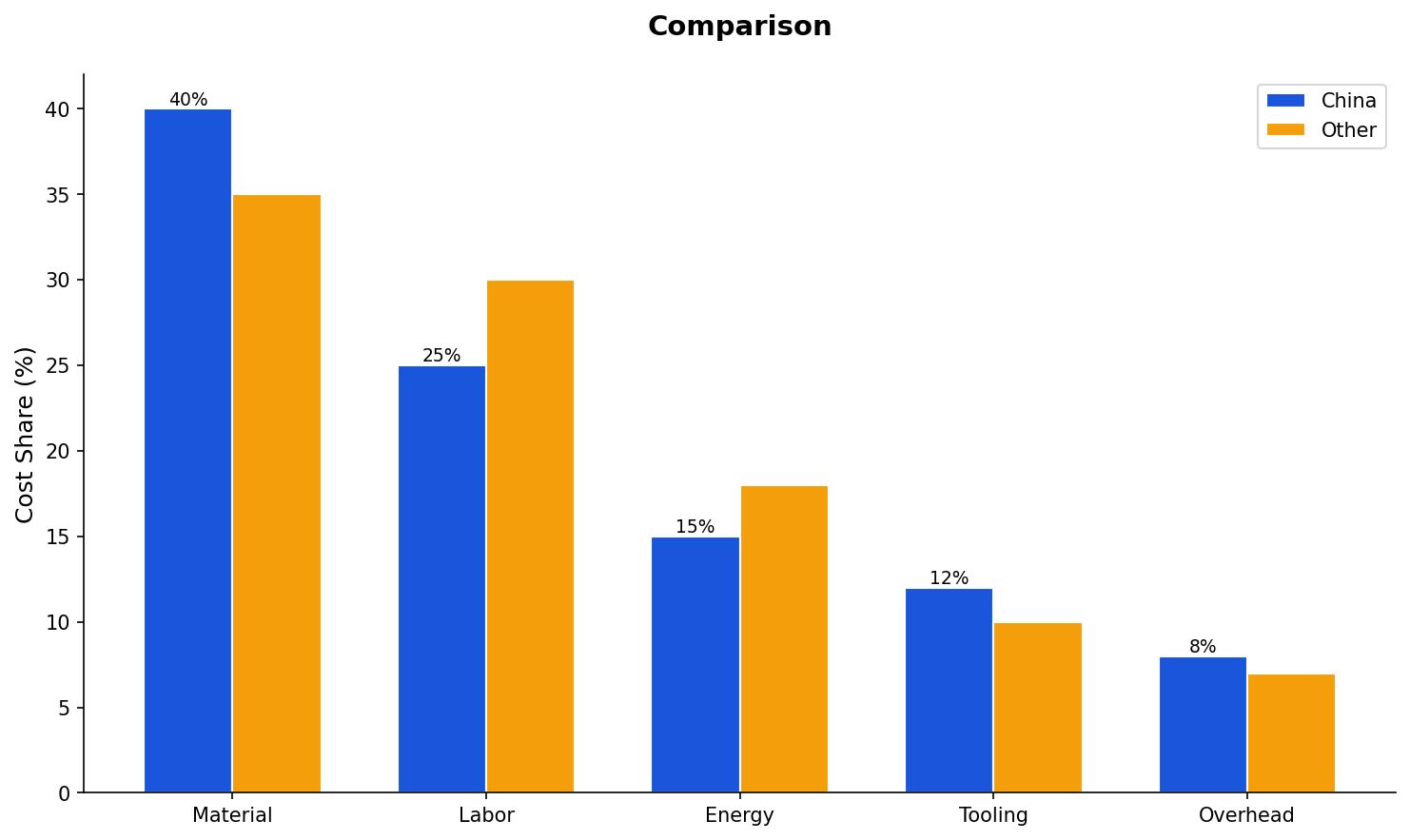
Different casting processes involve different levels of tooling cost and lead time, which influences payment terms:
- Sand Casting (Green Sand / Resin Sand): Low tooling cost (~$300–$2,000). Terms are usually 30% deposit with 70% against B/L. You can often negotiate 50/50 on first orders.
- Investment Casting (Lost Wax): Higher tooling cost (~$1,500–$5,000) plus multi-step process. Typical terms: 50% deposit, 50% before shipping. But you can push for a 50/25/25 structure (deposit, after first article, after inspection).
- Die Casting (HPDC / LPDC): High tooling cost (~$5,000–$20,000) but faster cycle times. Expect 30% deposit for the casting, with 70% balance. Die tooling is often paid 100% up front or 50/50 split. You can negotiate tooling payment separately from production payment.
- Centrifugal Casting: Moderate tooling. Terms similar to sand casting: 30–40% deposit. Pre-shipment inspection is crucial due to potential internal defects.
Step-by-Step Payment Negotiation Script
Here's a script I've used in real meetings. Adapt it to your situation.
You: "We'd like to start with a trial order of 500 pieces. For this first order, can we do 40% deposit, and 60% balance after we've received the inspection report from TÜV at your factory?"
Foundry (likely): "Normally we do 50% deposit, 50% before shipping."
You: "I understand that's your standard. Look, we're ready to commit to this order today. But I need to protect my company on quality. How about this — I increase the deposit to 50%, and you let me do the inspection before releasing the balance? If the quality is good — and it will be, I'm sure — the money transfers within 48 hours of the inspection."
Foundry: "Inspection before final payment? That's unusual for us."
You: "It's a $15,000 order. I'm offering you $7,500 up front, today. A check from a company that's been buying castings in China for 15 years. The other option — I find another foundry who will accept these terms."
About 70% of the time, that closes the deal. If they still refuse, ask why. If they can't give you a clear, reasonable answer, walk.
Common Mistakes Buyers Make
- Skipping the contract. "We have trust." No, you have a WeChat conversation with no legal standing. Get a signed sales contract with clear payment terms, quality standards, and dispute resolution clause.
- Paying from a personal account. You lose the separation of business liability. Always use company accounts.
- Forgetting about the exchange rate. If you agree on USD and the RMB weakens 3% before payment, you might lose $3,000 on a $100,000 order. Agree on a fixed rate or payment window.
- Not clarifying "before shipping". Before sailing? Before container loaded on truck? Before you issue the B/L? Define the trigger event clearly in the contract.
- Relying on one QC photo. Ask for a cover photo showing all parts on the factory floor. Then ask for random sampling photos with a tape measure for scale. Foundries that are proud of their quality will offer this without hesitation.
FAQ: Casting Payment Terms China
What is the standard prepayment for castings from China?
Standard prepayment for castings from China is 30-50% of total order value, with balance paid before shipment or after inspection. For new buyers, expect 50% deposit for small foundries, and 30% for larger ones.
Can I get 100% payment after shipment from Chinese foundries?
It's rare for new buyers. Typically after 3–5 successful orders you might negotiate 50% prepayment with 50% after B/L copy, or even net 30–60 days for loyal partners. Some large foundries offer 100% against L/C at sight for regular customers.
Is LC better than T/T for casting payments?
LC offers document security but has bank fees of 0.5–1.5% and takes 3–5 days to process. T/T is faster and cheaper, but you need trust in the supplier's QC. For orders over $100,000, a combination works best: LC for the balance, T/T for the deposit with inspection before release.
How do I protect my prepayment for castings?
Use third-party inspection before final payment. Visit the foundry during production. Request material certificates (MTC) and video verification of the castings. For large orders (>$50,000), consider an escrow service or a financing bank.
What payment terms for sand castings vs die castings?
Sand castings (investment casting) often require 50% deposit due to higher tooling costs and longer lead times. Die castings (HPDC, LPDC) typically use 30% deposit with 70% balance. Die tooling is usually paid separately — 100% upfront or 50/50.
Want a Free Payment Term Template?
For every new buyer I work with, I share a ready-to-use payment term negotiation checklist and a sample contract addendum. It covers deposit triggers, inspection milestones, and dispute resolution — adapted from 18 years of Chinese foundry procurement.
Download Free Template →No sign-up required. Straight to your inbox in under 60 seconds.
This article is based on real procurement data and negotiation experience. Names and specific financial details have been generalized to protect confidentiality. For specific legal advice, consult a trade attorney.