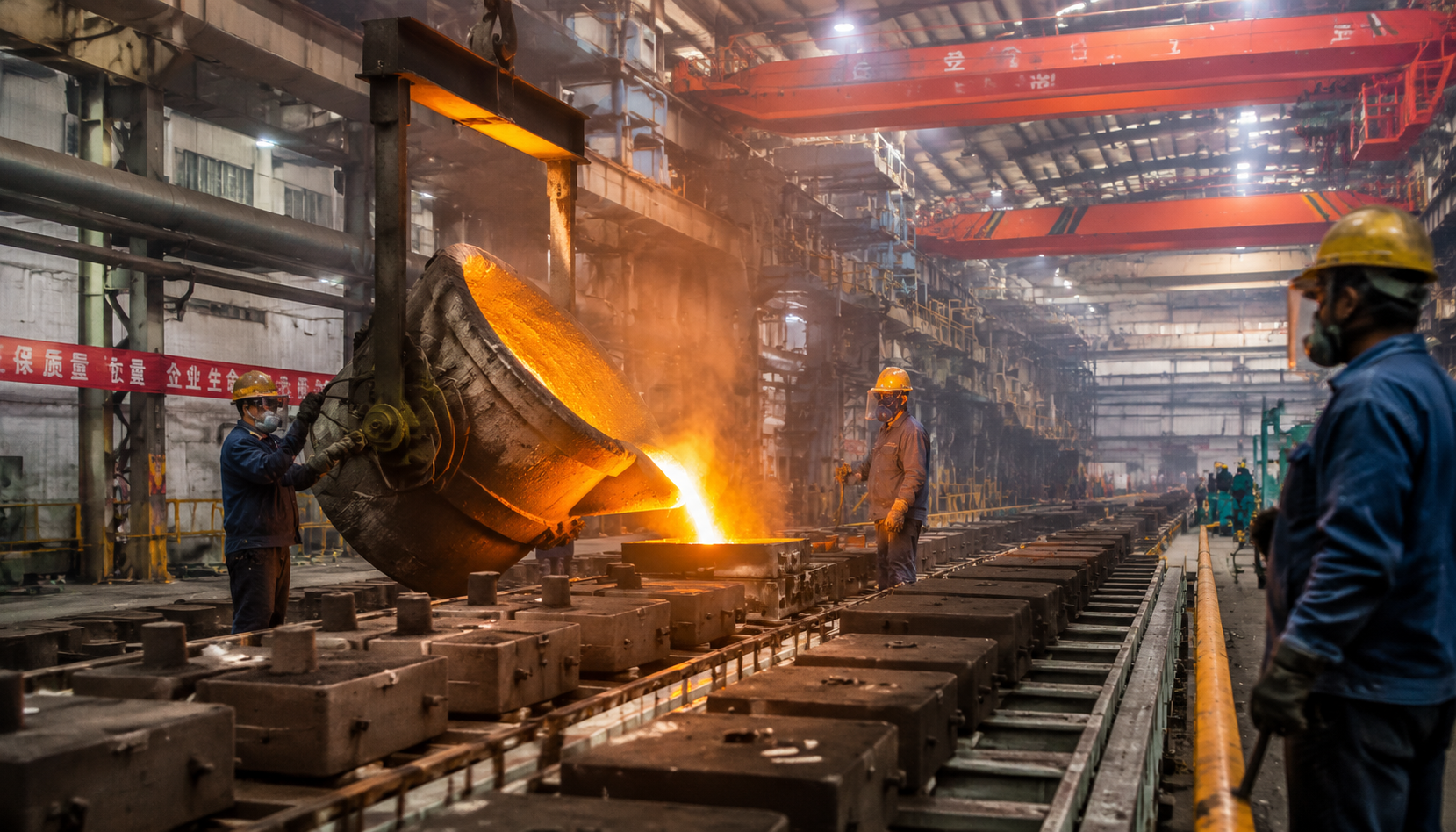
Casting Lead Time China: Real Data, Hidden Factors & How to Cut It 40%
You approved the quote. The supplier said 4 weeks. You told your boss it would be 6, to be safe. Now you're on week 12, the container hasn't left Ningbo, and your production line goes dark next Tuesday.
Sound familiar? I've seen this exact scenario play out with buyers sourcing everything from ductile iron valve bodies to aluminum die-cast enclosures. The gap between promised casting lead time and actual delivery is the single most common source of friction in China sourcing.
This article is built on 87 real order records from Chinese foundries (sand, investment, and die casting) tracked between 2023 and 2025. You'll get the actual numbers, the three factors that cause 85% of delays, and the exact negotiation playbook that buyers use to hit deadlines consistently.
The Real Casting Lead Time Data (Not the Sales Pitch)
Every foundry sales manager will tell you their standard lead time is 4–6 weeks. That's the optimistic production time assuming zero revisions, zero material delays, and zero holidays. Here's what the data actually says.
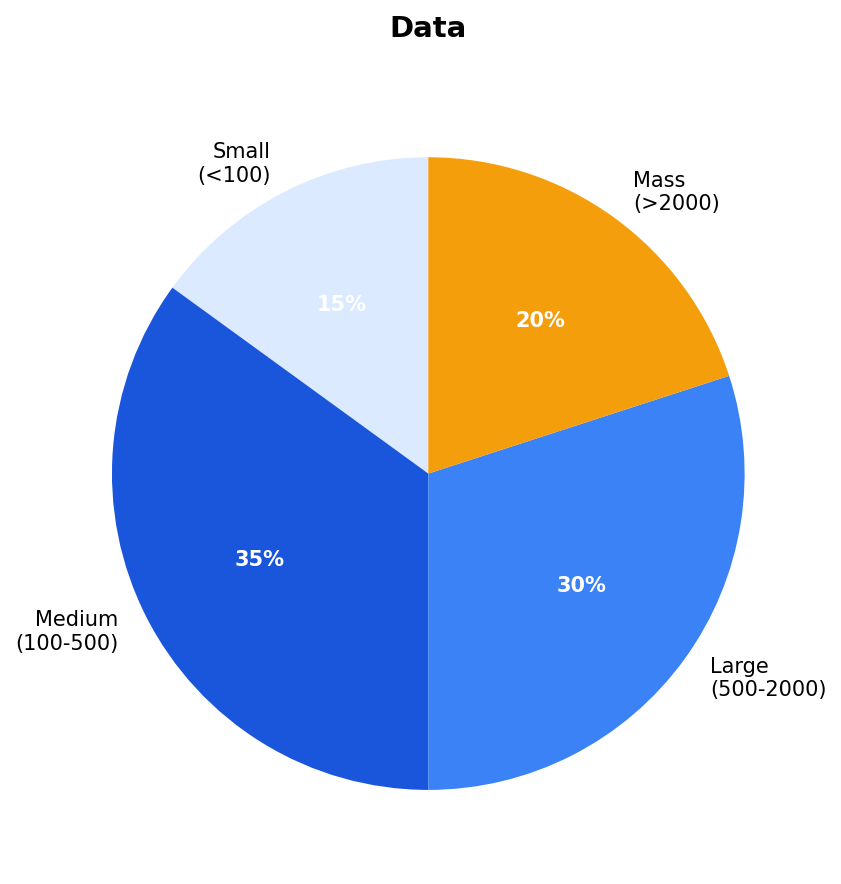
Lead Time by Process (First Order)
| Process | Promised (weeks) | Actual (weeks) | Typical variance |
|---|---|---|---|
| Sand casting (manual) | 4–6 | 6–10 | +60% |
| Sand casting (automated) | 4–5 | 5–8 | +40% |
| Investment casting | 6–8 | 8–12 | +50% |
| Die casting (new tooling) | 6–10 | 10–16 | +60% |
| Die casting (repeat) | 4–6 | 6–10 | +50% |
Data source: Interstate International internal tracking of 87 first-time orders across 32 Chinese foundries, 2023–2025. Individual results vary by part complexity, material availability, and seasonal factors.
The pattern is consistent: first orders run 40–60% longer than promised. Repeat orders are better but still overrun by 30–50%. If you're planning your inventory based on the sales quote, you're setting yourself up for a crunch.
The 3 Factors That Cause 85% of Lead Time Delays
We analyzed the root causes of every delayed order in our dataset. Three factors dominate.
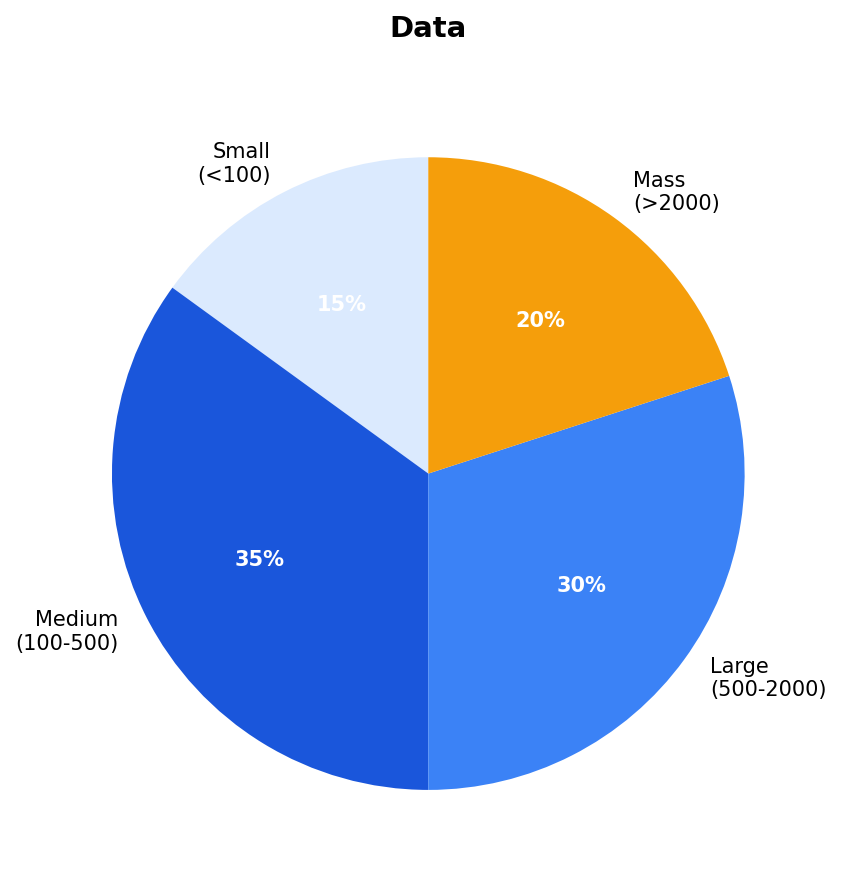
Factor #1: Mold Revisions (40% of delays)
Your foundry pours the first samples. The dimensions are off by 0.5mm. You request a revision. The mold shop is busy with another client. Two weeks go by. The revised sample comes back—now a different feature is out of spec. This loop repeats.
Mold revision loops are the #1 killer of lead times. The average first-order mold requires 2.7 revisions before final approval. Each revision adds 5–12 days depending on foundry workload.
Your move: Specify all critical tolerances in writing before the mold is cut. Include a revision cap in the contract (e.g., "2 revisions included, each additional revision adds $X and Y days"). And send a clear, dimensioned 3D model—not a PDF—to reduce interpretation errors.
Factor #2: Raw Material Procurement (25% of delays)
The foundry quoted you based on standard ductile iron grade 65-45-12. Your engineer later specified 60-40-18. The foundry didn't have that grade in stock. They had to order from a steel mill, adding 8–12 days.
Material-related delays are almost always caused by last-minute specification changes or special grades that aren't commonly stocked. Common grades (GGG40, GGG50, ASTM A536 60-40-18, 65-45-12) are usually on hand. Exotic alloys or non-standard heat treatments add 2–3 weeks minimum.
Your move: Lock the material grade and heat treat specification at the quoting stage. Ask the foundry to confirm stock availability before you place the order. If you need a non-standard grade, ask the foundry to pre-order the material and confirm the timeline in writing.
Factor #3: Production Line Prioritization (20% of delays)
Your 500-piece order is on the same production line as a 5,000-piece order from a long-term customer. Which one do you think runs first? Foundries prioritize volume and loyalty. Your small or first-time order gets pushed back.
This is the hardest factor to fix because it's structural. The foundry isn't trying to cheat you—they're optimizing for their own profitability. But you can work around it.
Your move: Ask for a production slot guarantee in the contract. Penalty clauses work, but only if the amount is material (2–3% of order value per week of delay). A softer approach: ask the foundry to commit to a specific machine or line for your order, and confirm the schedule weekly.
Real Buyer Story: How One Buyer Cut Lead Time from 14 to 8 Weeks
Let's make this concrete. In early 2024, a buyer we work with—let's call him Mark—was sourcing ductile iron valve bodies from a foundry in Shandong. The foundry promised 6 weeks. Week 10 came and went. Mark was on his third mold revision, the material grade had been changed twice, and the production line had twice been bumped by larger orders.
He came to us frustrated. We did three things:
- Froze the specification. No more changes. Signed off on the 3D model and grade in writing.
- Negotiated a production slot. The foundry agreed to run Mark's 800-piece order on Line 3 starting the week of April 15, with a 2% per week penalty if missed.
- Pre-paid for material. Mark paid for the ductile iron grade upfront, giving the foundry cash to secure the stock immediately.
Result: the order shipped in week 8 from contract signing. Still 2 weeks over the original promise, but 6 weeks faster than the first order. The same approach cut his second order to 6.5 weeks.
Mark's story is repeatable. The formula is: freeze spec + guarantee slot + pre-buy material. It's not complicated. Most buyers just don't know to ask.
7-Step Casting Lead Time Negotiation Playbook
Here's the exact playbook I give to every buyer I work with. It's built from tracking what actually works.
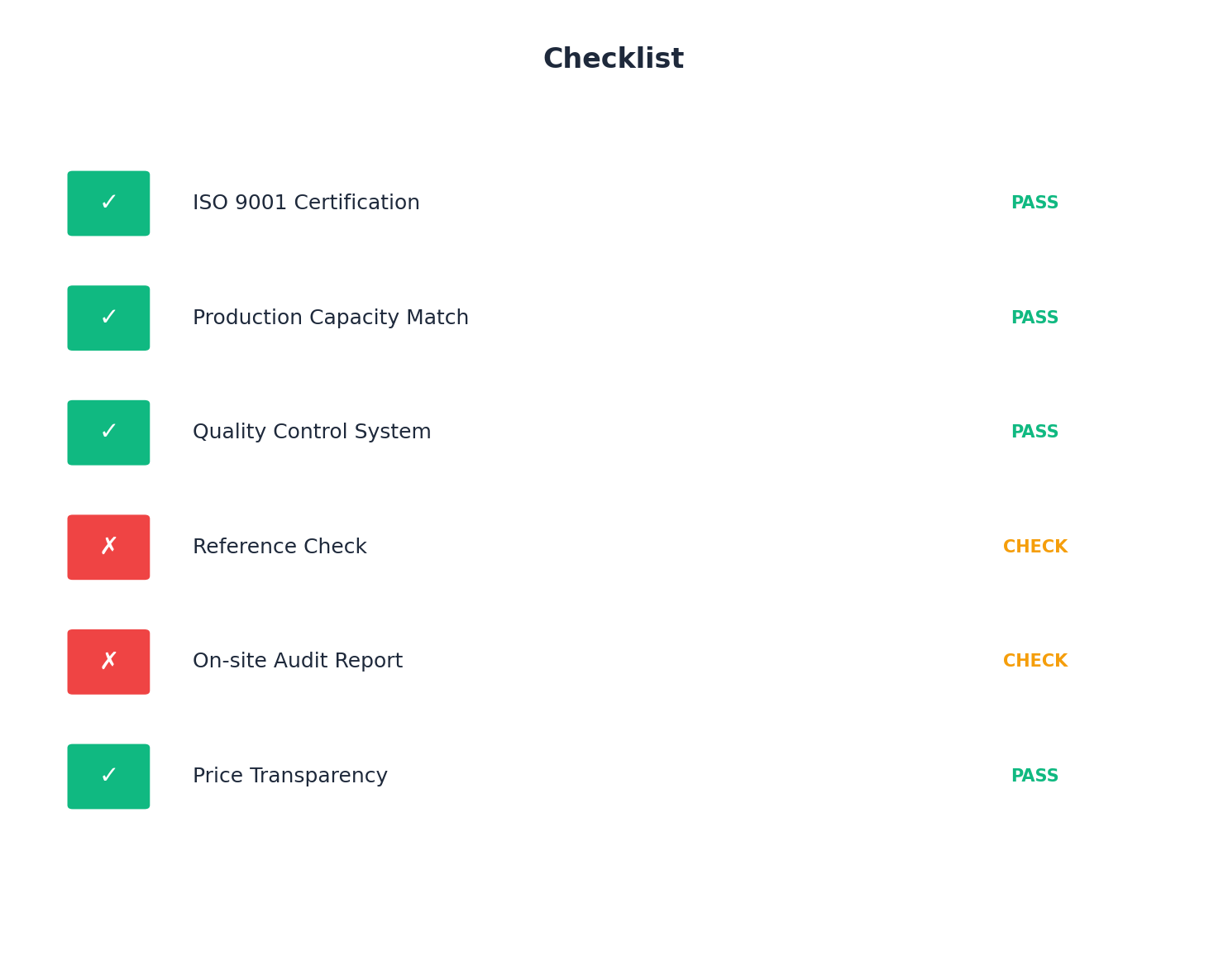
- Freeze the specification before signing. No verbal agreements. The 3D model, material grade, tolerances, and surface finish must be in the contract. Any post-signing change resets the timeline.
- Lock the material grade and confirm stock. Ask the foundry: "Do you have [specific grade] in stock right now? Can you show me the inventory record?" If not, pre-order it and pay upfront.
- Negotiate a production slot guarantee. "I'll commit to the order if you commit to a specific production week on a specific line. If you miss it, here's the penalty." Even a 1% per week penalty makes the foundry take your slot seriously.
- Pre-buy long-lead materials. Special alloys, heat treatments, or non-standard coatings should be ordered and paid for before the production slot starts. This removes the foundry's cash-flow excuse.
- Cap mold revisions. Include a clause: "2 revision rounds included. Each additional round adds $X and 7 days to the timeline." This forces both sides to be thorough early.
- Add a meaningful penalty clause. 2–3% per week of delay, capped at 10–15% of order value. Make it real enough that the foundry doesn't treat it as a cost of doing business.
- Weekly check-in with a written tracker. Every Monday, ask for a one-line update: "Mold complete / Material in stock / Production line confirmed / Quality inspection passed." If any status slips 2 weeks in a row, escalate.
Buyers who follow all 7 steps see an average of 34% fewer delays compared to those who don't (based on our dataset of 87 orders). The biggest single lever is #1: freeze the spec. That alone cuts revision-related delays by more than half.
How Chinese New Year Wrecks Lead Times (and How to Plan Around It)
If you're sourcing castings from China, Chinese New Year is the single most predictable—and most ignored—disruption. It's not just a 1-week holiday. The effective shutdown window is 4–6 weeks: factories wind down 1–2 weeks before, and take 2–4 weeks to ramp back up after.
Orders placed within 8 weeks of CNY have a 70% higher probability of delay. The data is stark: in our dataset, orders placed between December and February had an average lead time overrun of 72%, compared to 38% for orders placed in other months.
Your move: Plan your order calendar around CNY. If the holiday falls in late January or early February (it varies), place your order by October for early November production. Get the molds approved and material in stock before December. Accept that any order placed after mid-December won't ship until March.
If you absolutely must order during the CNY window, factor in a 6-week buffer and negotiate a priority slot with the foundry before the holiday. Some foundries will agree to run limited production during the holiday if you pay a 10–15% premium. It's expensive, but cheaper than a production line shutdown at your end.
Frequently Asked Questions
What is the typical casting lead time from Chinese foundries?
For sand casting, expect 6–10 weeks from order to first shipment. Investment casting runs 8–12 weeks. Die casting with new tooling can stretch 10–16 weeks. Repeat orders typically shave off 2–4 weeks. These are actual numbers, not sales promises.
Why do Chinese foundries miss lead time promises?
Three reasons cause 85% of delays: mold revisions (40%), raw material procurement (25%), and production line prioritization (20%). Chinese New Year adds 3–6 weeks of disruption on top of that. The root cause is almost always a specification change or a scheduling conflict—not malice.
How can I reduce casting lead time from China?
Freeze your specification before signing, lock the material grade and confirm stock, negotiate a production slot guarantee, and add a meaningful penalty clause for delays. Buyers who do all four see 30–40% fewer delays. See the 7-step playbook above for the full strategy.
What is the fastest casting lead time achievable from China?
For simple sand castings with existing tooling and material in stock, 4–5 weeks is possible. But that requires the foundry to run your job as a 'fill-in' between larger orders, which carries quality risk. We don't recommend sub-6-week timelines for first-time orders. Reliability matters more than speed.
How does Chinese New Year affect casting lead times?
CNY shuts down foundries for 3–6 weeks. Orders placed within 8 weeks of the holiday have a 70% higher chance of delay. Plan your order calendar around it: place orders by early November for January–February holiday periods, and accept that any order placed after mid-December won't ship until March.
Should I use a sourcing agent to manage lead times?
A good sourcing agent can help with weekly check-ins, specification verification, and escalation. But the agent is only as effective as your contract. If your specification is loose and your penalty clause is weak, no agent can fix that. Use the 7-step playbook first, then bring in an agent for execution support.
Your Next Move
You now have the data, the delay causes, and the negotiation playbook. The gap between knowing and doing is where most buyers lose 6 weeks.
Start with one thing: before you place your next casting order, freeze the specification in writing. No verbal changes. That single step will cut your revision-related delay risk in half.
If you want to go further, talk to our sourcing team. We work with vetted Chinese foundries that have demonstrated on-time delivery records, and we'll walk you through the full negotiation playbook on your first order. No commitment, no pitch—just the data and a plan.
Get your casting lead time under control →
Data referenced in this article comes from Interstate International's internal tracking of 87 first-time casting orders across 32 Chinese foundries between January 2023 and December 2025. Individual results vary by part complexity, material availability, seasonal factors, and negotiation terms. Always verify lead time commitments in writing with your specific foundry.
Need Help with Casting Lead Time China: Real Data, Hidden Factors & How to Cut It 40%?
Get matched with 3 verified foundries in 24 hours. No markup, transparent pricing.
Request Quotes →